

Puzzle Design
- Play online at here.
- Engine: Unity 2022.3.7f1
- Platform: Android
- Level Size: 6 levels w/ 22 sub-levels.
- Gameplay Time: 15~20 minutes.
- Team Size: 5
- Development Time: 9 weeks, ~75 hours.
Trailer
Summary
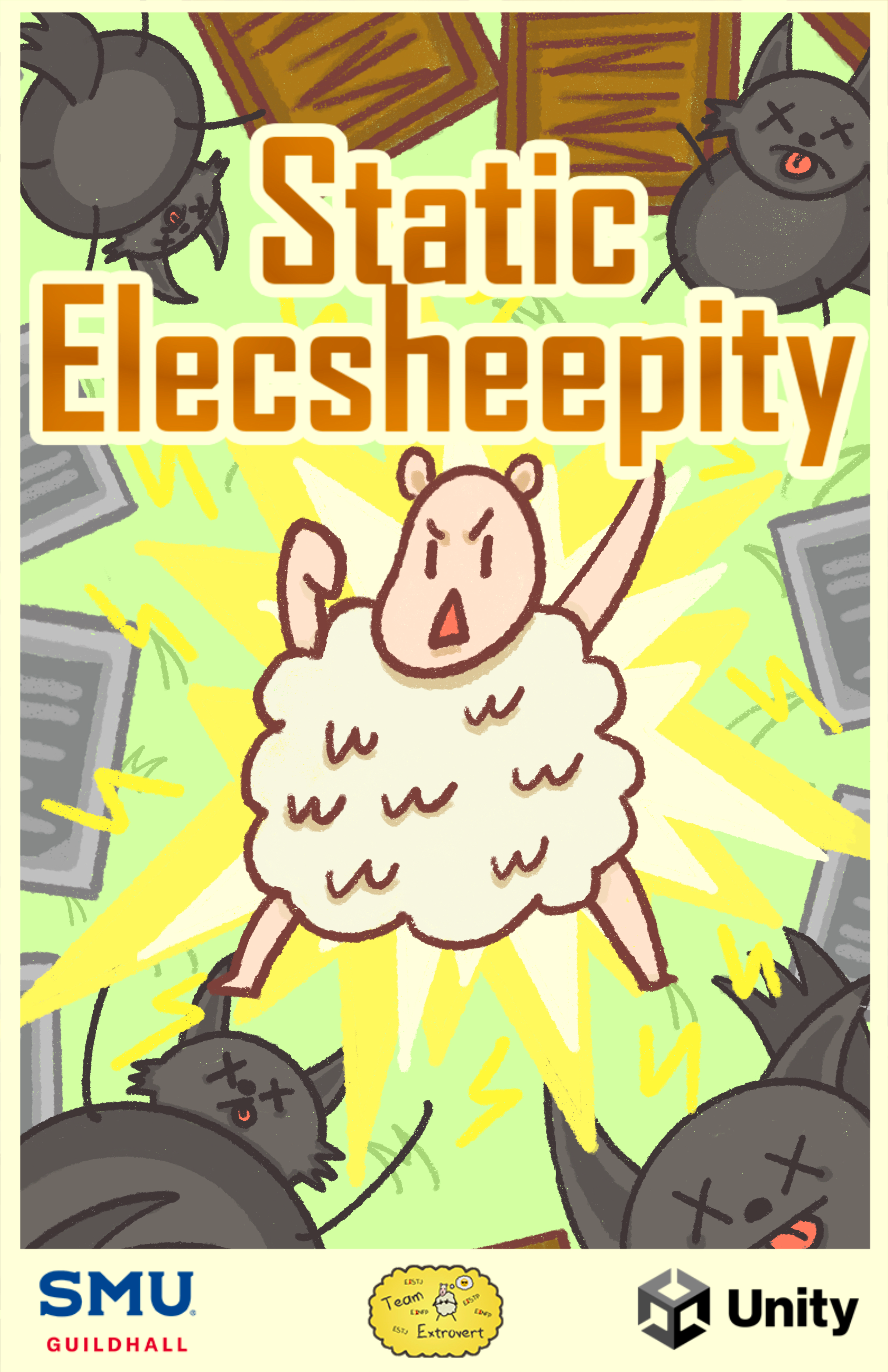
Static Elecsheepity is a two-dimensional top-down puzzle game for Android Tablet in which the player, plays as a sheep that uses its static electricity to fend off wolves attacking the farm. The player can think strategically to use as few shots as possible to finish the level and earn sheep stars.
Design Discussion
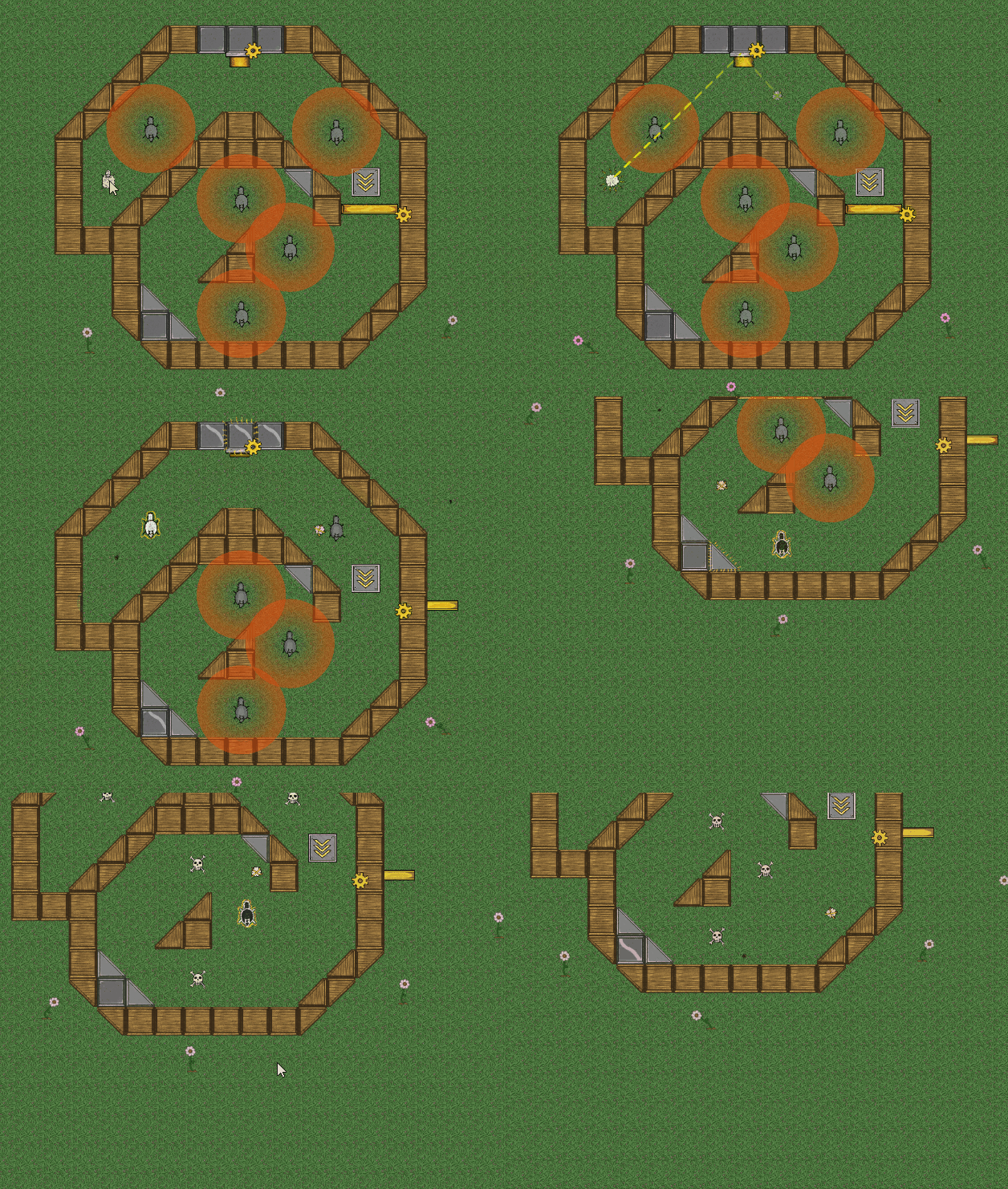
Level Iteration
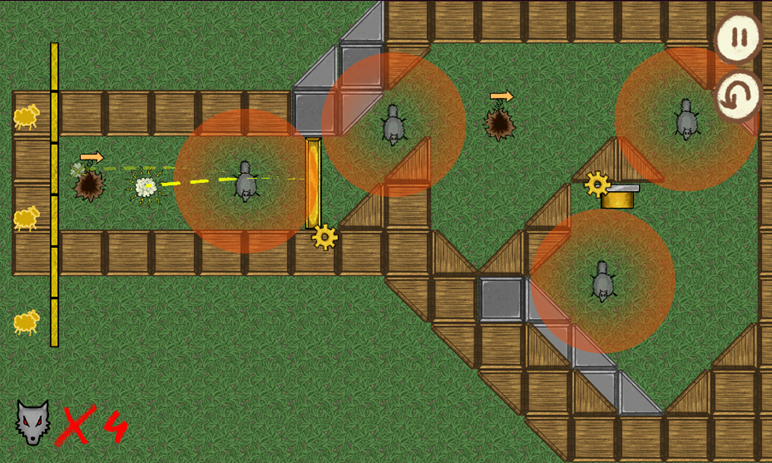
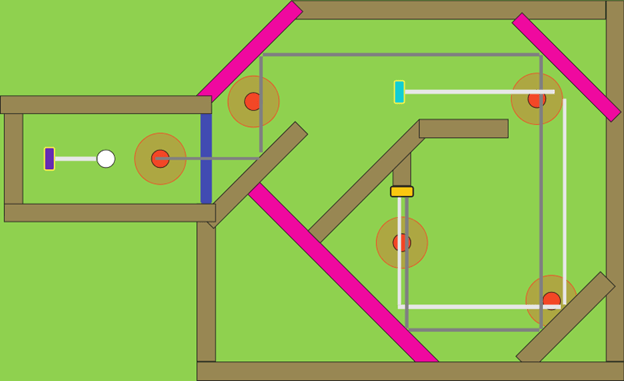
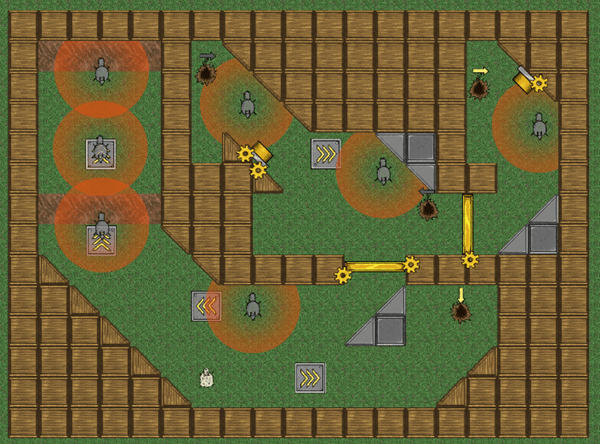
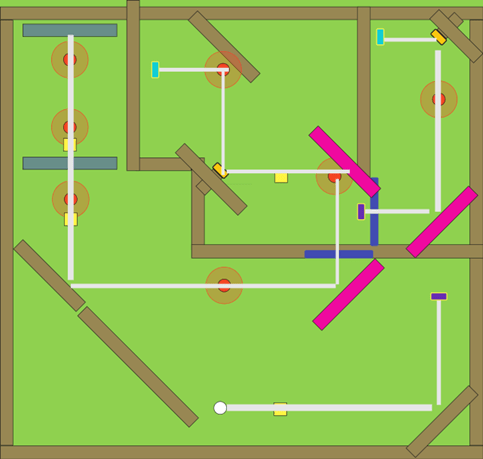
As the only designer in the team, all levels fell upon my shoulder. Having a completely empty stage to start with, I needed to figure out the game flow with intended mechanics on myself. At the beginning, my thought was limited by the example games from previous cohorts that only have six or so complicated levels and decided to do the same format of level layout by providing limited number of shots for players to shoot the sheep ball strategically.
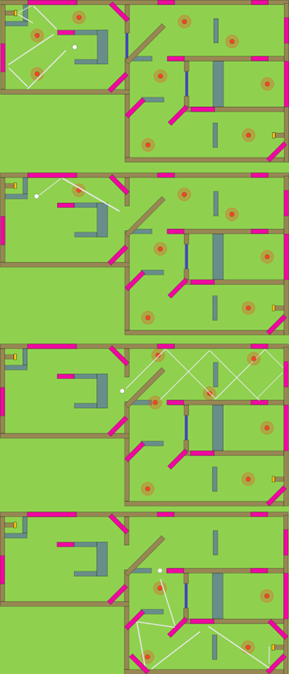
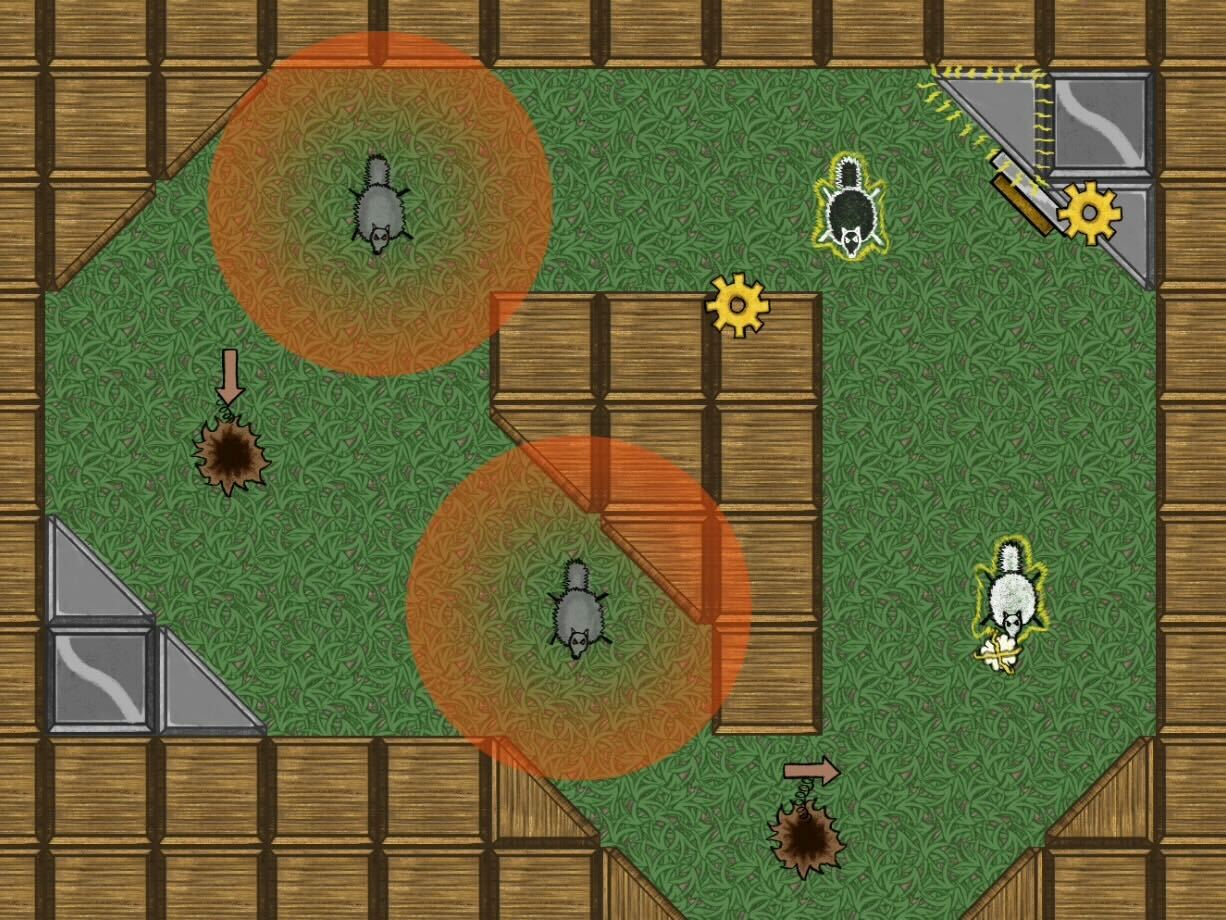
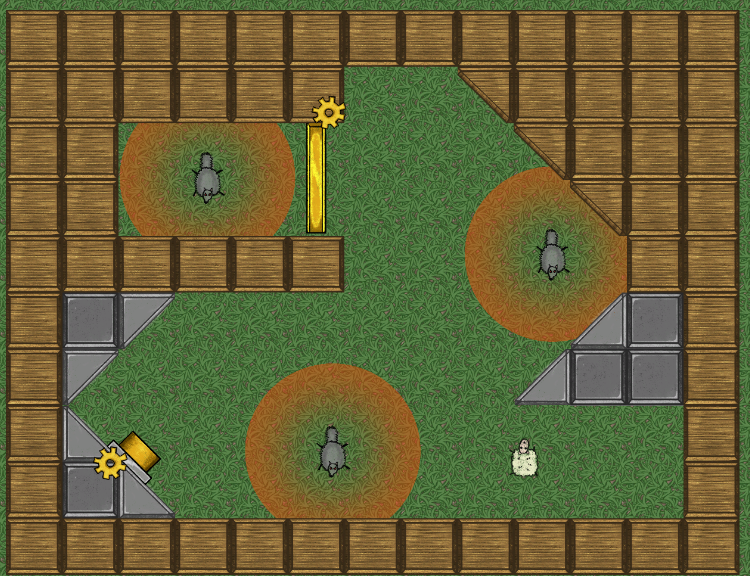
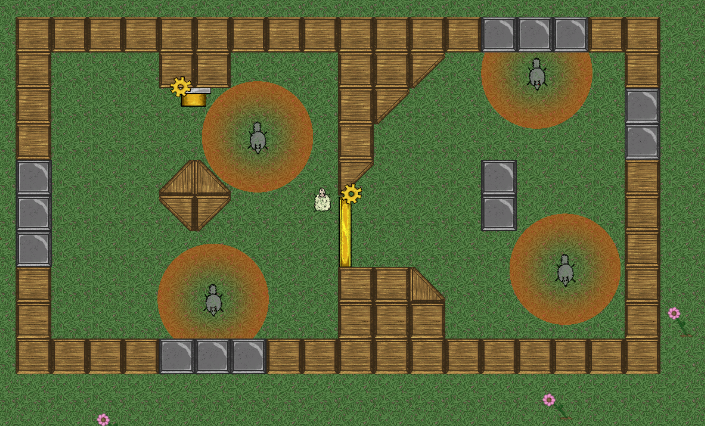
Later, during playtests my teammates and I found many designed shots ended up not in the intended position while people always have different strategies than the designer. And we concluded after discussion that designing smaller levels, which can be completed in one shot, would help to enlarge the fun and the sense of achievement. So, in the later milestone, I iterated the previous levels into smaller pieces. Also we changed the limited shots strategy to par system that provides less frustration for the player to exploring a better solution.
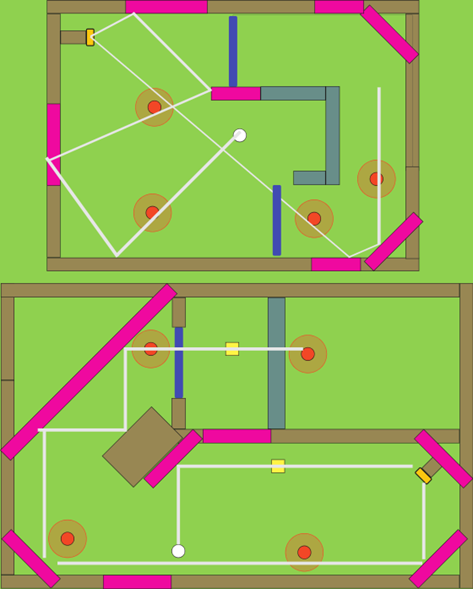
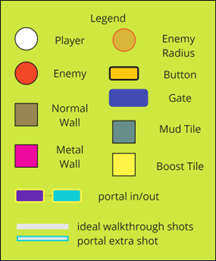
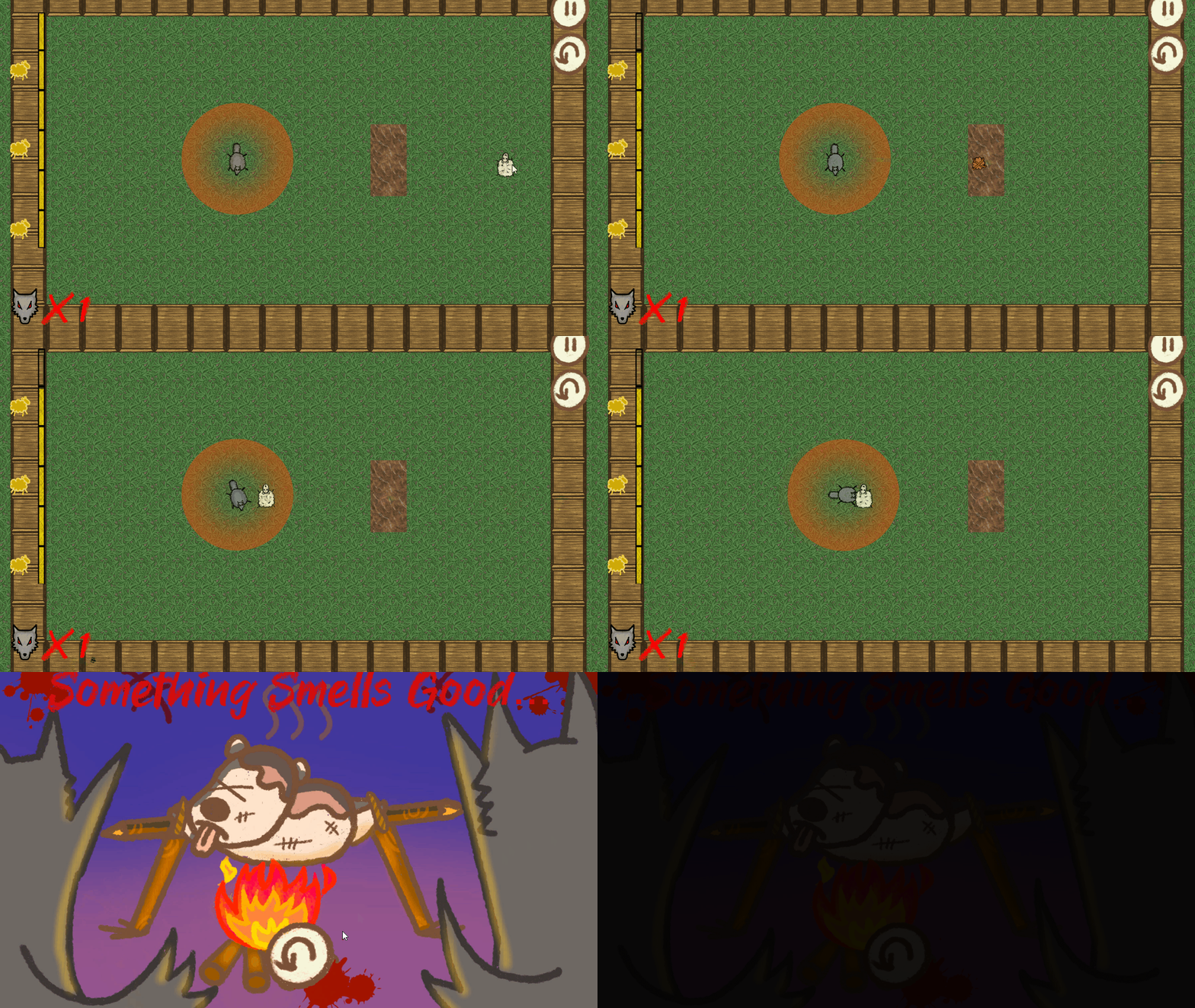
When it came to our new teleportal mechanics, the goal of designing levels one shot completable helped me anchored my design to include many backtracking bouncing, with careful adjustments with the tile positions and angles, which are demonstrated to providing a lot of fun to the players during our open beta playtest.
UI
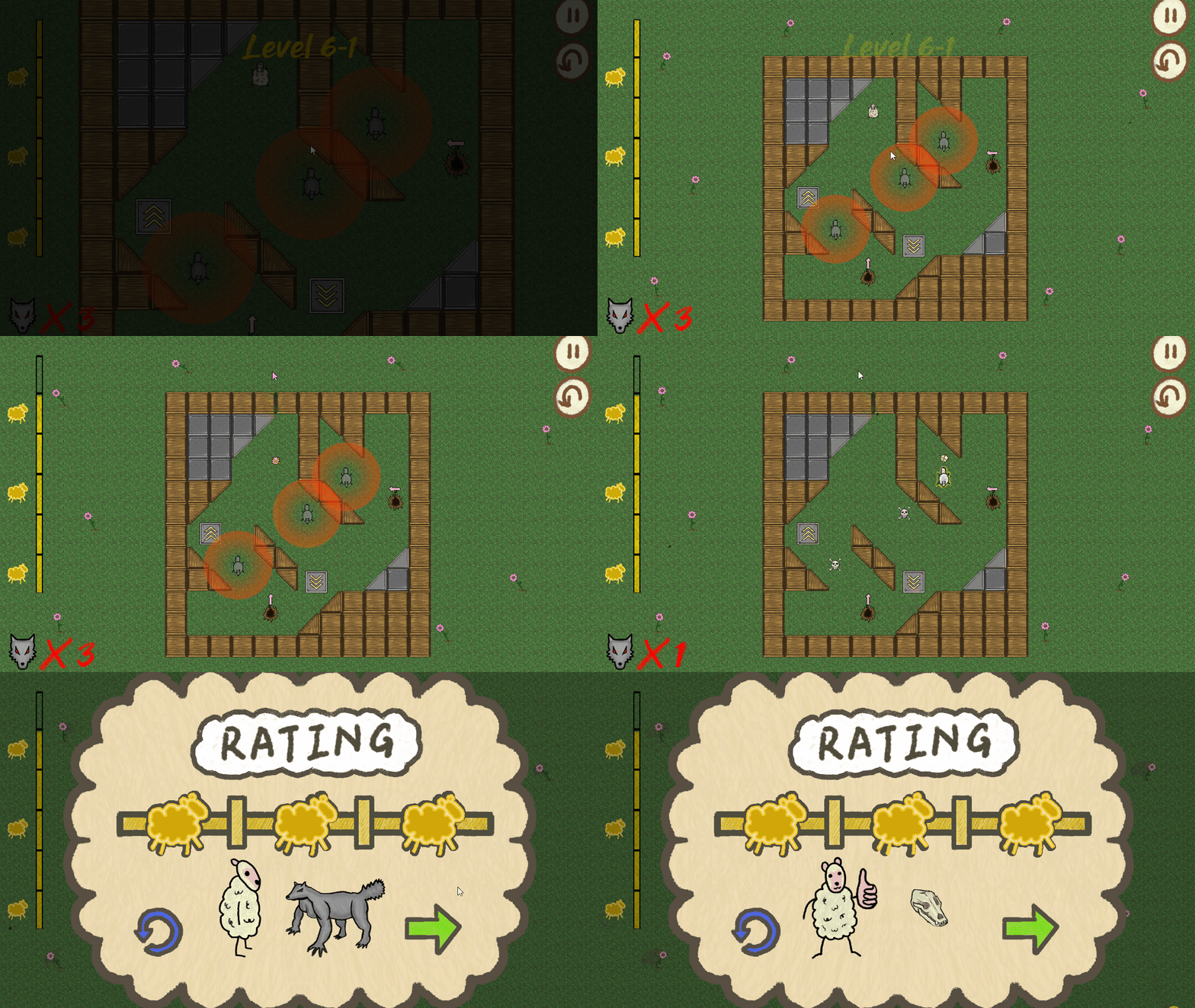
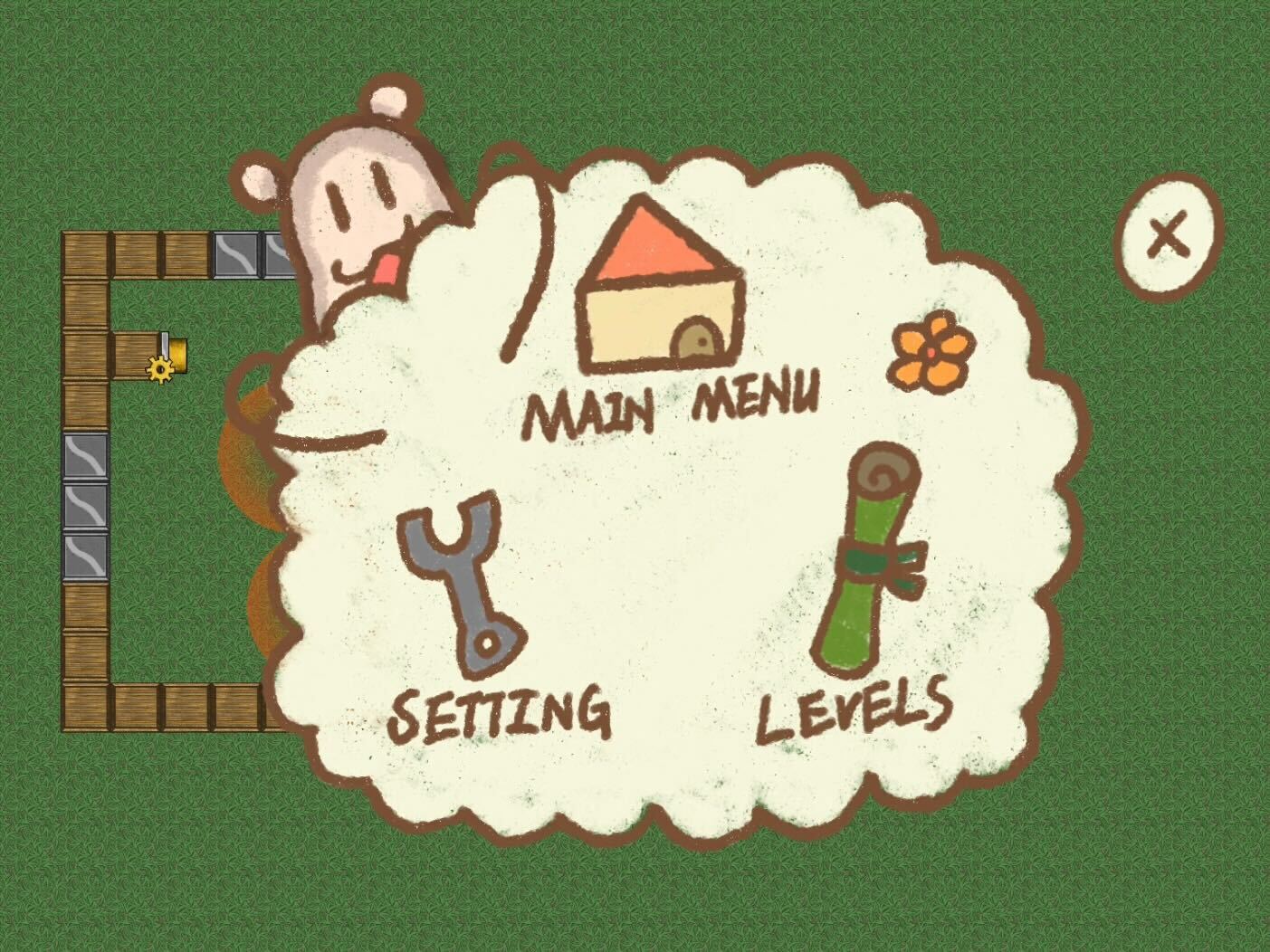
Besides the levels, I also contributed some ideas to our UI design: the cloudy layout of level-select screen and the par HUD.
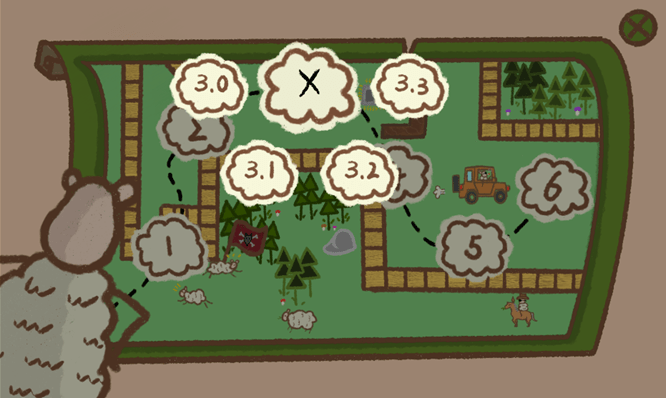
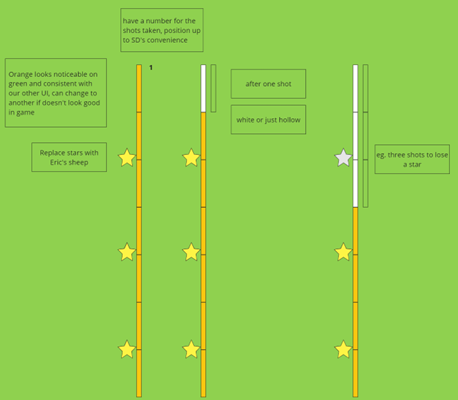
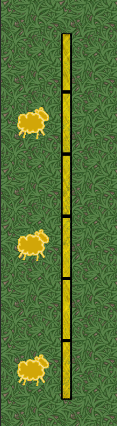
Figure 9: Par HUD Design Sketch and Final In-Game Version
Gallery
Levels
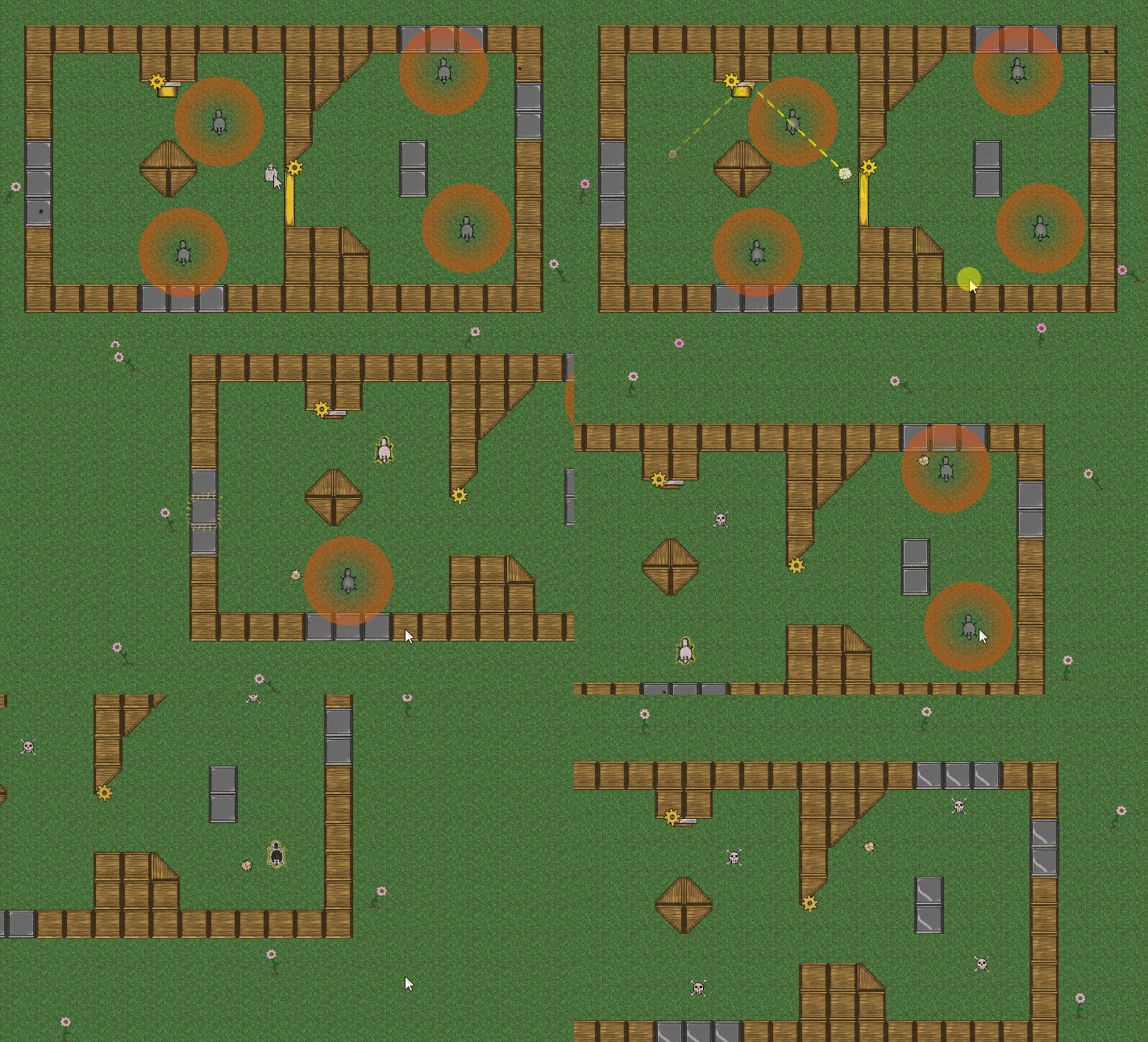
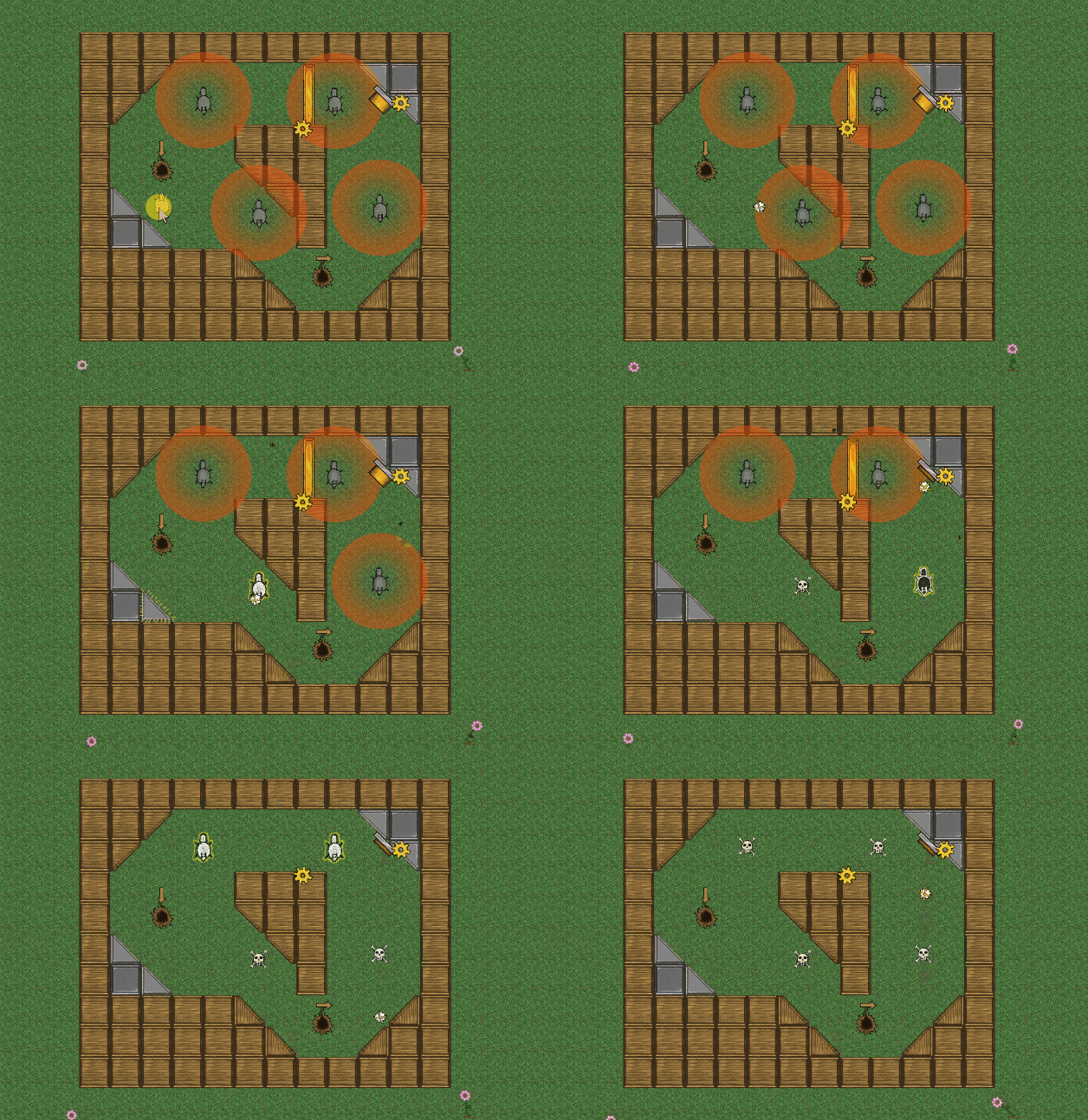
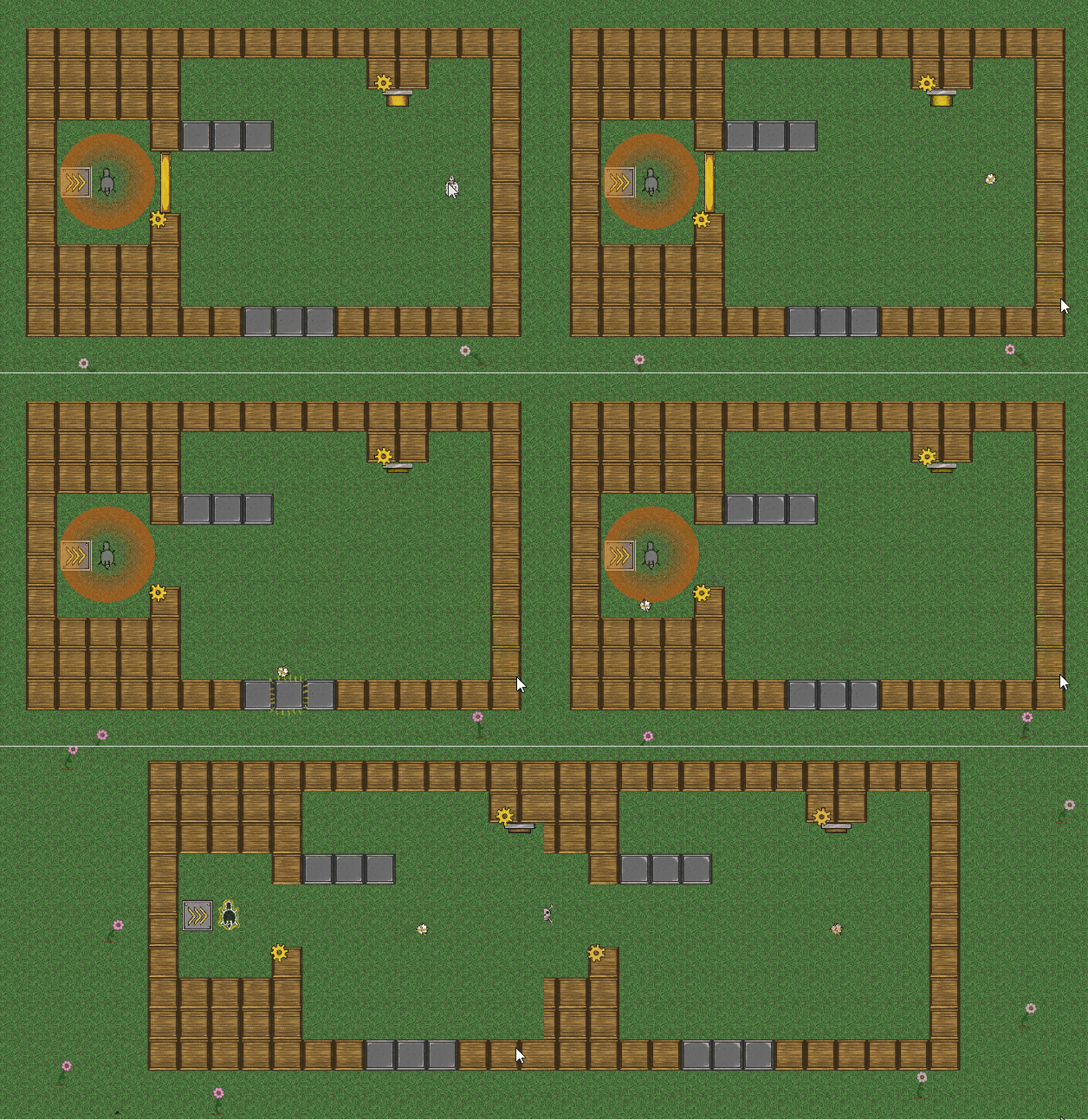
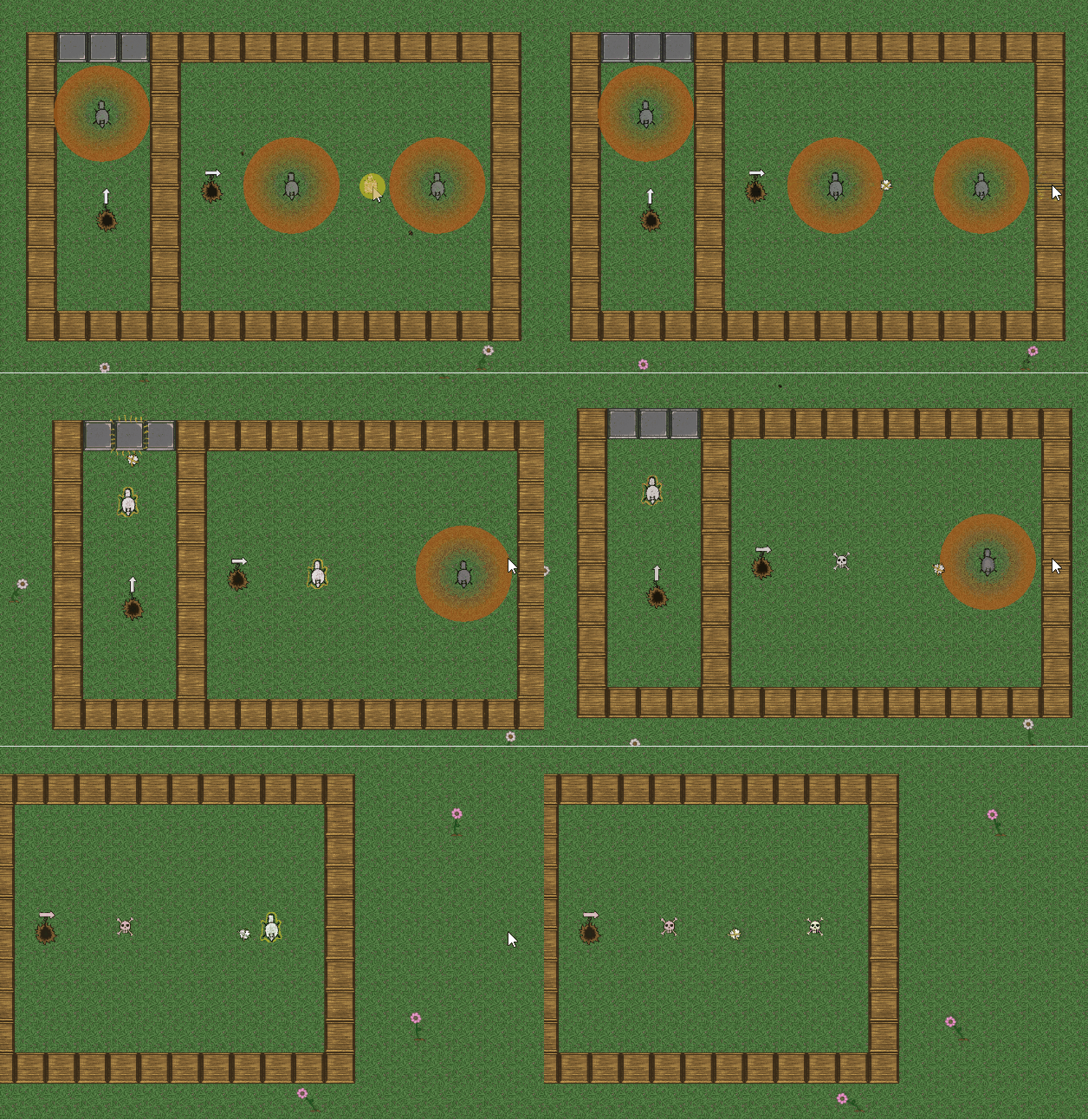
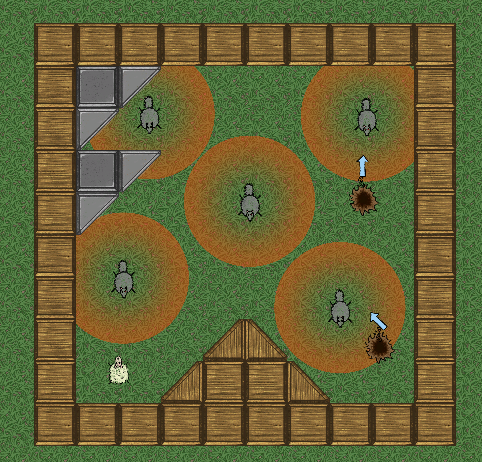
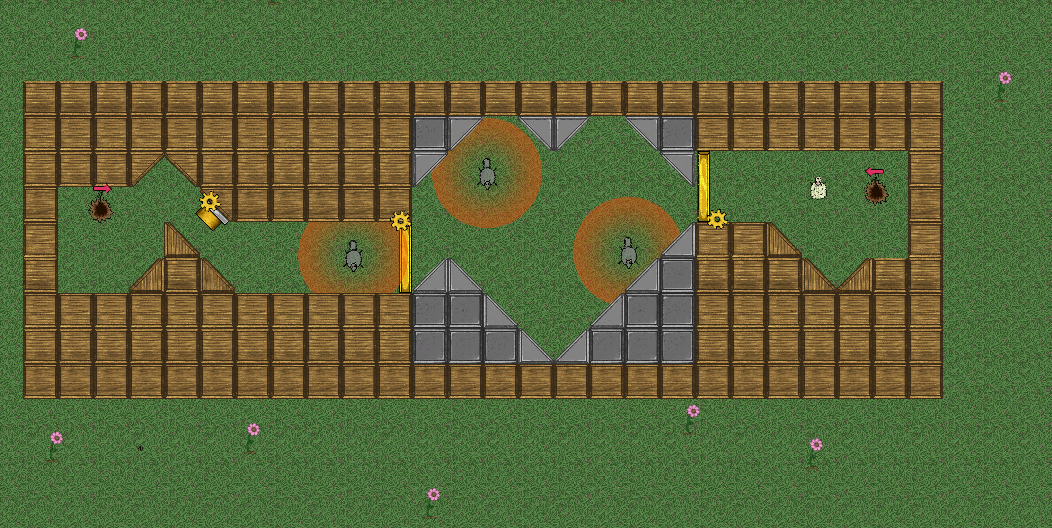
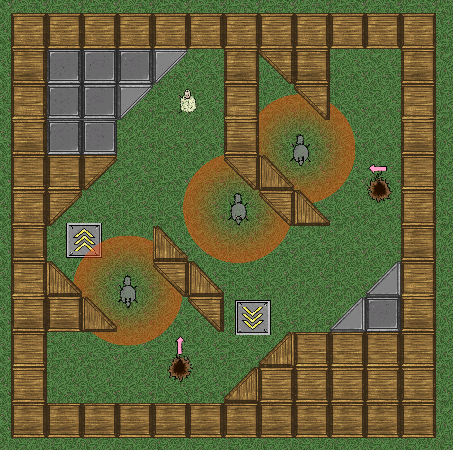
Art
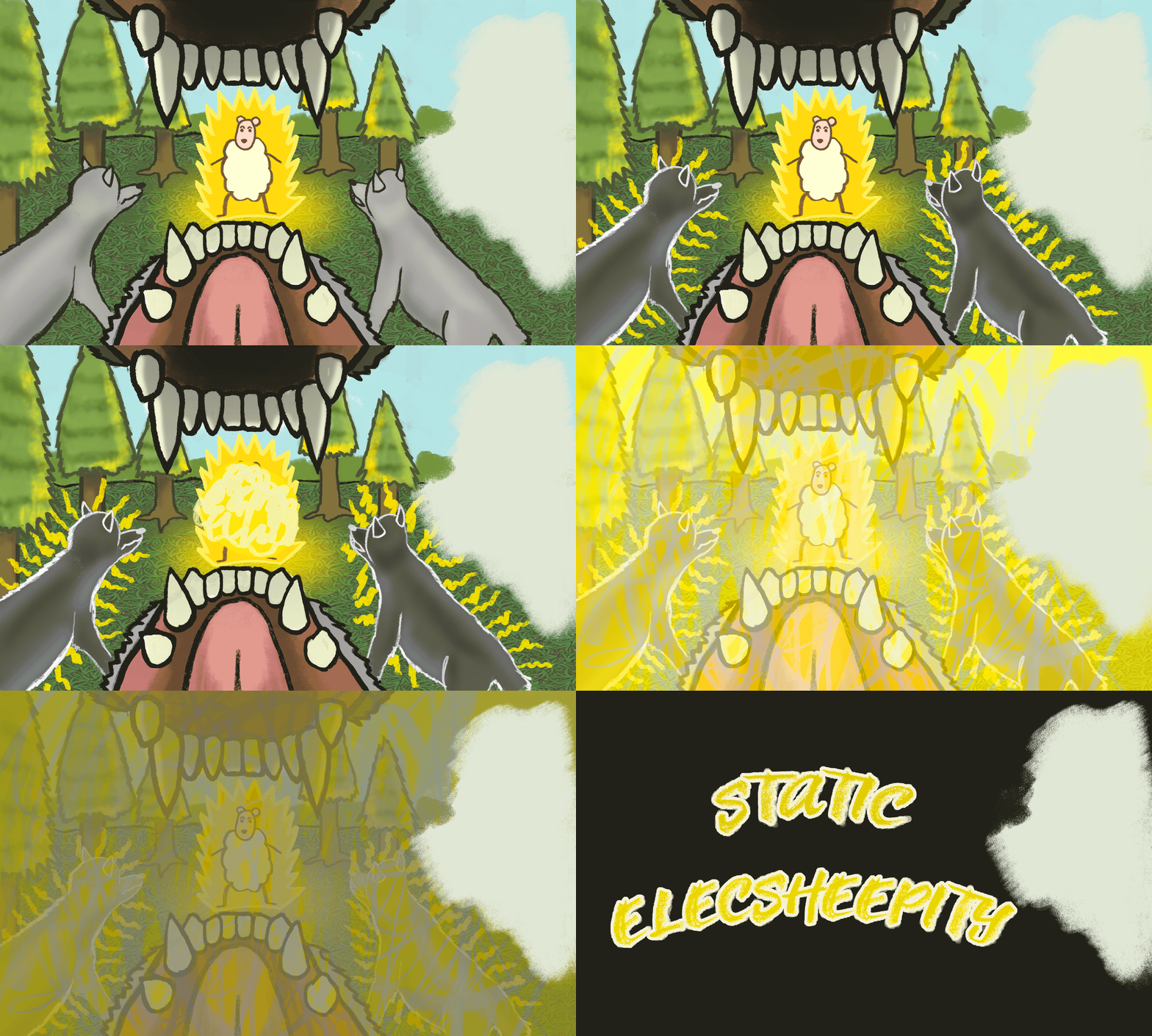
Postmortem
- What Went Well
- I served as the communication bridge in the team, helping people translate their ideas when they found themselves hard to explain clearly in the other language.
- I organized most of documentation and assignment-wise tasks, so that we can always track what’s left, and what should be done at what time. And tried to divide the work equally so that everyone has something to do instead of burdening someone.
- Being efficient on designing levels. As the only designer in the team, I got a huge burden on that, but tried hard during FP and alpha to get all the levels done, which is testified to be completable at last. Though planned for more but they got cut while maintaining at a reasonable length. Also, people confirmed that the levels are generally good.
- What Went Wrong
- There was kind of a quarrel between me and a teammate, which was at a time that I was busy working on something else and I insisted on not doing what he was requesting. I felt like I should be more patient along the way, though there’s important work to do at the moment, I should tell him that I’m busy can you just wait a second or something similar.
- I didn’t engage a lot during the mechanics conversation, the very first ones. I think it’s because I wasn’t familiar with my teammates at that time and I don’t feel comfortable speaking up too much and get to disturb other people’s ideas, especially when I wasn’t sure what I was thinking. I should probably think a bit more beforehand so that I can contribute more ideas or maybe just ask more questions on other people’s ideas to clarify my thinking along the way.
- Personally, I’ve got some hard time figuring out how to play with unity, like utilizing the stuff my teammates created. I believe I will be more familiar with unity later, and if run into similar conditions ask the programmers to help.
- What I Learned
- Don’t be scared to ask for clarification or talk early about some undetermined stuff thoroughly, it might bring up unexpected problems that could be important. Even if I’m not sure, other people could have ideas that trigger the final decision.
- Maintaining a good or even active atmosphere in the room always is hard, especially for an introvert team.
- Designers are crucial in a small team to determine for the mechanics what parameters are needed and what the related interactable should look like, and these should be communicated with the programmers and artists as early as possible once the vision is clear, or there could be extra work at late points that burdens people.
 Yuning "Anona" Yang
Leave a comment