
Narrative Exploration
- Tool: Unreal Engine 5.4
- Platform: PC, play on Steam
- Gameplay time: ~20 minutes
- Team Size: Individual
- Development time: 12 weeks
Walkthrough
Summary
The Falling Star is a first-person exploration and narrative-driven walking simulator, where the player takes on the role of a girl whose mother has recently passed away. Following her final wish, the player embarks on a journey to uncover the story of her missing aunt’s past. Through letters, memories, and reconstructed scenes, the player will get closer to a relative that the protagonist has never met and come to understand the emotions and choices hidden behind years of silence.
The game draws inspiration from What Remains of Edith Finch, exploring best practices in interactive presentation of emotional narrative while showcasing the designer’s technical implementation skills through Unreal Blueprints.
Play On STEAM
Press Kit
Youtube Player Playthrough
Immersive Narrative
Guiding Conveyance
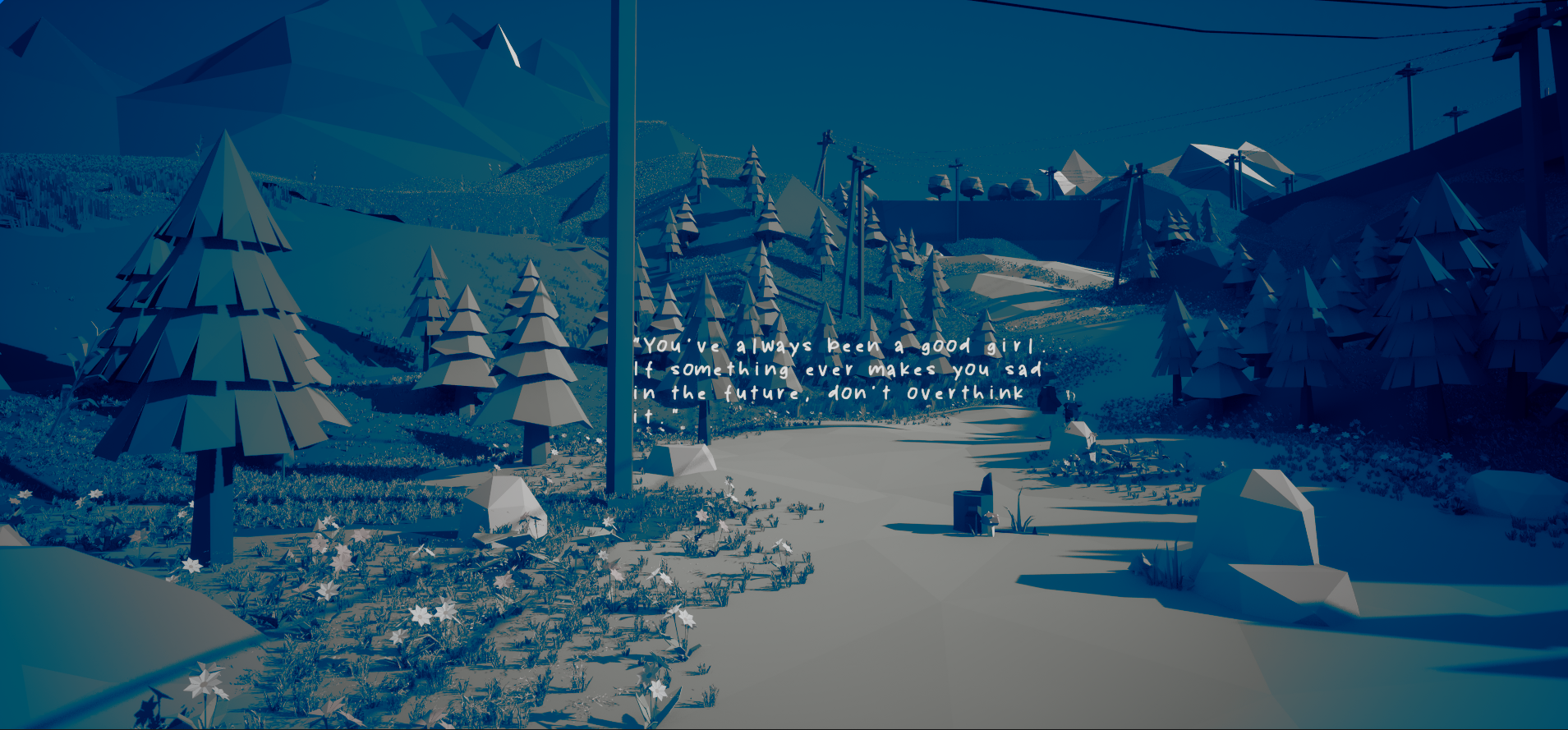
As in What Remains of Edith Finch, the text is thoughtfully positioned to seamlessly guide player movement, consistently appearing in locations that direct players toward their next goal. In the following video, the texts slowly guide the player to climb up the hill, following the NPC’s movements.
Technical Mechanic Breakdown
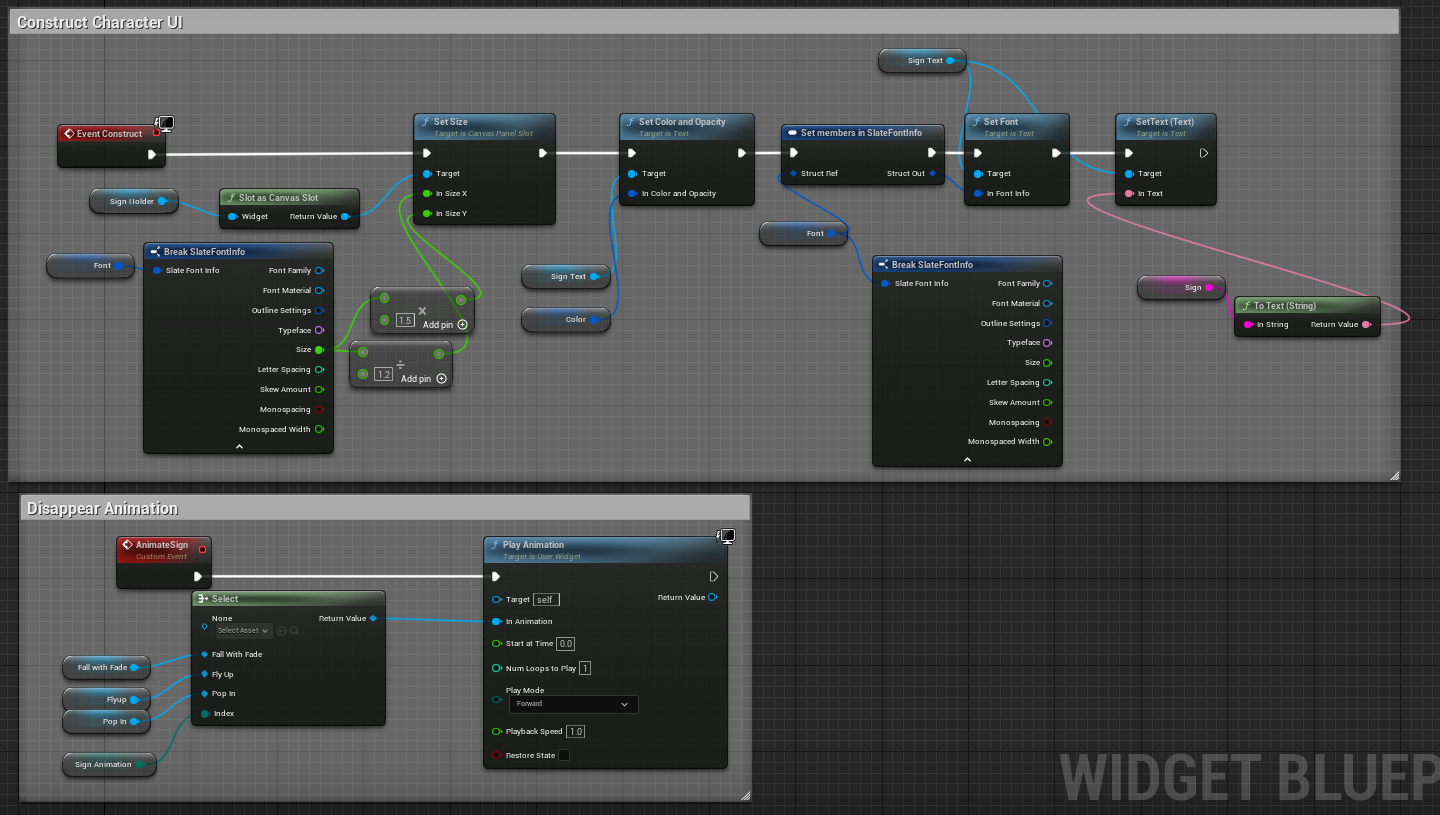
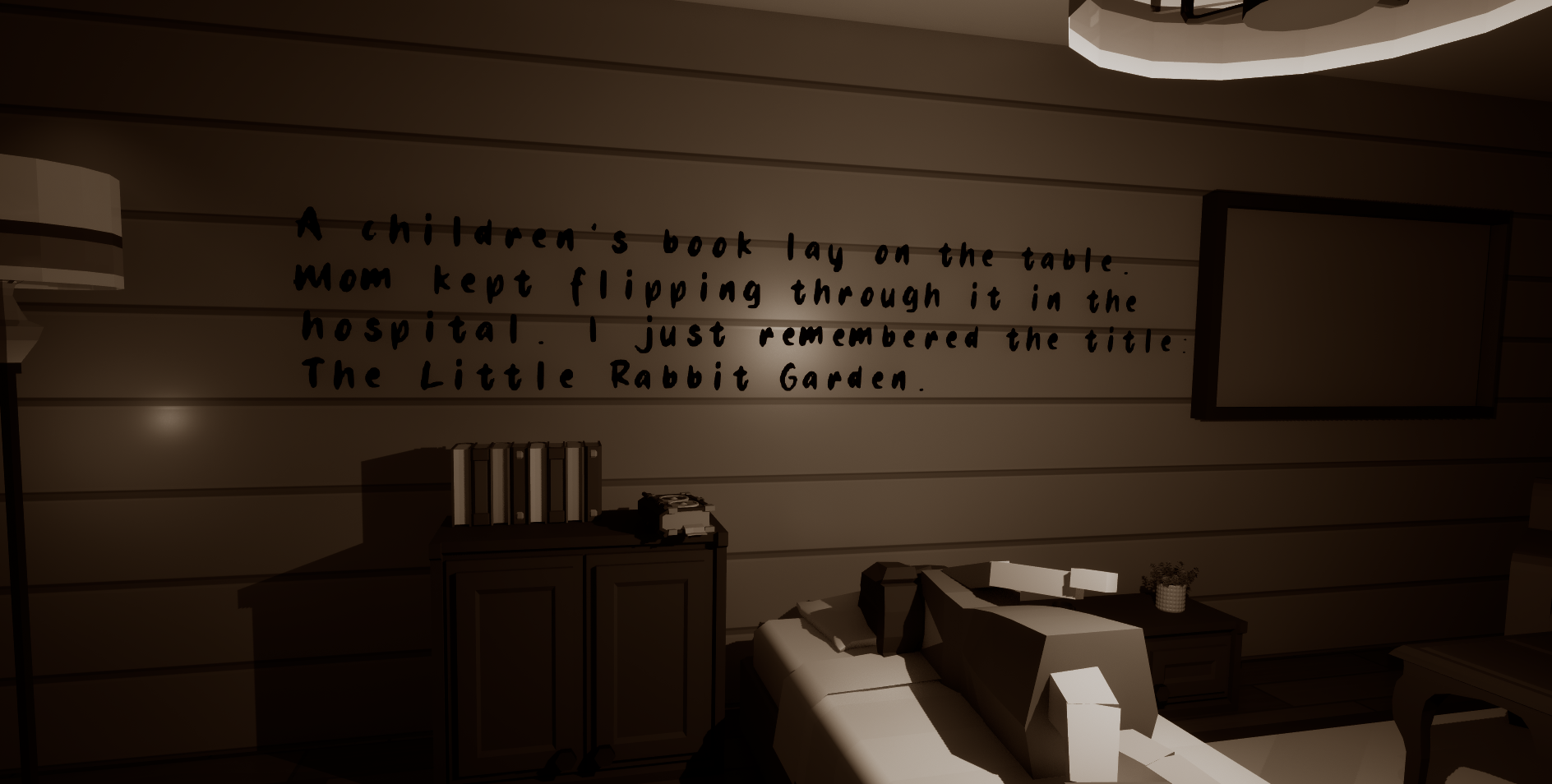
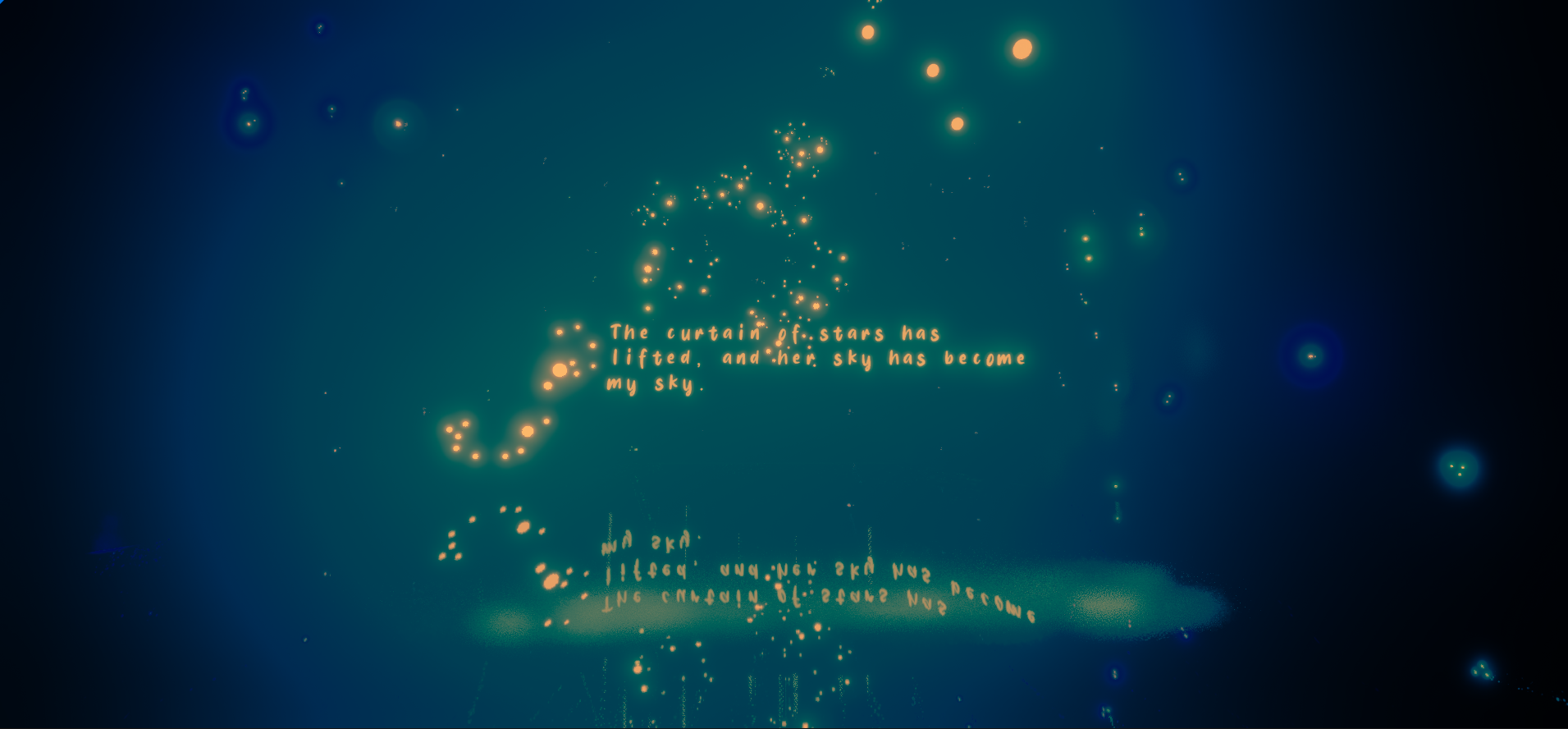
To create the effect of fading characters, I needed to construct a 3D UI with individual letters. I divided the process into the following steps:
- Construct Single-Letter UI – Generate UI elements for individual letters and add them to a paragraph list.
- Build the Paragraph UI Dynamically – Add each letter to the paragraph UI in a Grid component one by one while checking line length, determining when to start a new line.
- Apply Clear Animation – Play a fading animation on each letter UI for the desired effect.

Differentiated Implementation
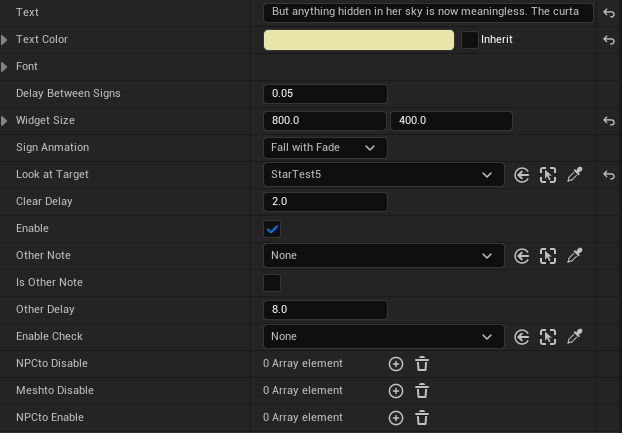
From the exposed properties in the note trigger, I can adjust text color, font, paragraph size, and animations to create varied visuals that align with different gameplay themes.
Later, I added properties such as fade delays, accompanying sound effects, and other features to smooth out the narrative timing and better support the gameplay experience.

Data Management
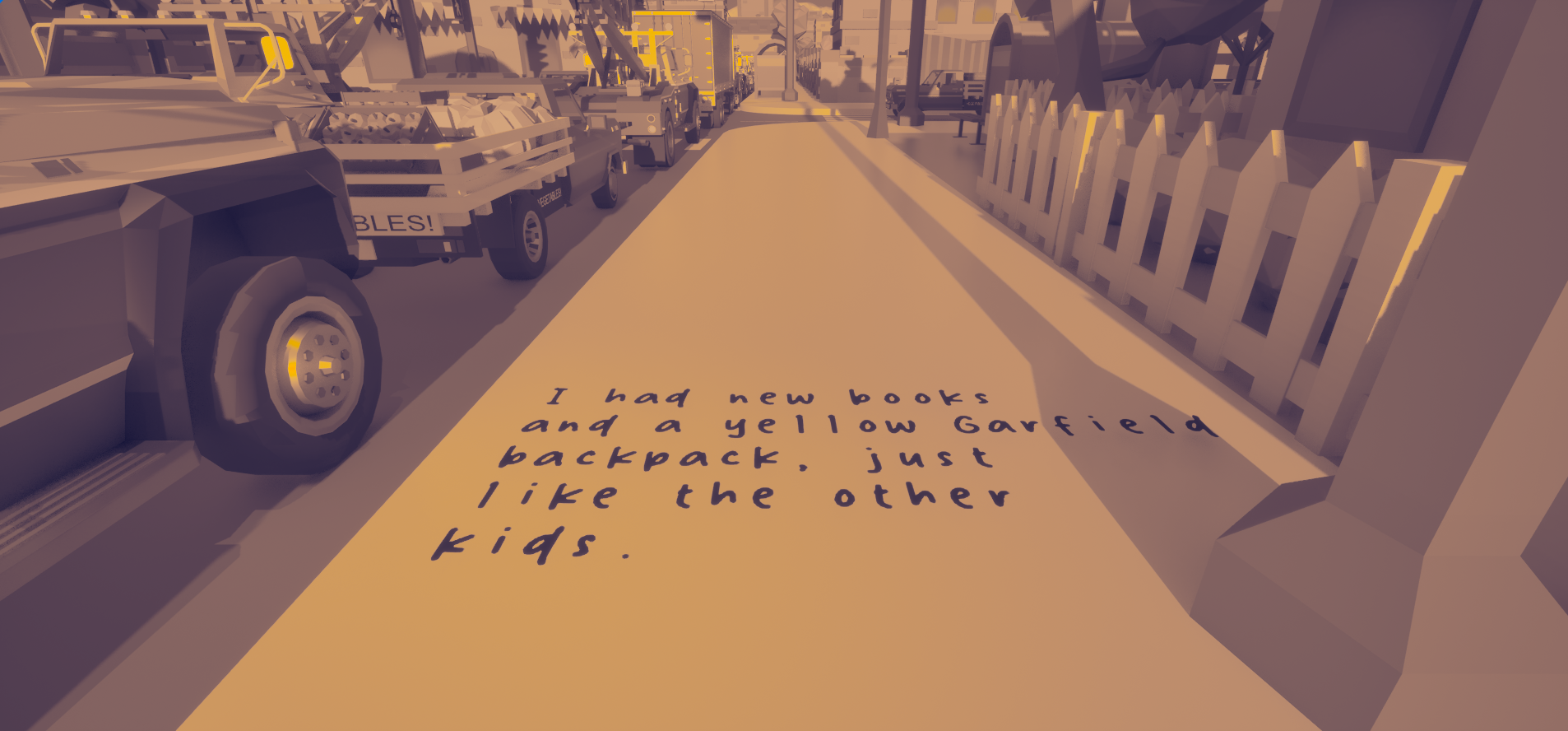
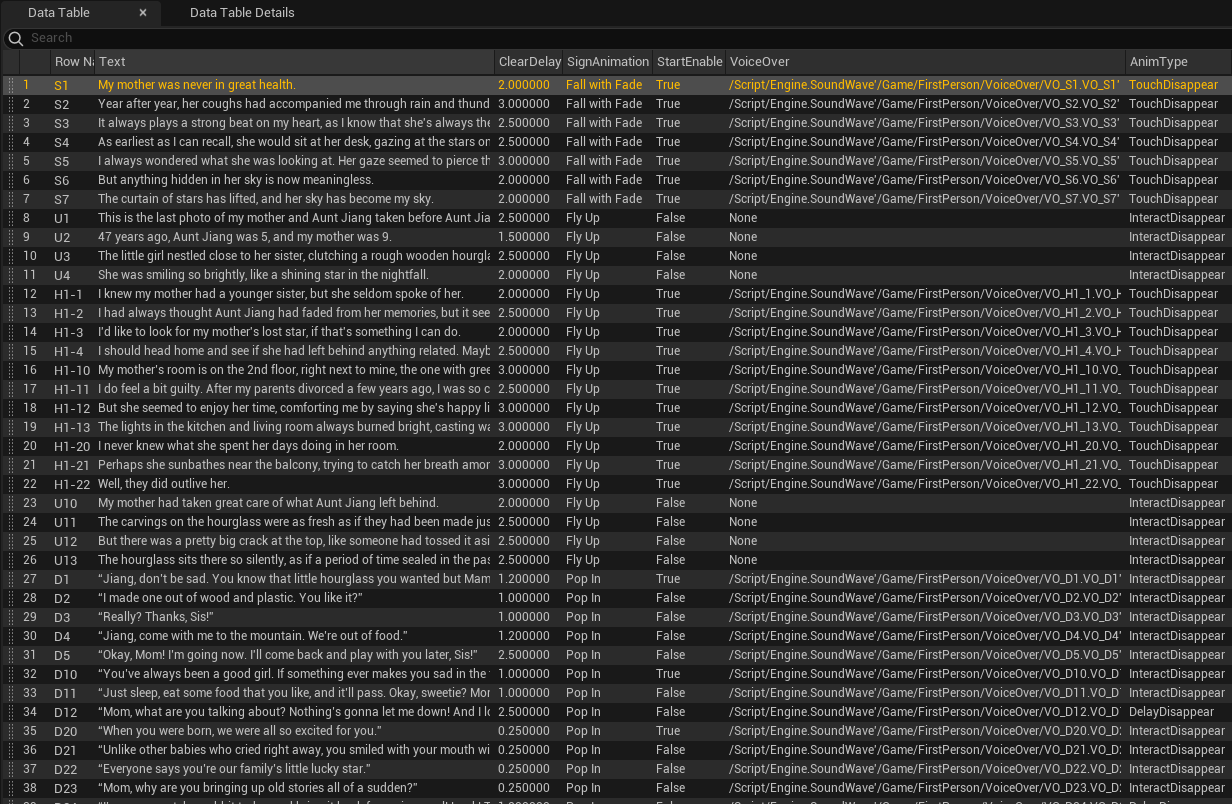
All the narrative lines are stored in a data table, including the actual line, row name (grouped into different sections according to their locations in the level), clear delay, text animation type, start status, voice-over file, and more.
Dreamlike World (Art Style)
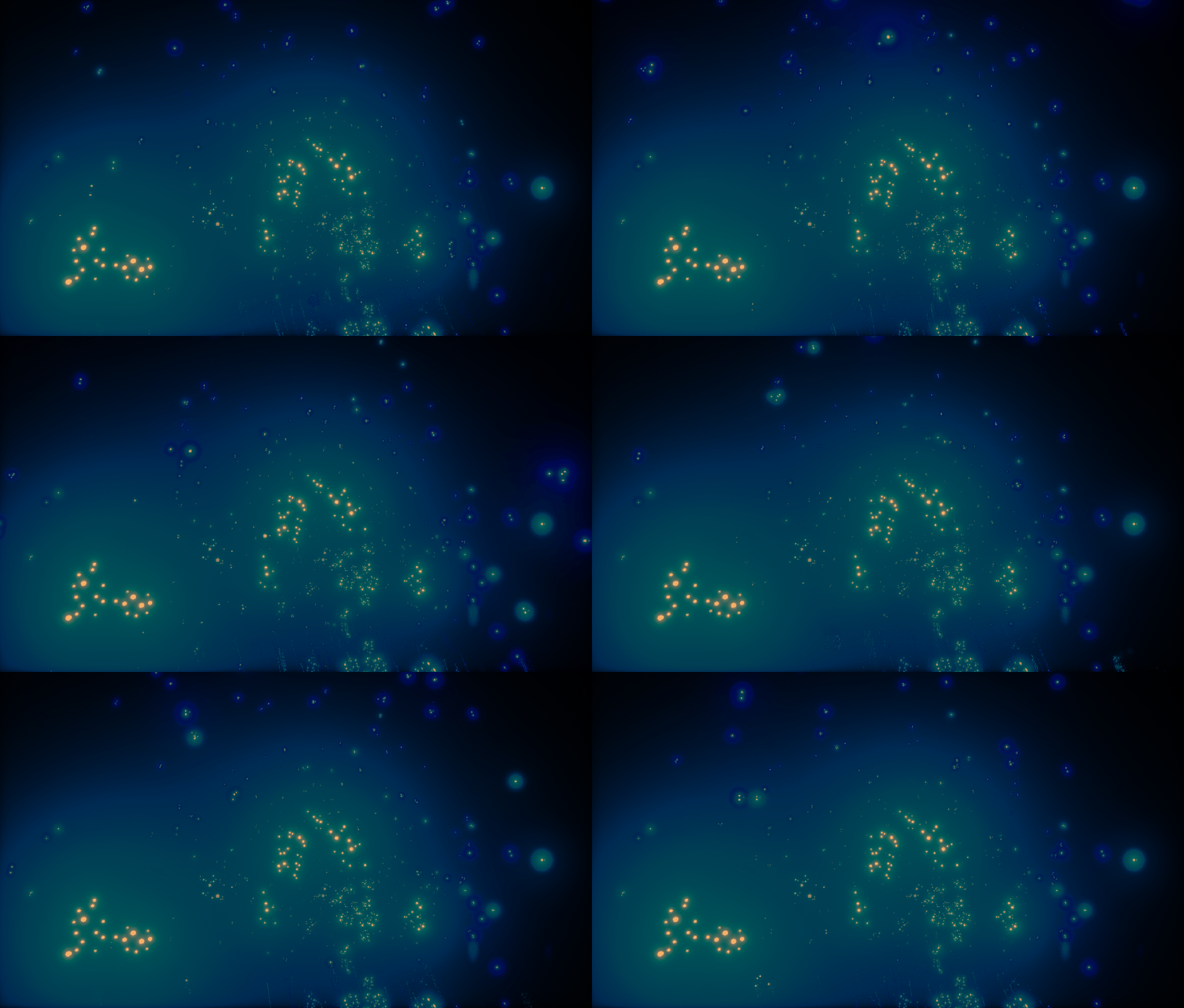
Since the entire game takes place within a dream, where the girl explores her family’s past, I wanted to convey that to the player right from the beginning. To achieve this, I created the Meteor Shower scene—symbolizing the protagonist’s journey into, and eventually out of, the dream world—while also helping to create an eventual ethereal feeling and style that defines the game’s tone.
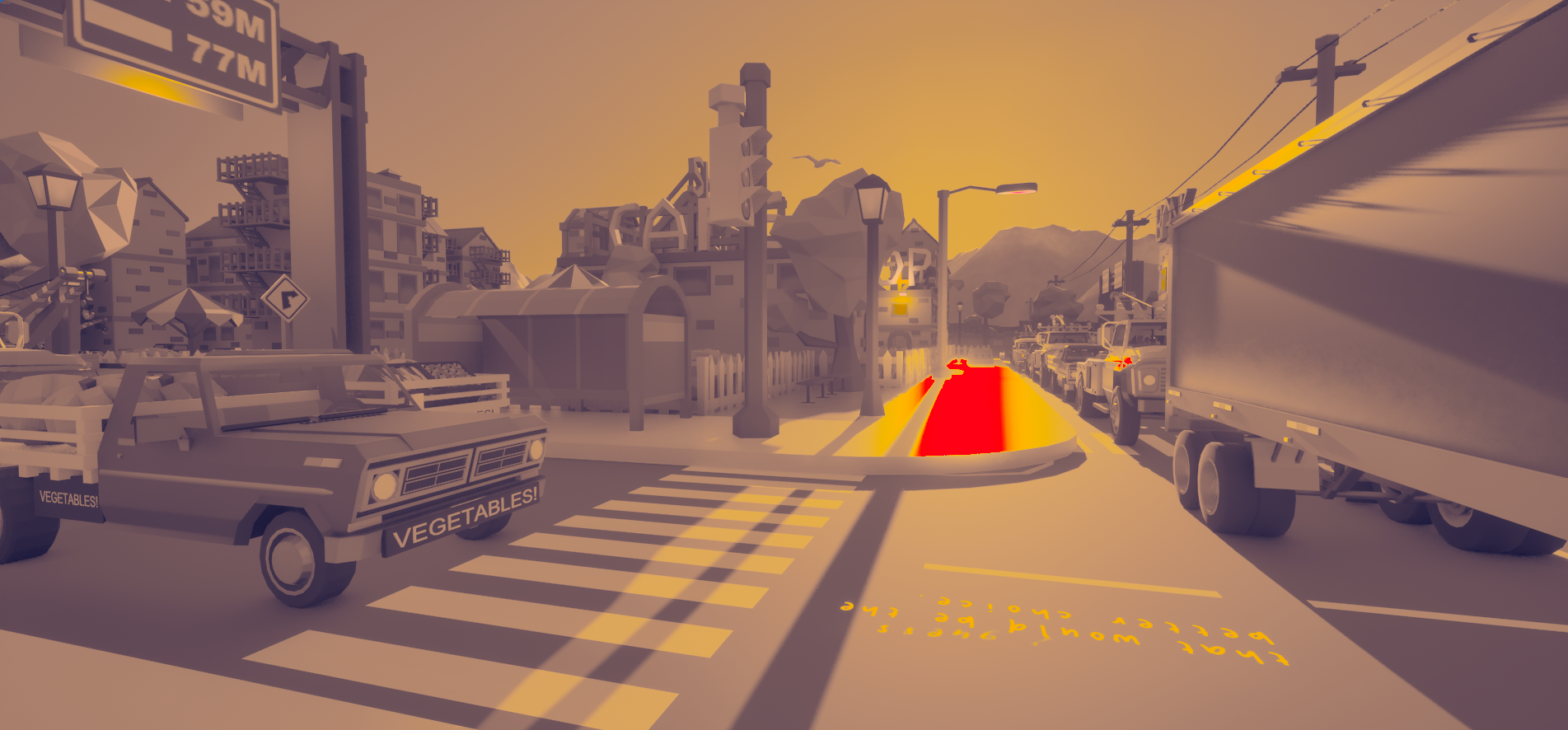
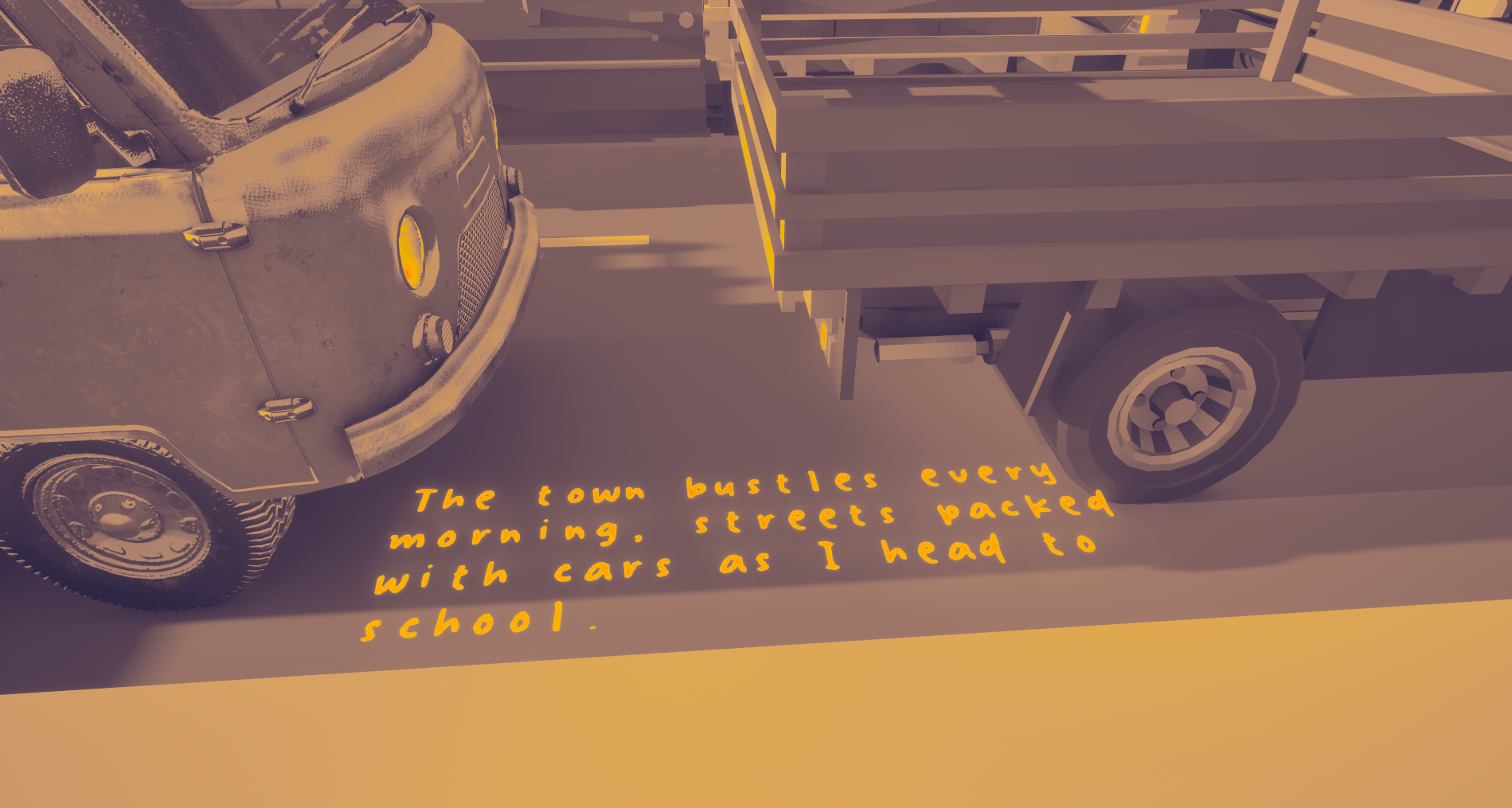
Since most of the exploration takes place in the past—within the dream world—I experimented with post-process volumes to apply monotone shaders, giving the environments the look of faded photographs and evoking the feeling of distant memories.

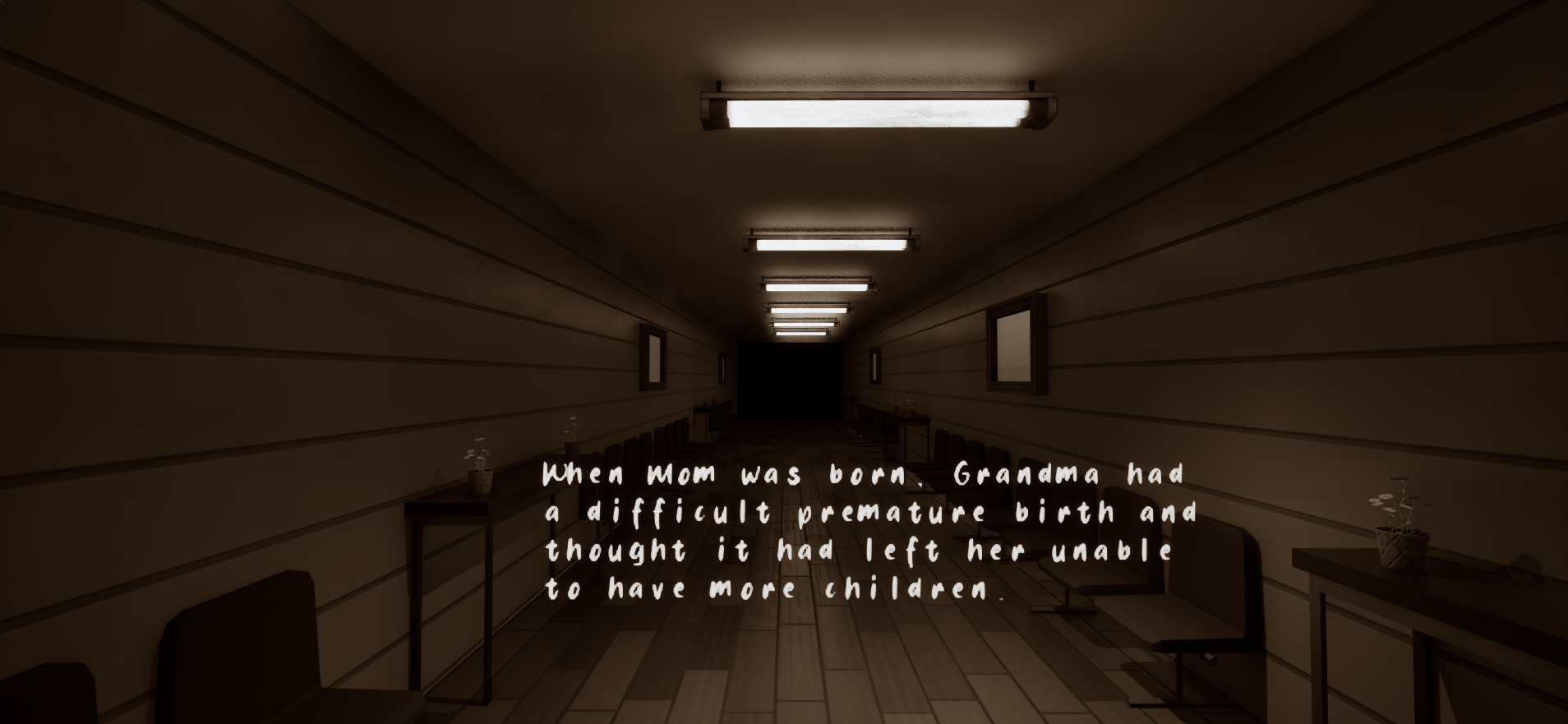
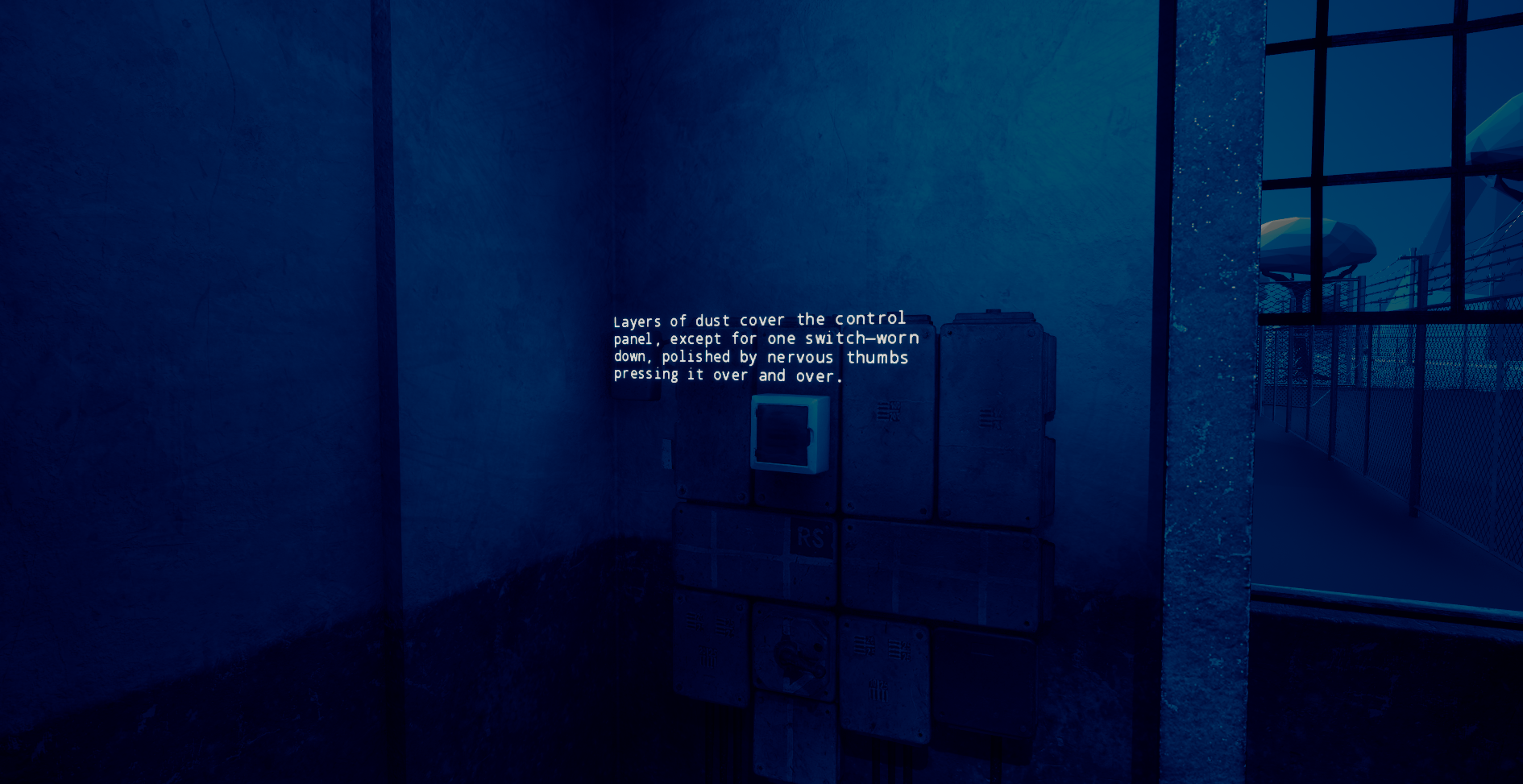
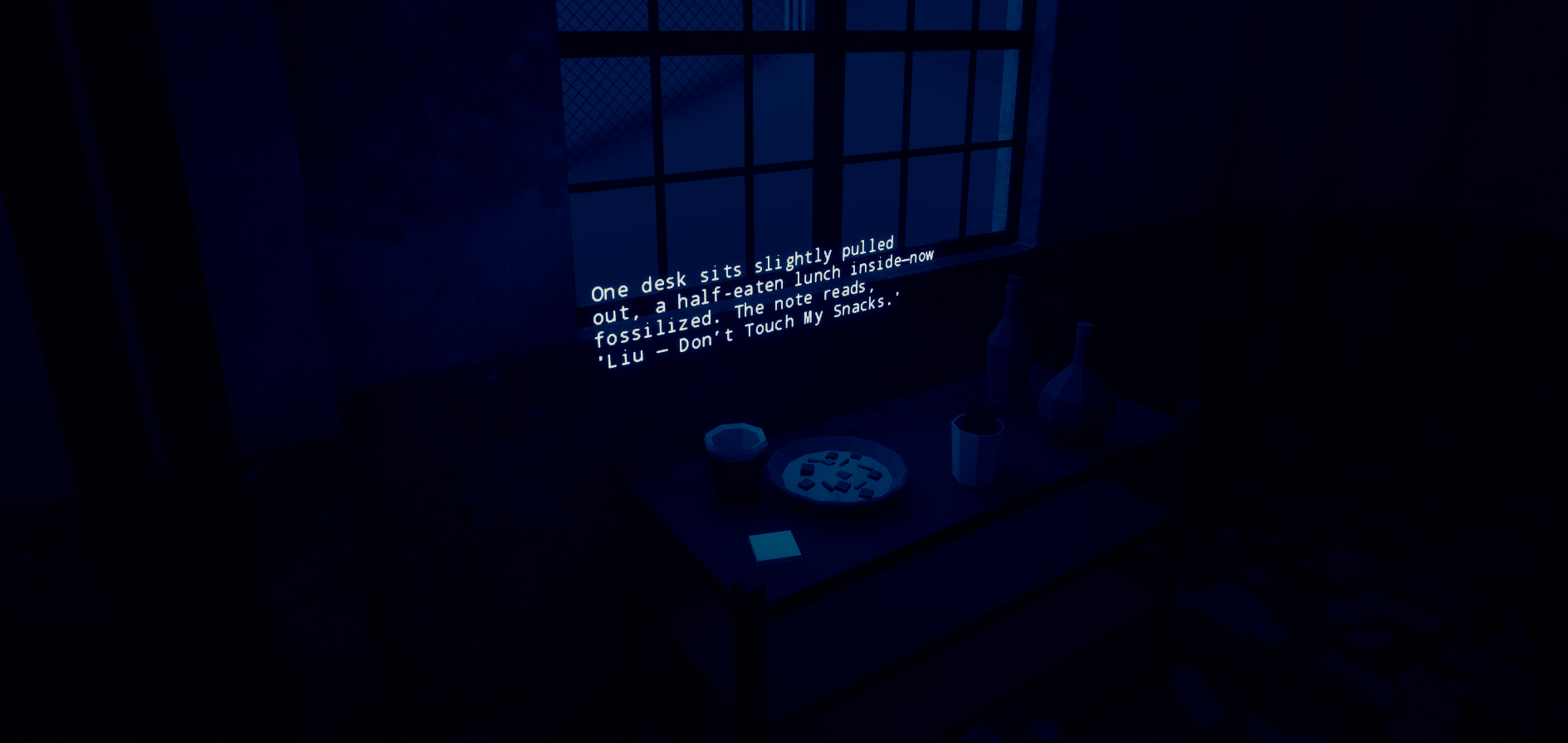
One challenge I faced during development was clearly communicating the teleportation process to the player across different memory scenes. To address this, I assigned each memory scene a distinct monotone color palette, helping to visually separate and define them. In contrast, the home scene retains natural lighting and avoids monochrome filters to create a more grounded, lifelike atmosphere. This visual distinction helps guide players intuitively through shifts between memory and perception.
Environmental Storytelling
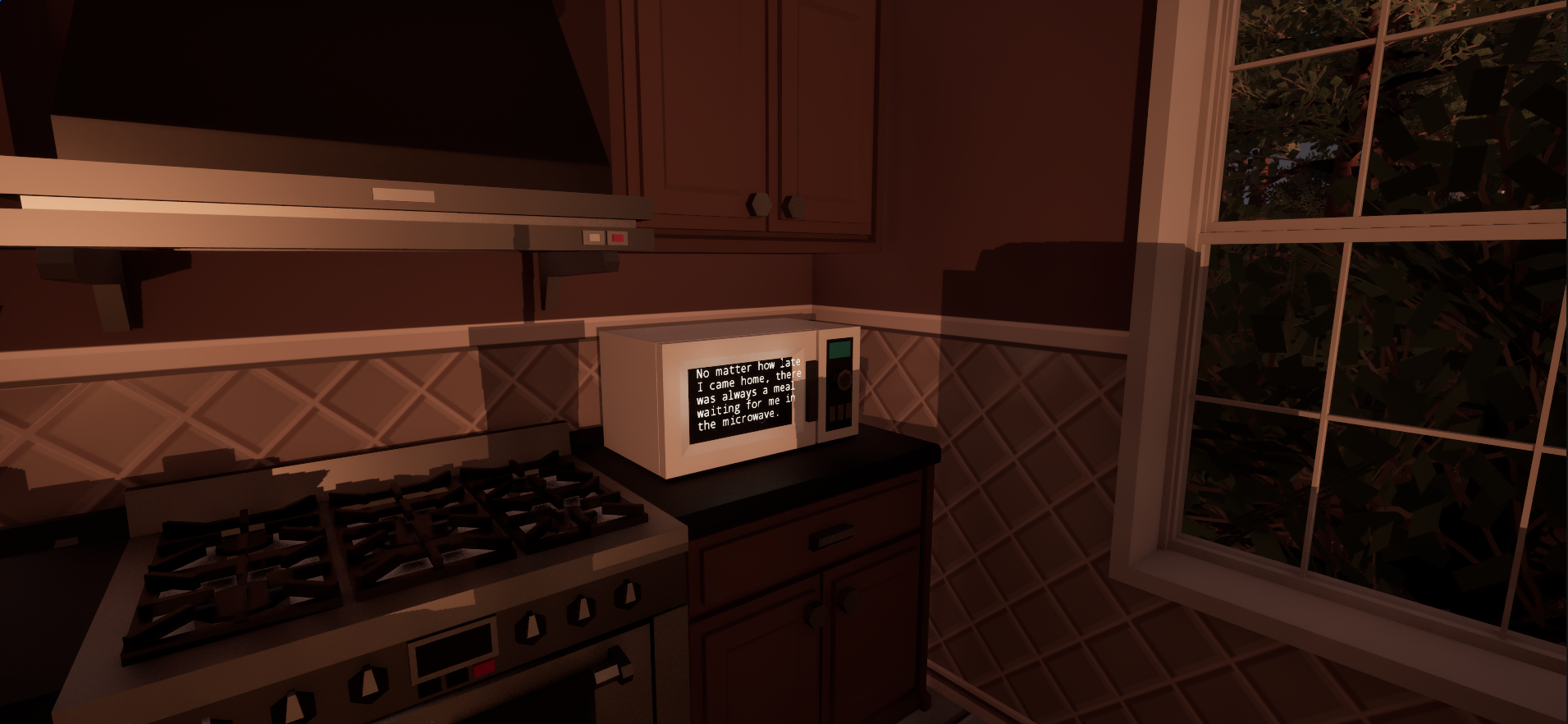
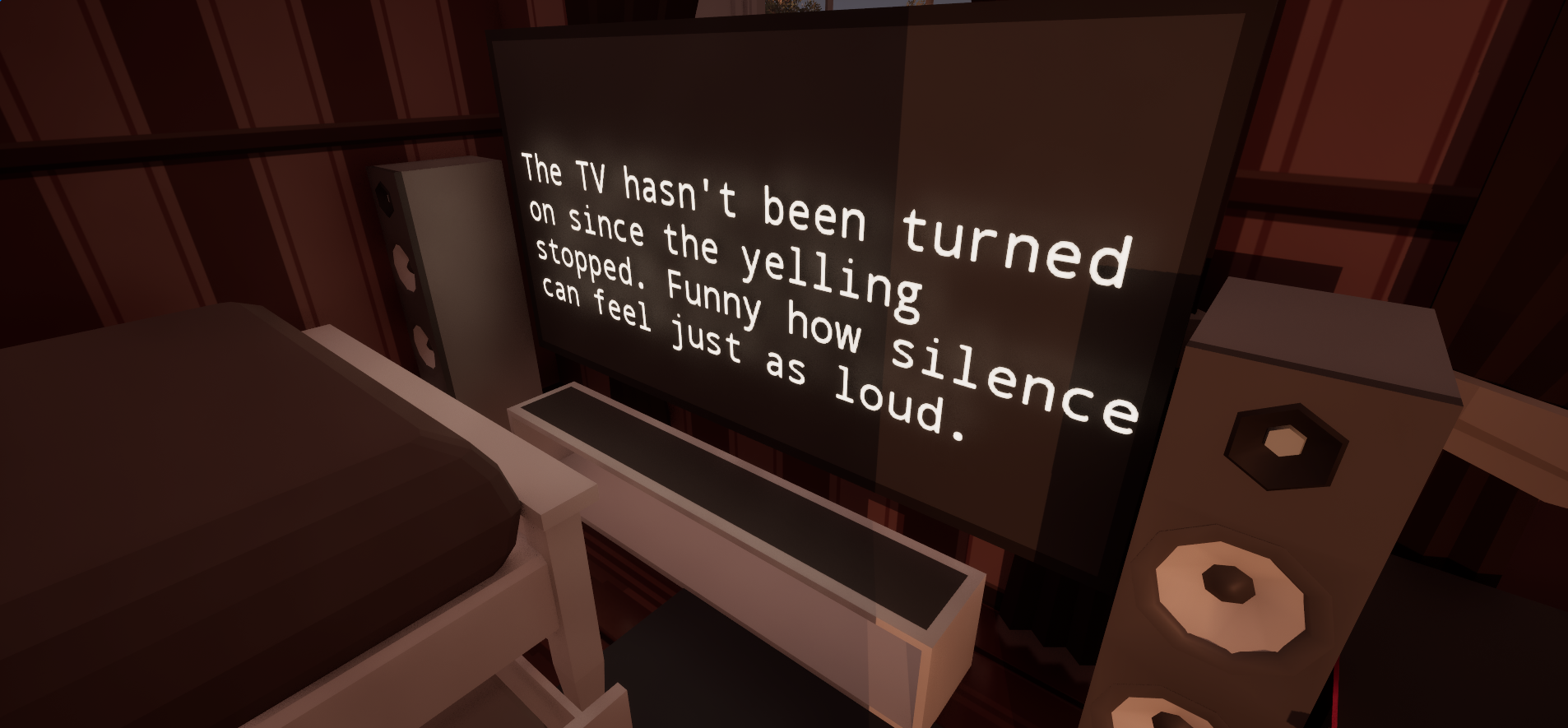
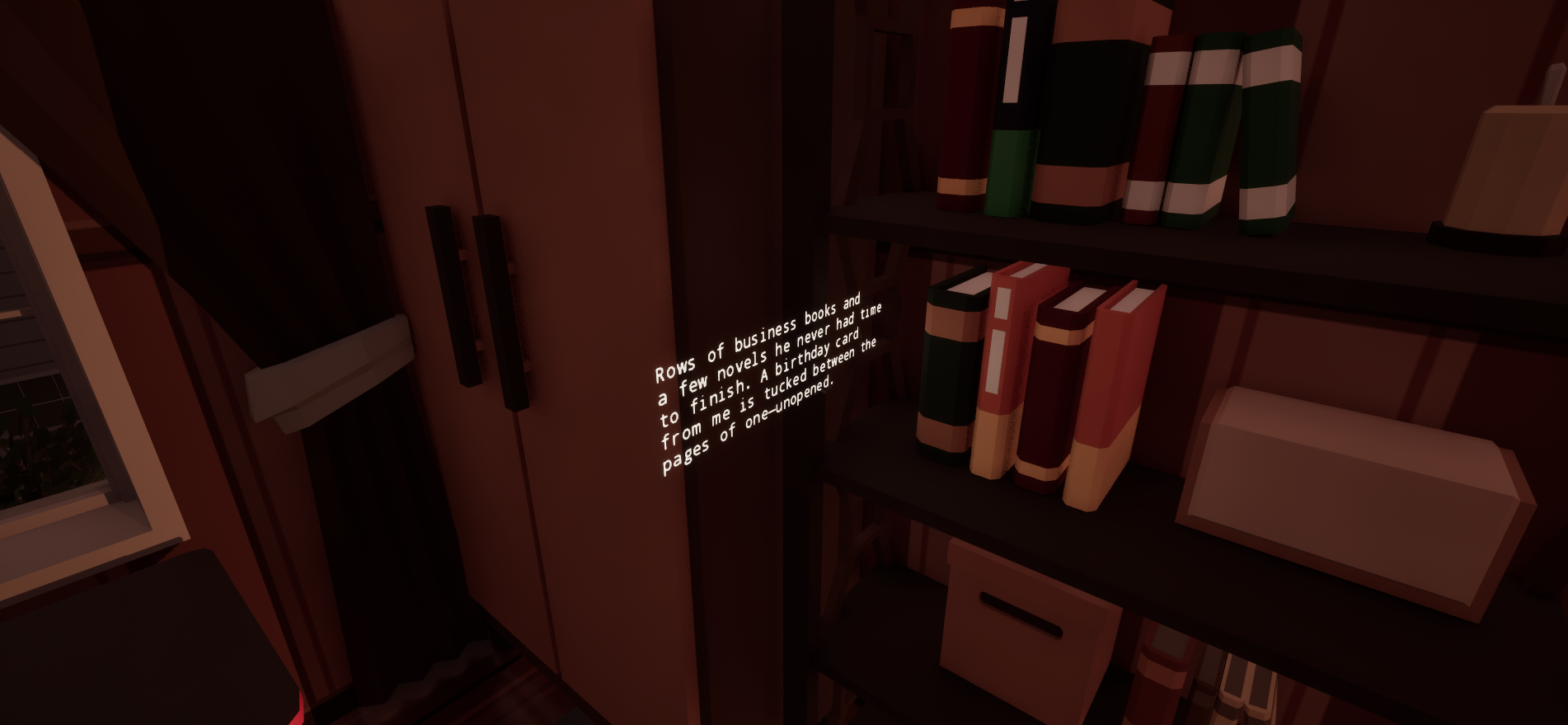
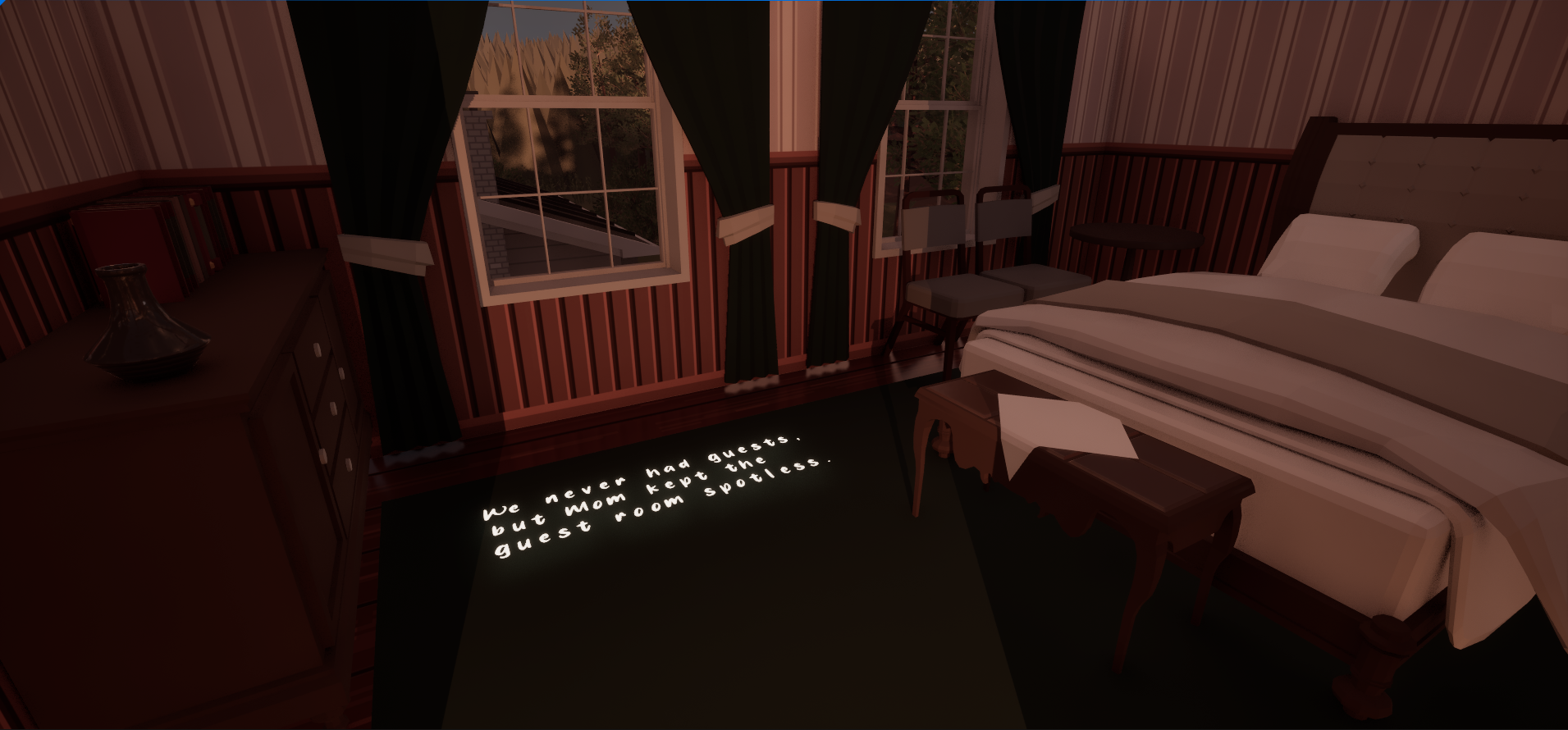
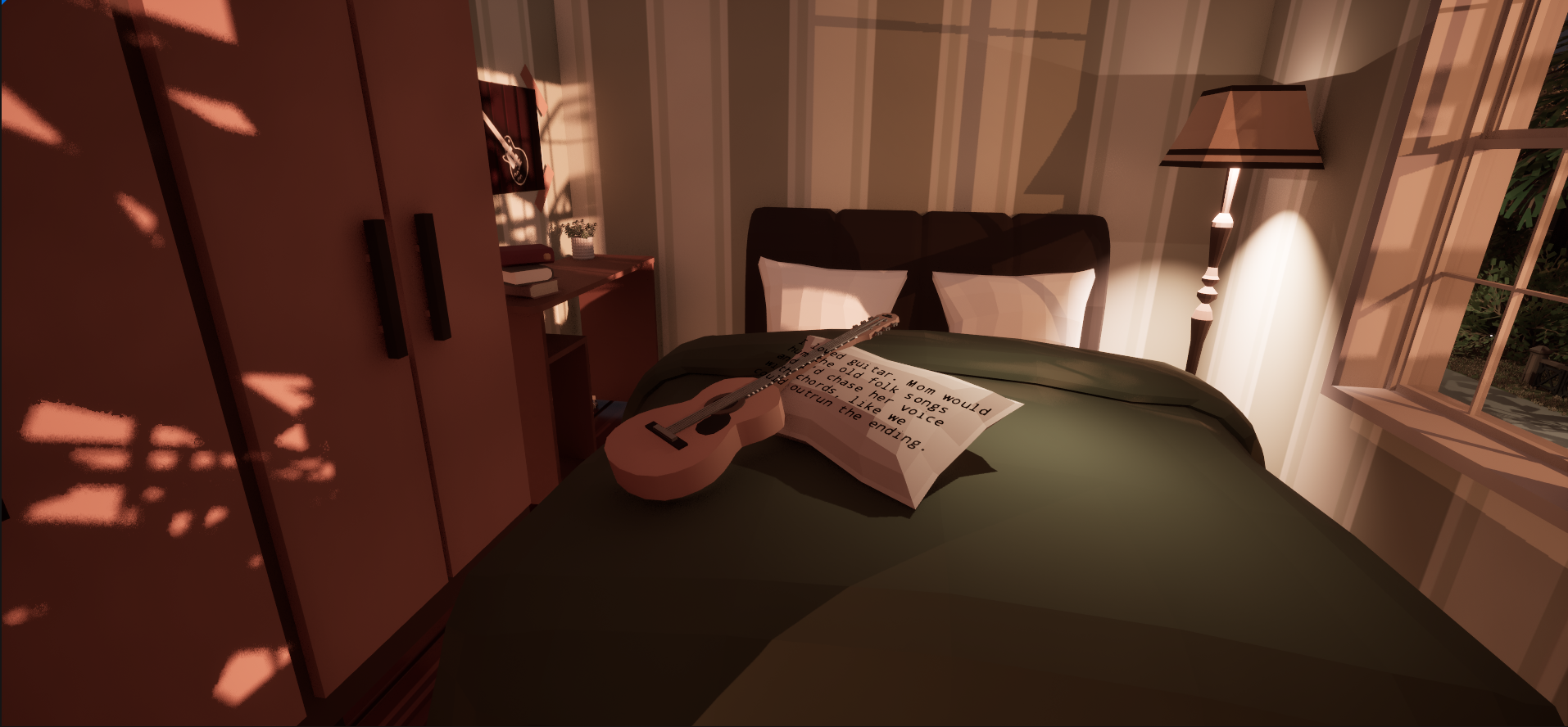
Instead of relying on lengthy cutscenes, much of the contextual narrative unfolds through environmental storytelling. Players can examine everyday objects and listen to the protagonist’s inner thoughts as she reflects on her family’s history. I placed multiple interactive items along and around the critical path to give players opportunities to engage with the world and uncover more background as they explore.
Meditative Soundscape
Music Design
Defining the music style for my musician proved to be quite challenging.
Initially, I attempted to convey the emotional tone of each scene using abstract, high-concept descriptions. However, after receiving the first demo based on these inputs, it became clear that this approach wasn’t effective—most of the tracks didn’t capture the quiet, serene atmosphere rooted in the game’s narrative and visual style.
Realizing this, I shifted my approach and began researching various music tracks online to establish a clearer and more concrete reference for the desired style. This helped me provide more accurate guidance moving forward. After refining the direction together, we agreed on using instruments like piano and cello to evoke a warm, gentle tone with a hint of sorrow—something subtle enough not to overwhelm the voiceovers. In the end, this collaboration resulted in a soundtrack that complements the story’s mood beautifully.
Ambient Sound
In addition to music, I scripted a number of ambient sound sequences that add important atmospheric context to the scenes.
For example, near the hill scene—just after the player is teleported—there is no music playing yet. Instead, the space is filled only with the sound of soft wind, accompanied by faint chimes and distant bird songs. This choice was meant to convey a sense of vastness and quiet reflection.
In the town sequence, layers of traffic noise and car horns appear before and after the girl’s walk. These sounds especially stand out when the player approaches a crosswalk—the honk is intentionally placed to snap her out of her thoughts and remind her to pay attention to her surroundings.
When the player exits the hospital scene, the fading sound of a heart monitor beep subtly marks the passing of the girl’s mother, signaling the end of the story in a restrained but poignant way.
I hope these ambient designs help guide players through the emotional undercurrents of the narrative, adding nuance to the experience without relying solely on visuals or dialogue.
Postmortem & Afterwords
The Falling Star began as a quiet attempt to express something deeply personal—grief, memory, and the emotional undercurrents that often go unspoken. Looking back, the development journey was far more difficult than I expected—not because of any one major hurdle, but because of the many subtle but persistent challenges that slowly built up over time. From design decisions to technical blockers, I often had to figure things out alone, learning through trial, reflection, and persistence.
Despite the isolation, this project has been a tremendous period of growth. I’m proud that I completed the game entirely on my own, but I’m also deeply grateful to my advisor and friends, whose encouragement helped carry me through moments of doubt. Without them, this game wouldn’t exist. I hope that players find in it something meaningful—something small and quiet, but lasting.
Through this process, I’ve come to better understand the kind of stories I want to tell. I’m more drawn to the subtle emotional dynamics—the tension in silence, the way a small gesture can speak volumes, or the resonance that lingers in a forgotten object. I want to craft experiences that feel personal, reflective, and emotionally grounded, without overwhelming the player.
Rather than replicate reality, I aim to create dreamlike spaces that feel familiar yet distant—worlds that allow players to bring their own interpretations, their own histories. I intentionally avoid anchoring my work in real-world events, not to ignore reality, but to keep space open. I believe fiction, when handled gently, can soften the boundaries of truth and invite a broader kind of contemplation.
Ultimately, I don’t see my role as a designer who provides answers. Instead, I see myself as someone who creates conditions—emotional spaces, atmospheric details, narrative fragments—so that meaning can emerge through the player’s own experience. The Falling Star is not a statement. It’s an invitation: to feel, to wonder, and perhaps to carry something quiet back into your own world.
Gallery – Final
Start Scene – Text 
Home Scene – Tombstone 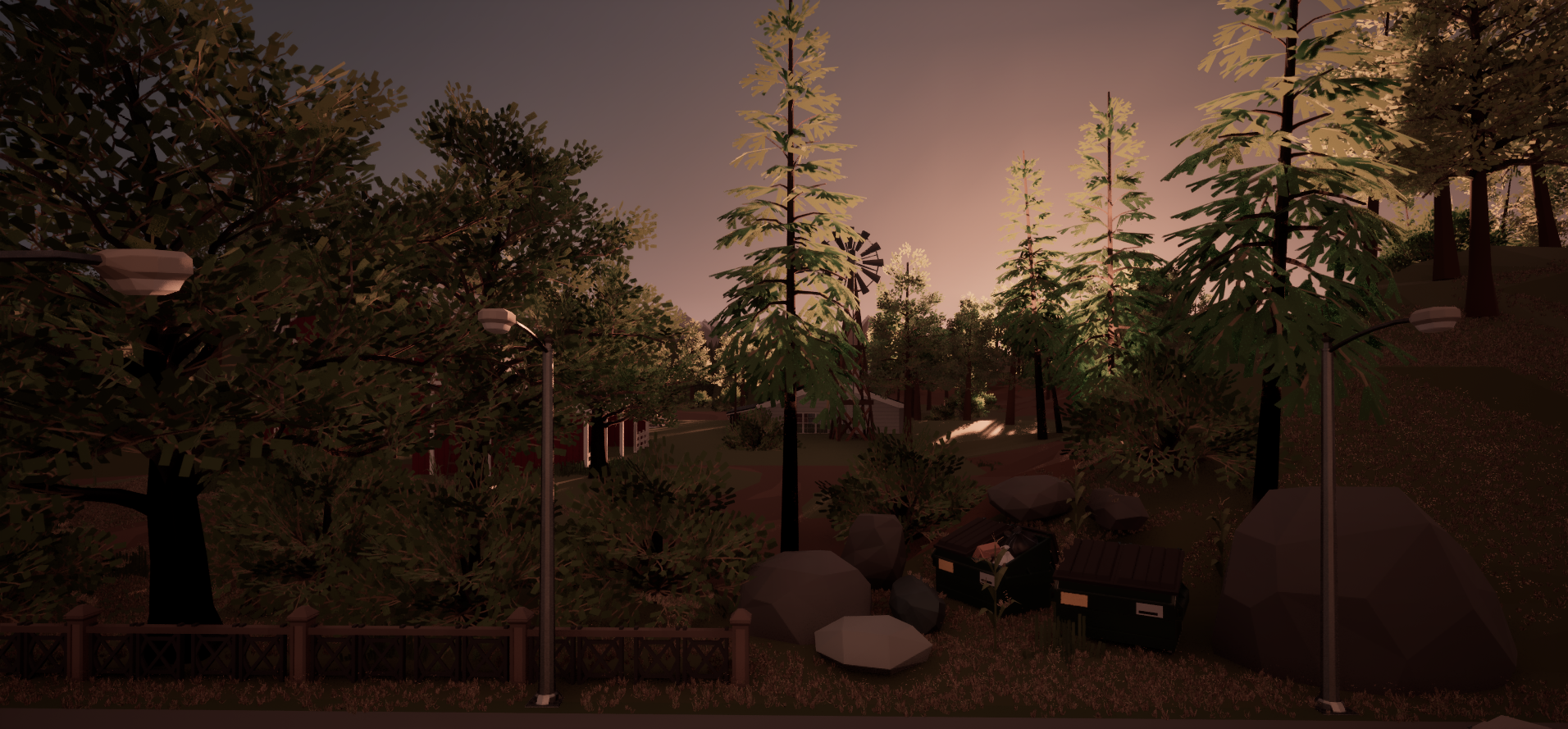
Home Scene – Sunset 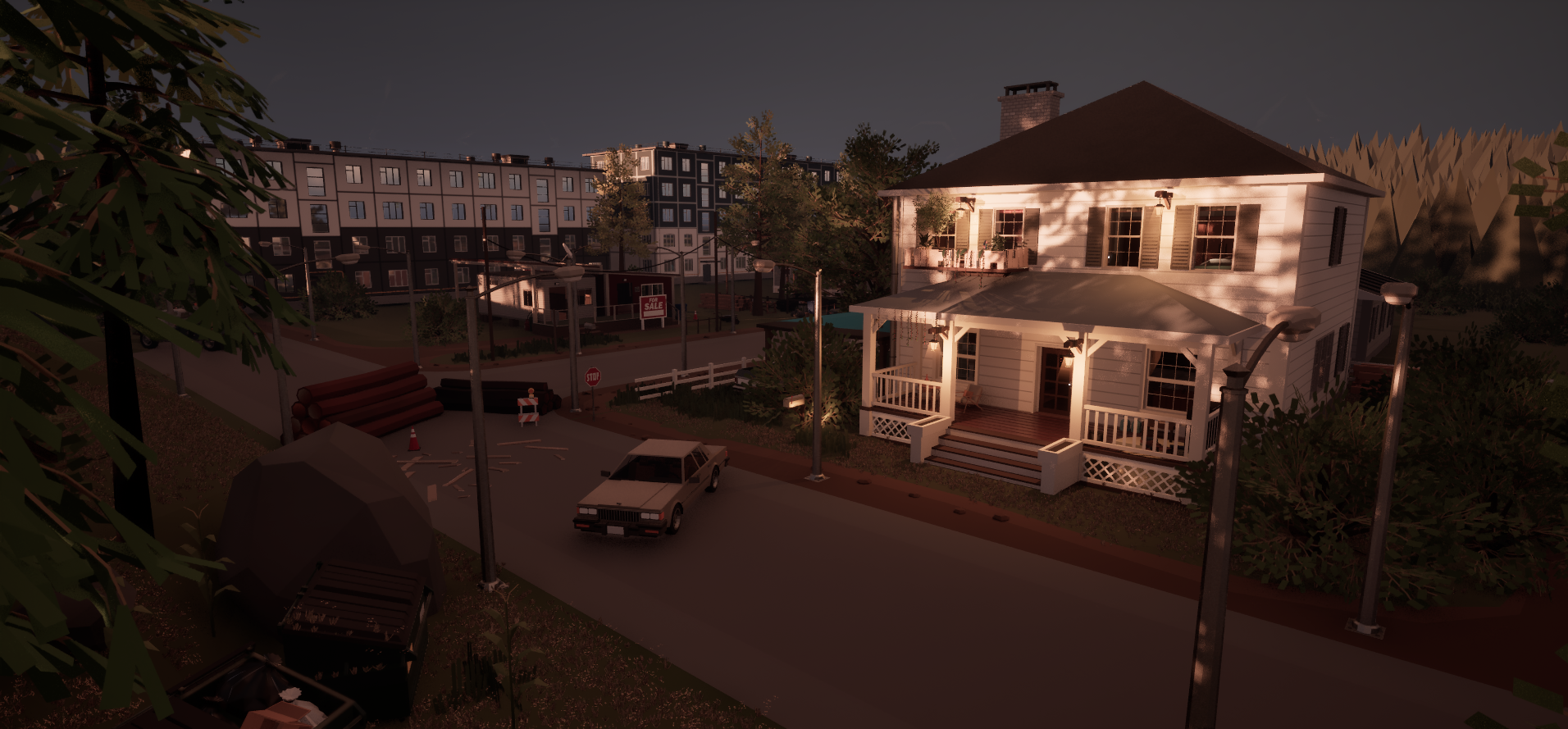
Home Scene – Home 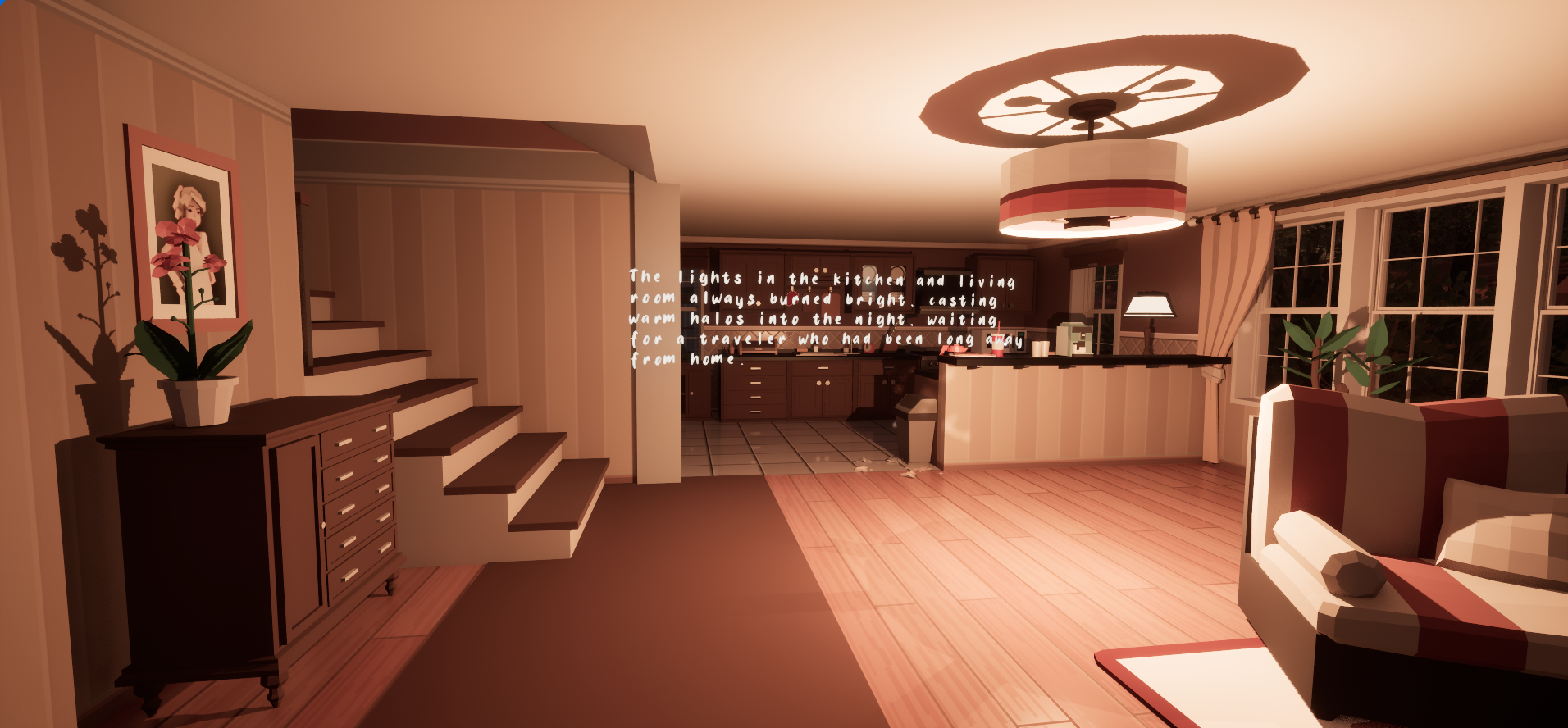
Home Scene – Living Room 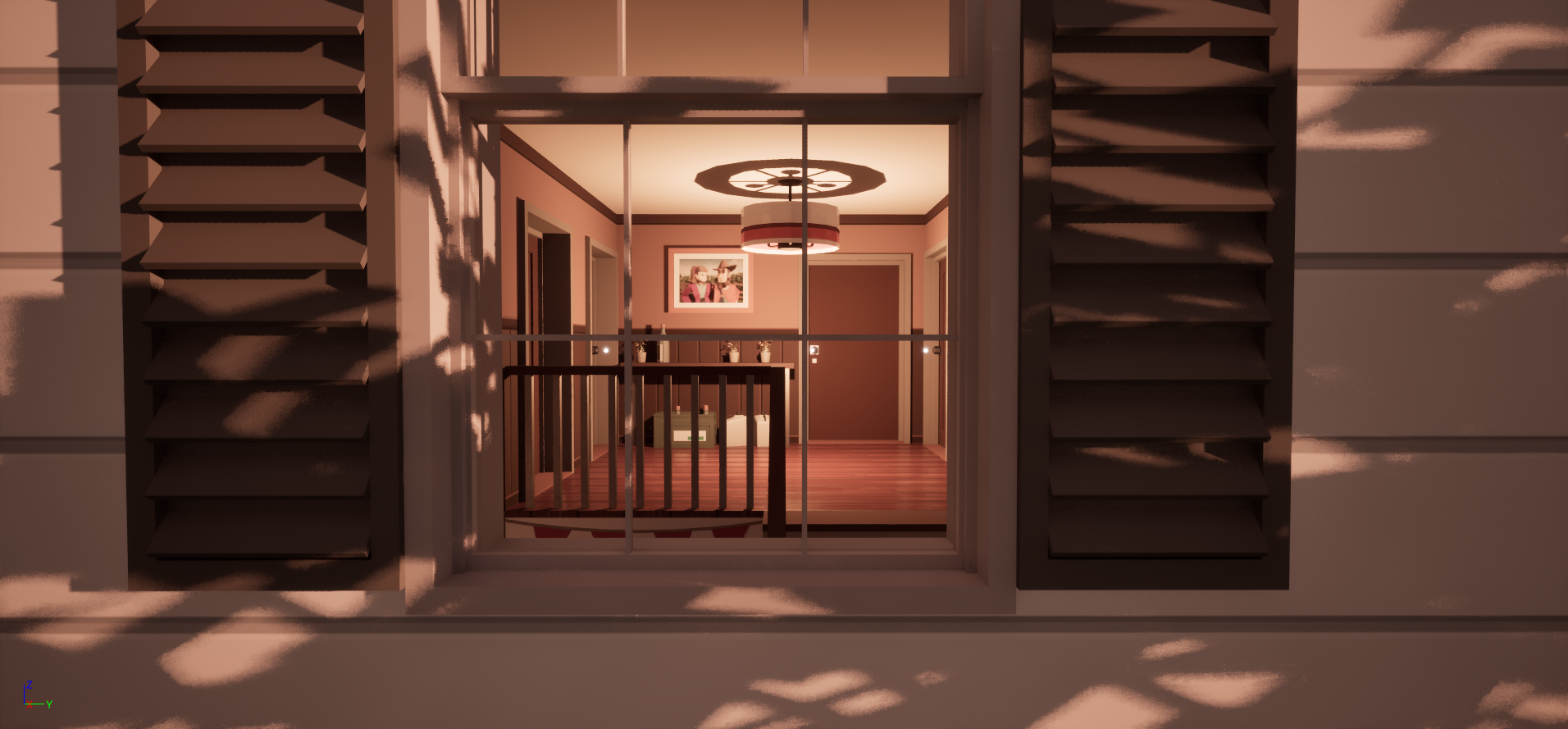
Home Scene – 2nd Floor 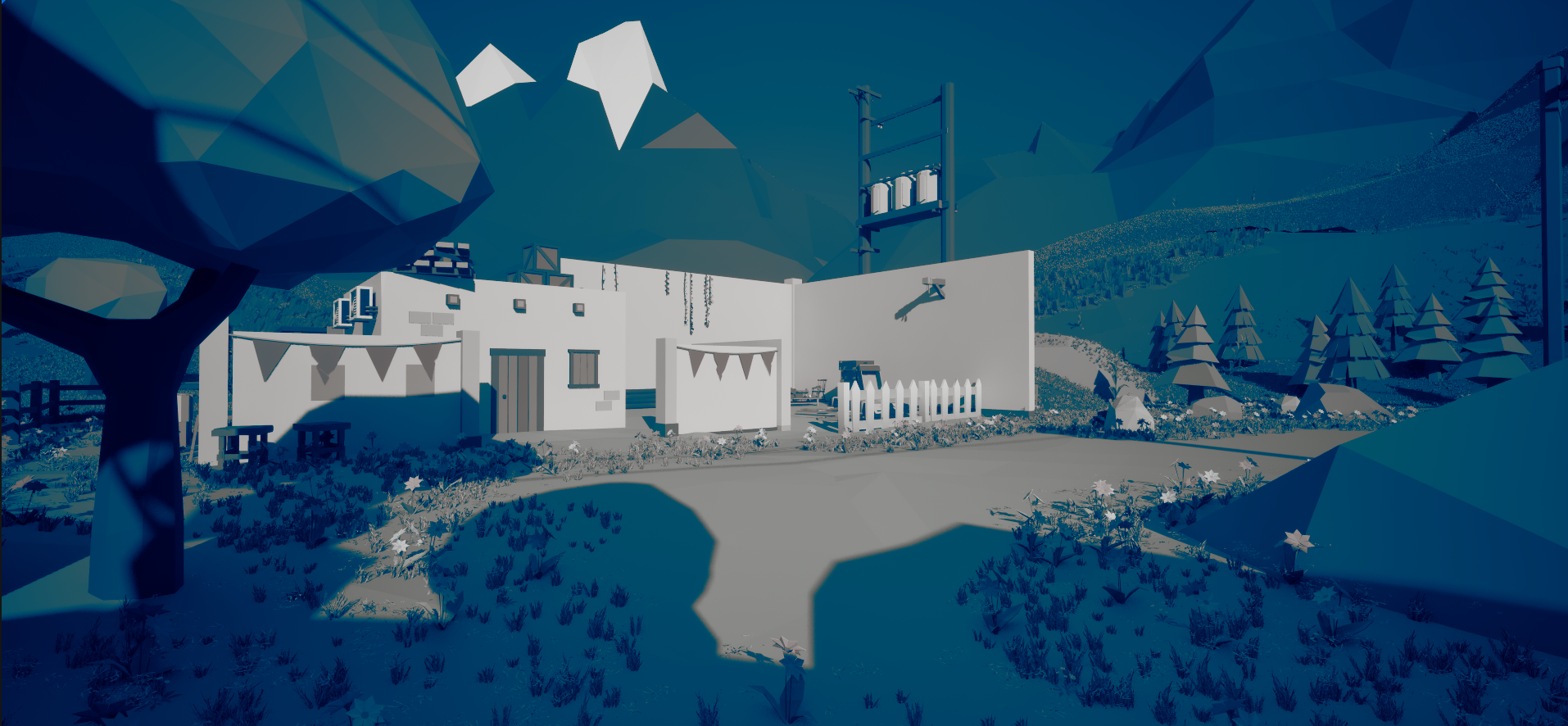
Factory Scene – Hill Lodge 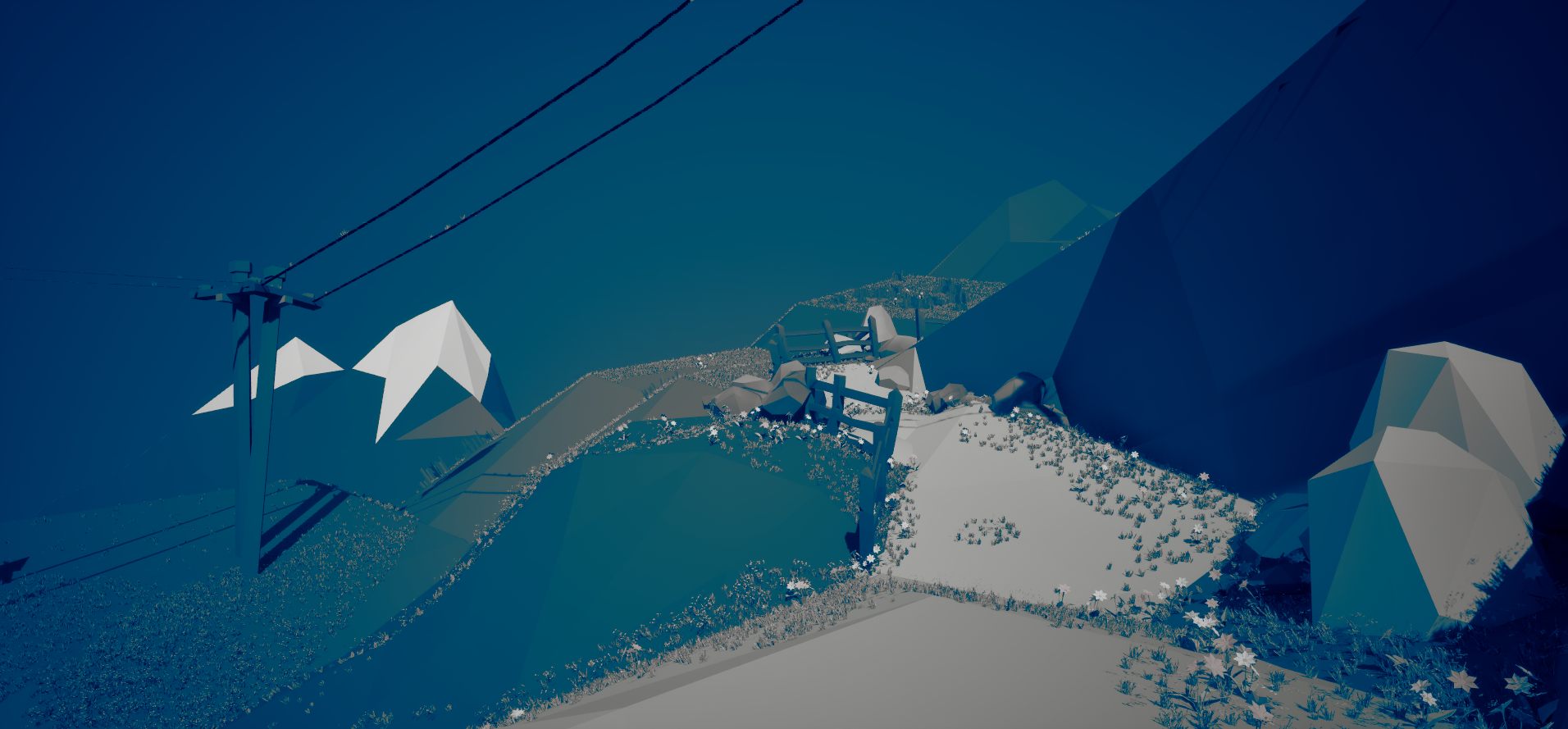
Factory Scene – Hill 
Factory Scene – Factory 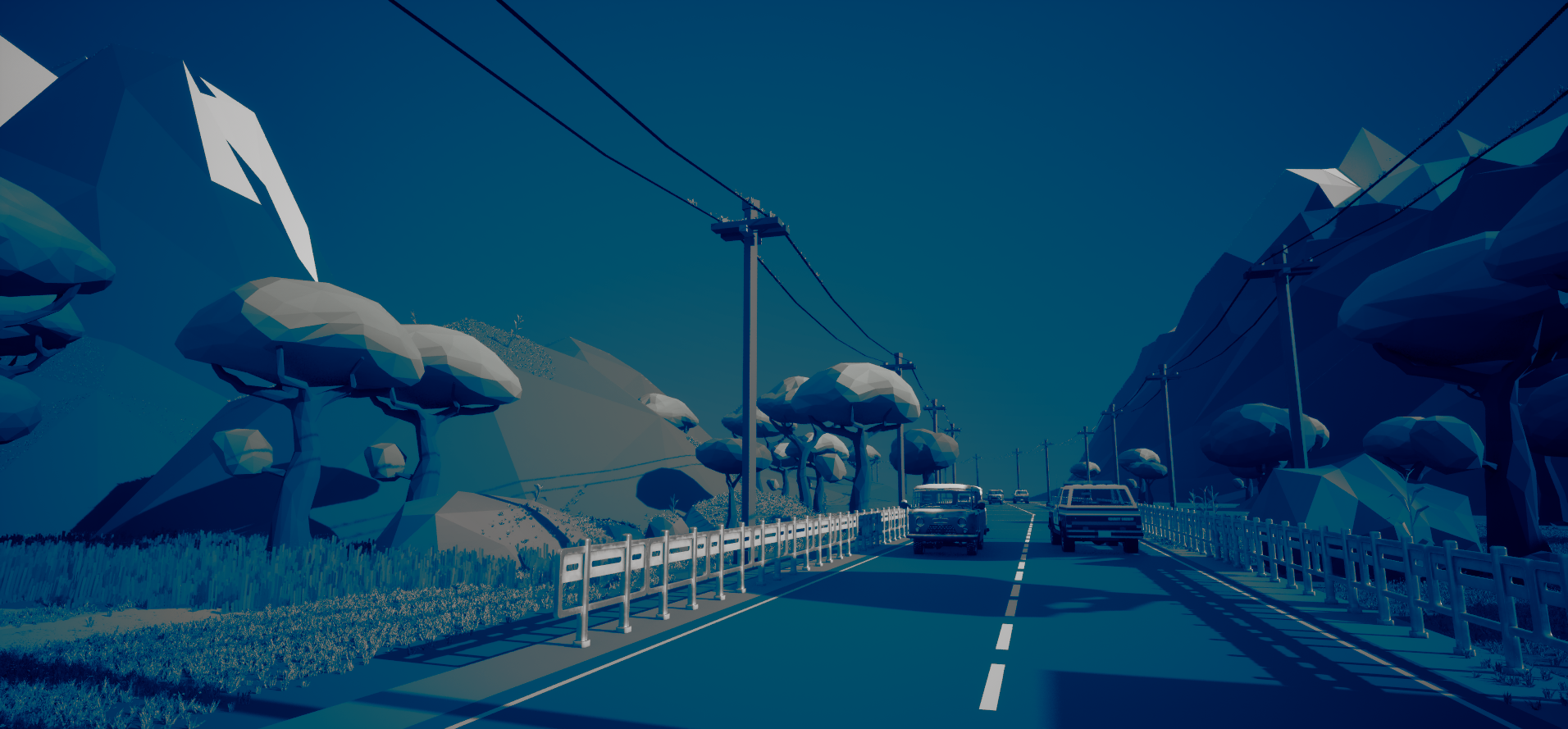
Factory Scene – Highway 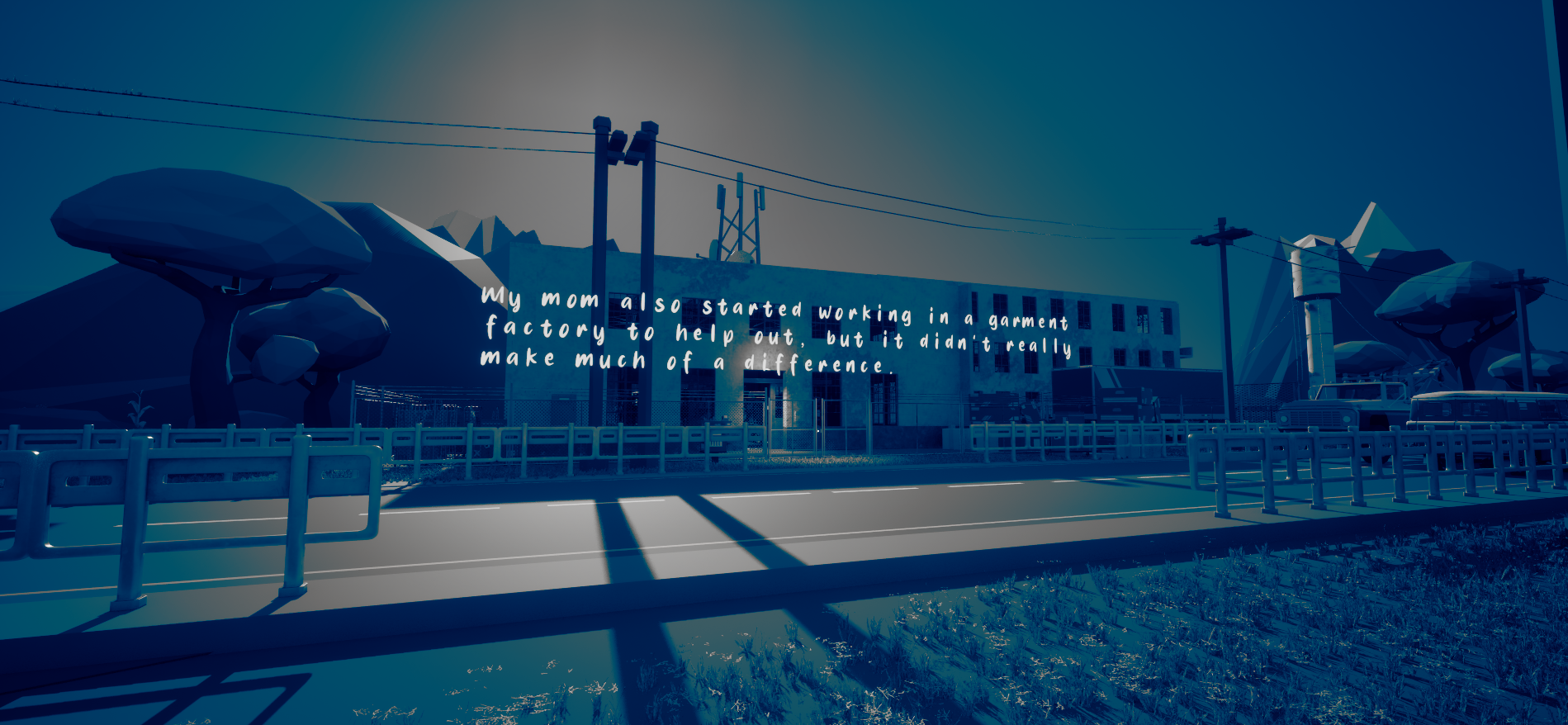
Factory Scene – Factory Gate 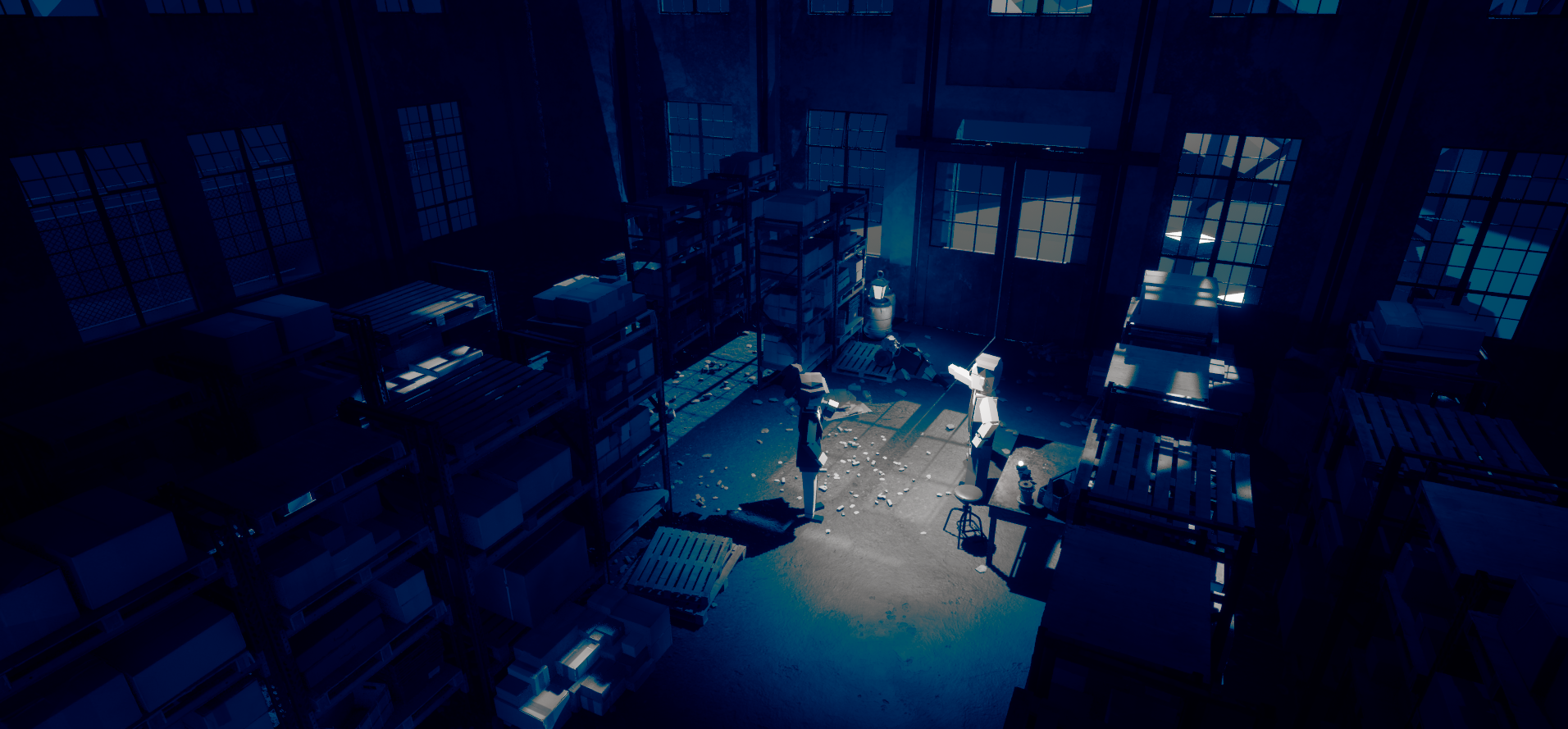
Factory Scene – Dialogue 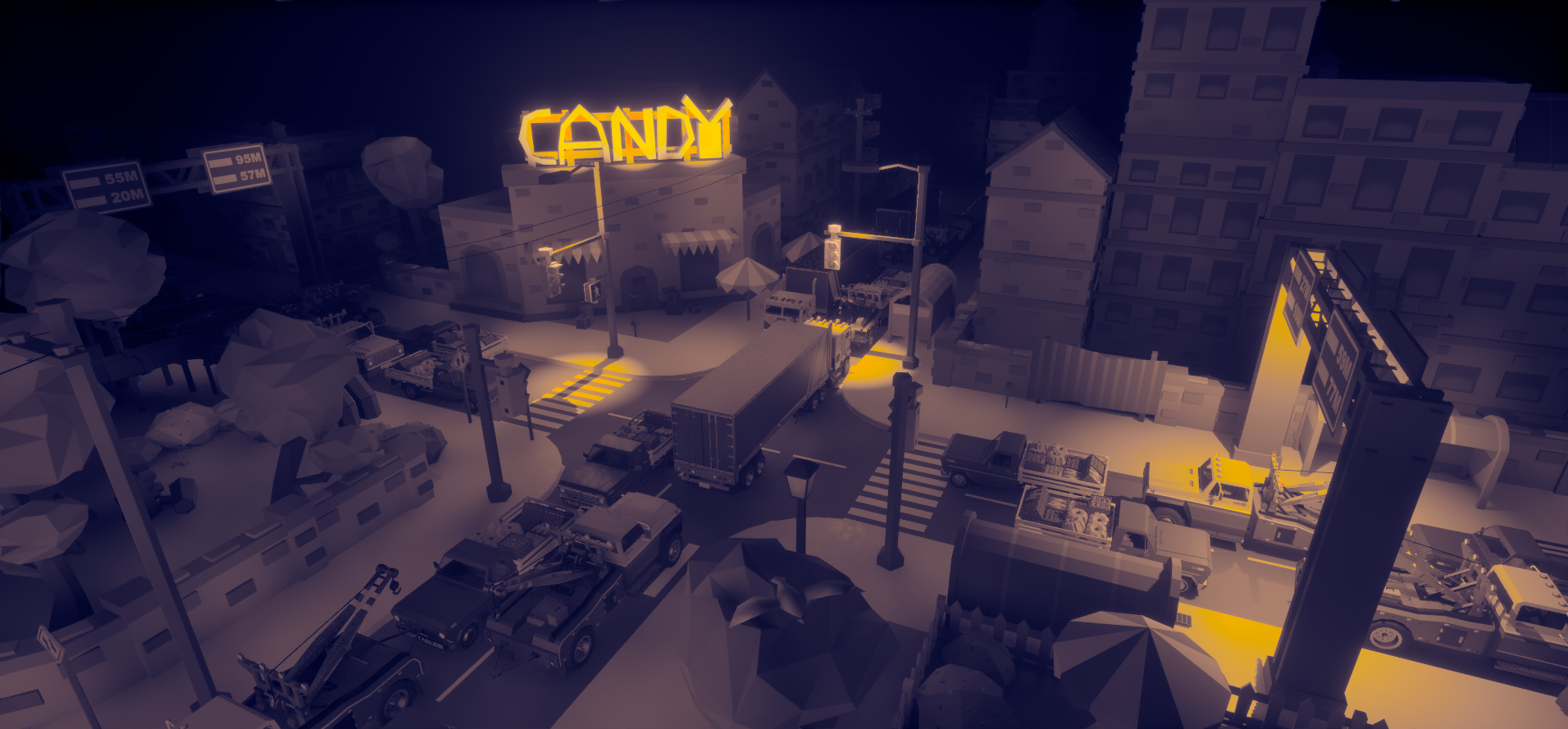
Town Scene – Night 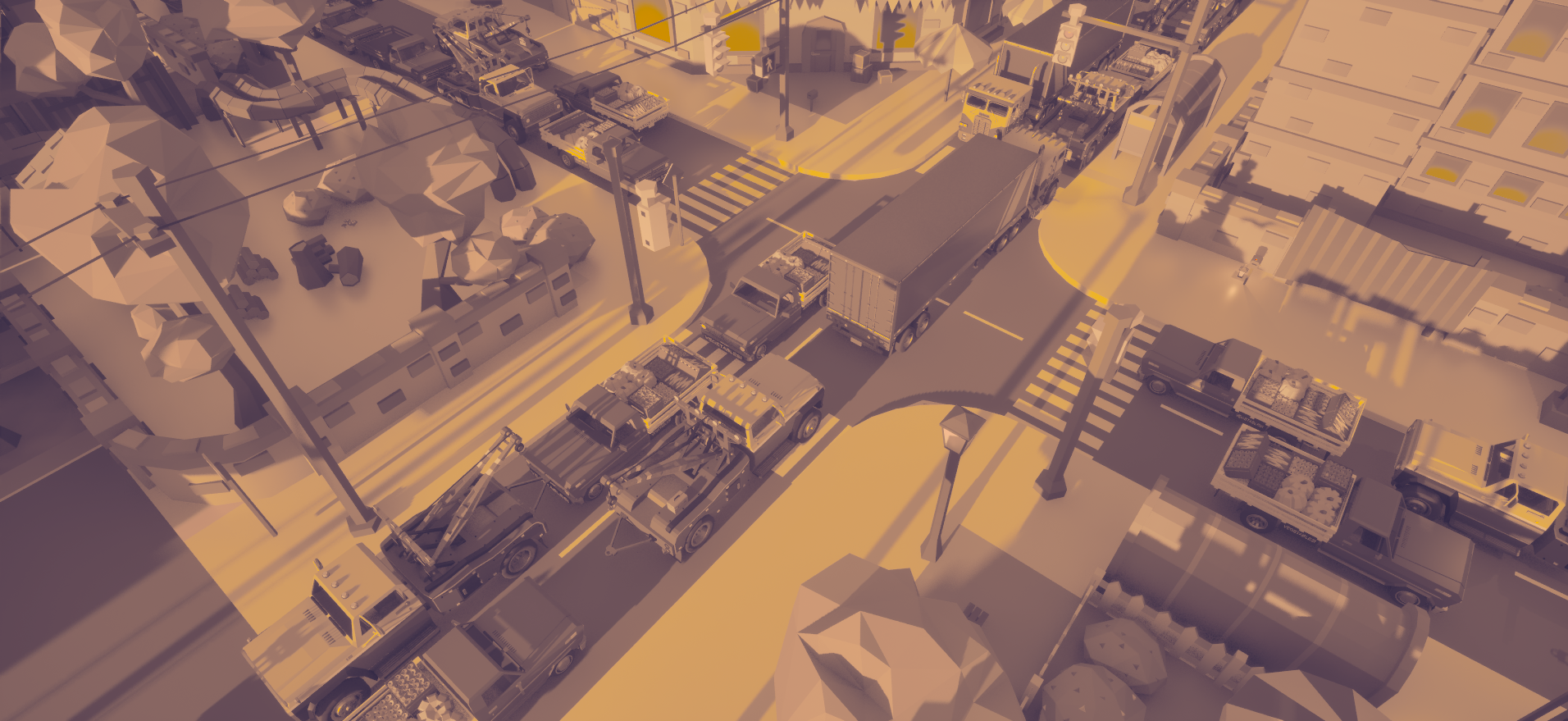
Town Scene – Overview 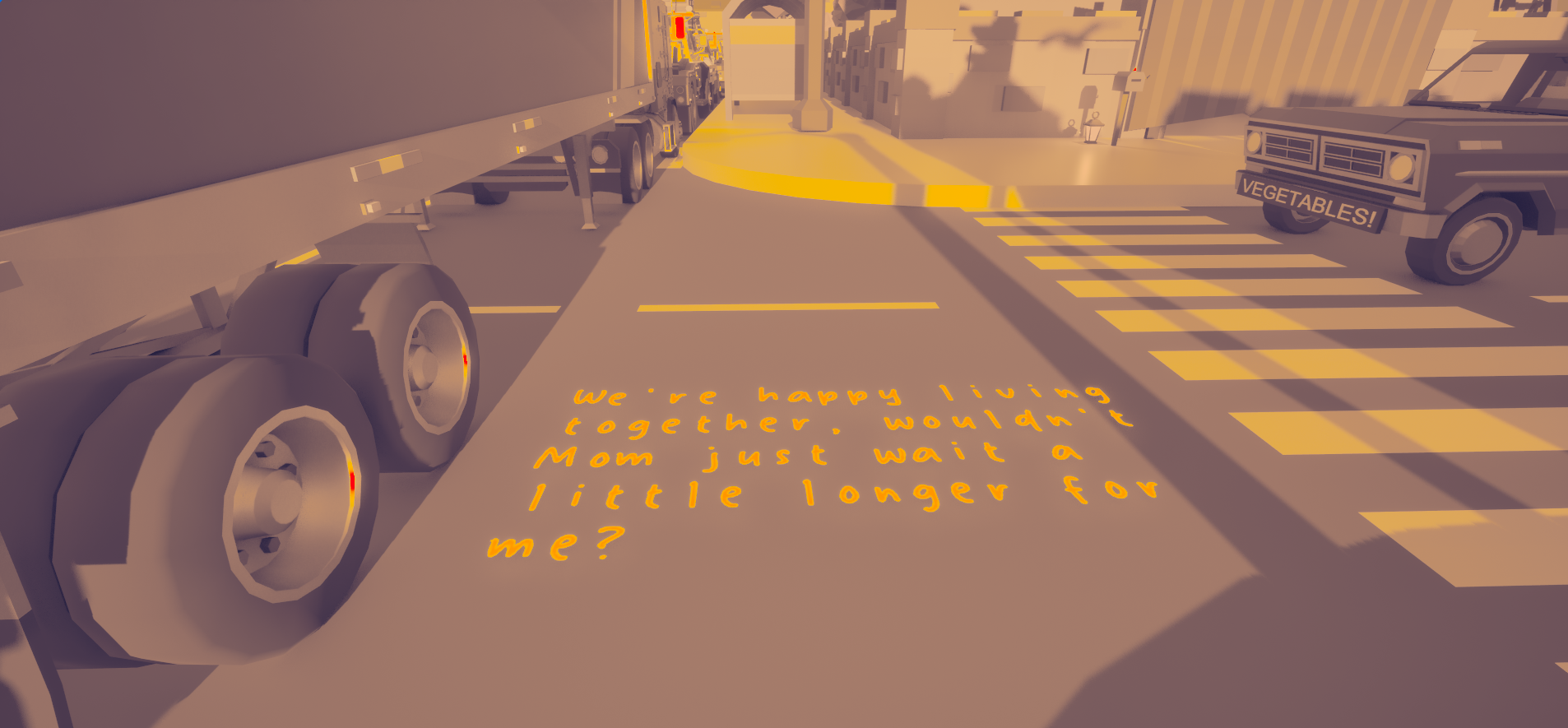
Town Scene – Road 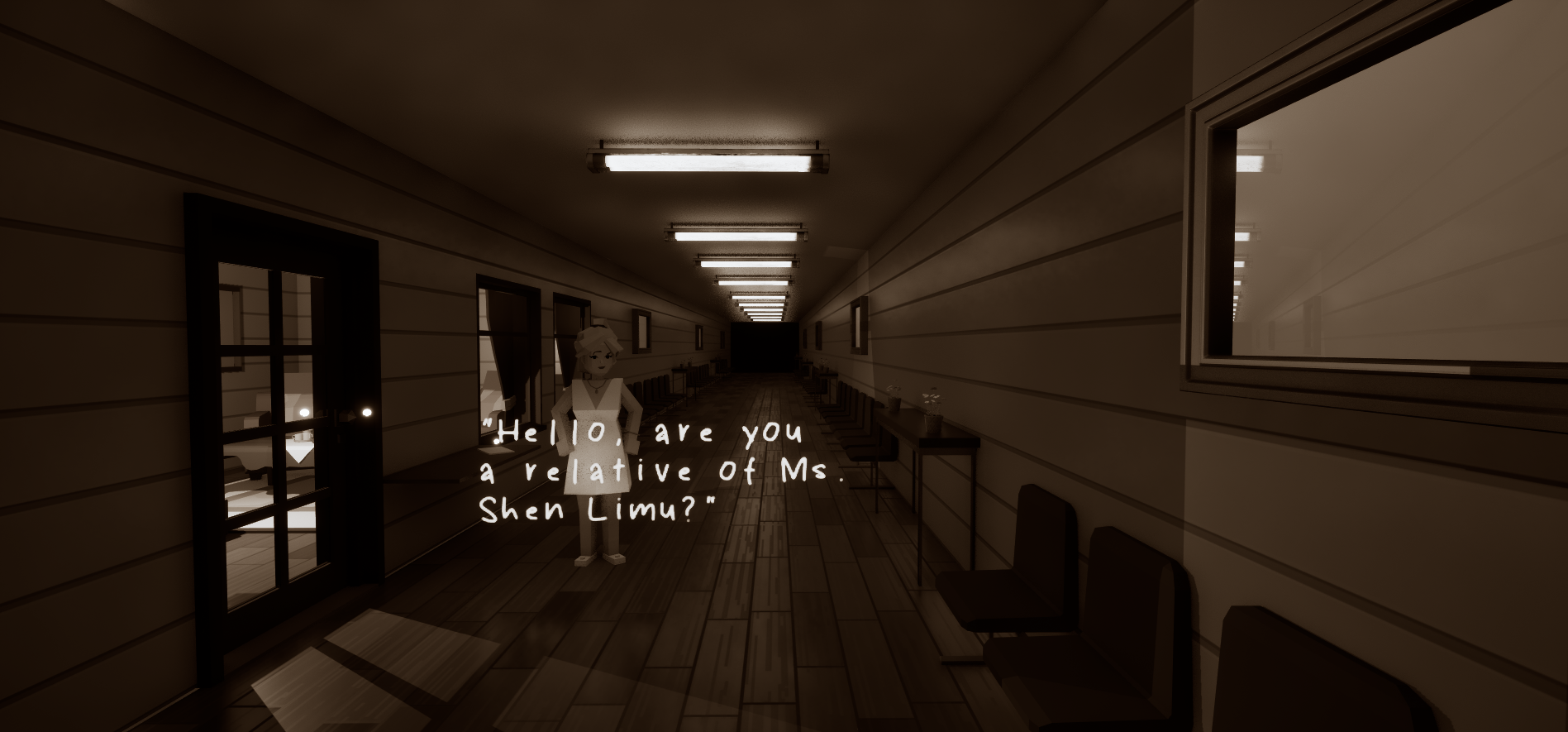
Hospital Scene – Hallway
Gallery – Iteration
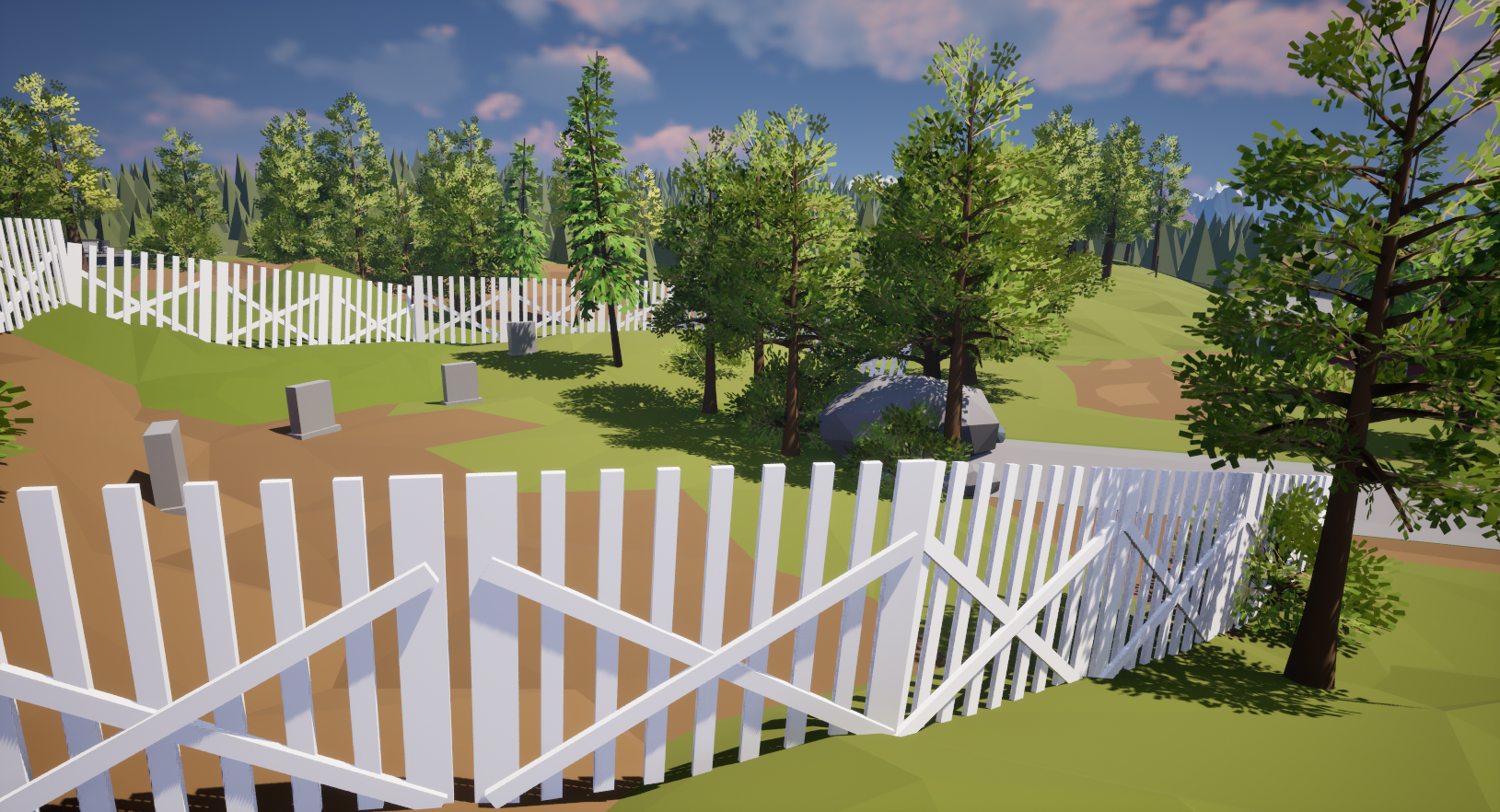
Home Scene – Tombstone Area Whitebox 
Home Scene – Street Area Whitebox 
Factory Scene – Early Whitebox 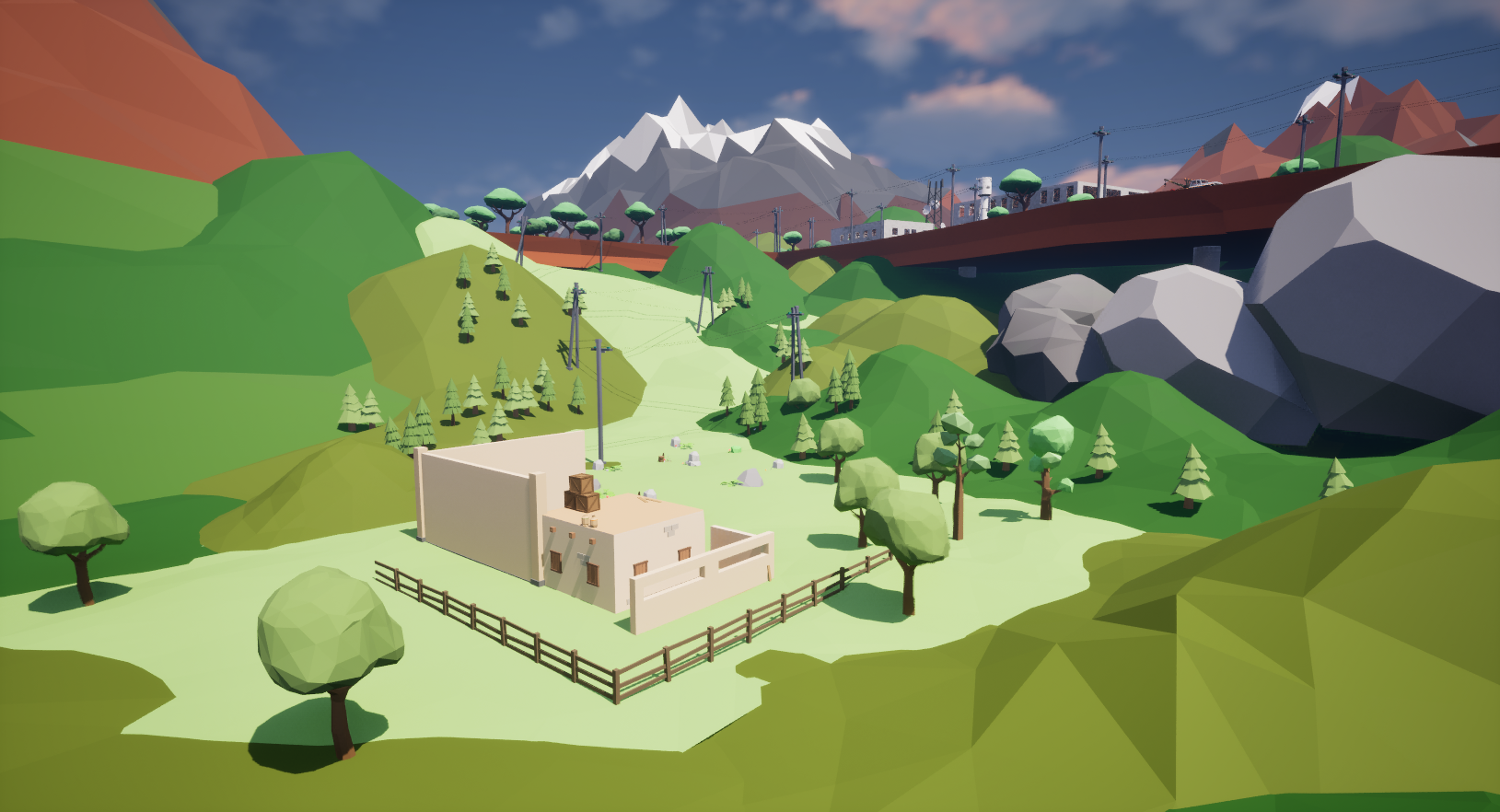
Factory Scene – Final Whitebox 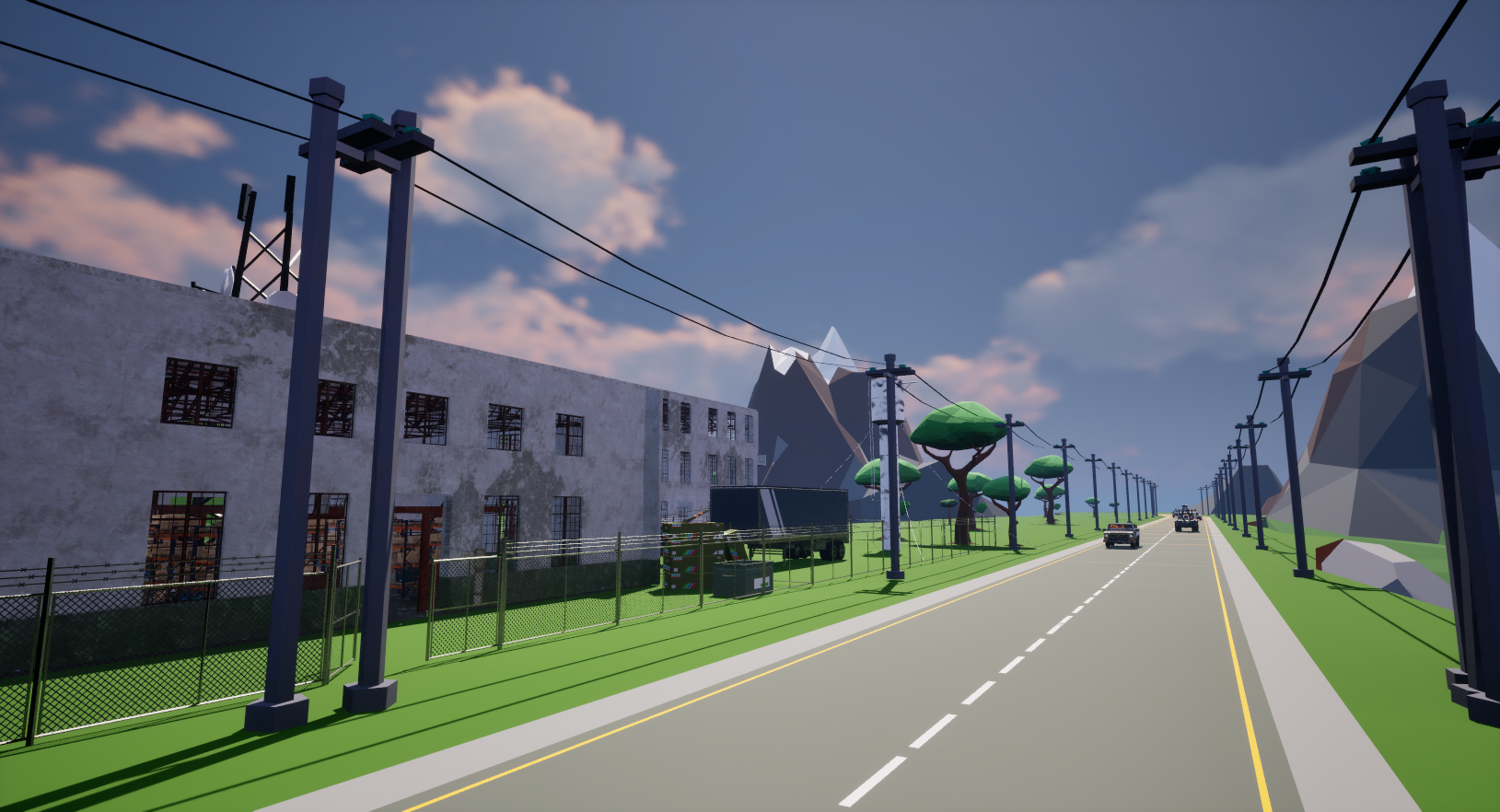
Factory Scene – Highway Whitebox 
Town Scene – Whitebox 
Town Scene – Whitebox, closer look 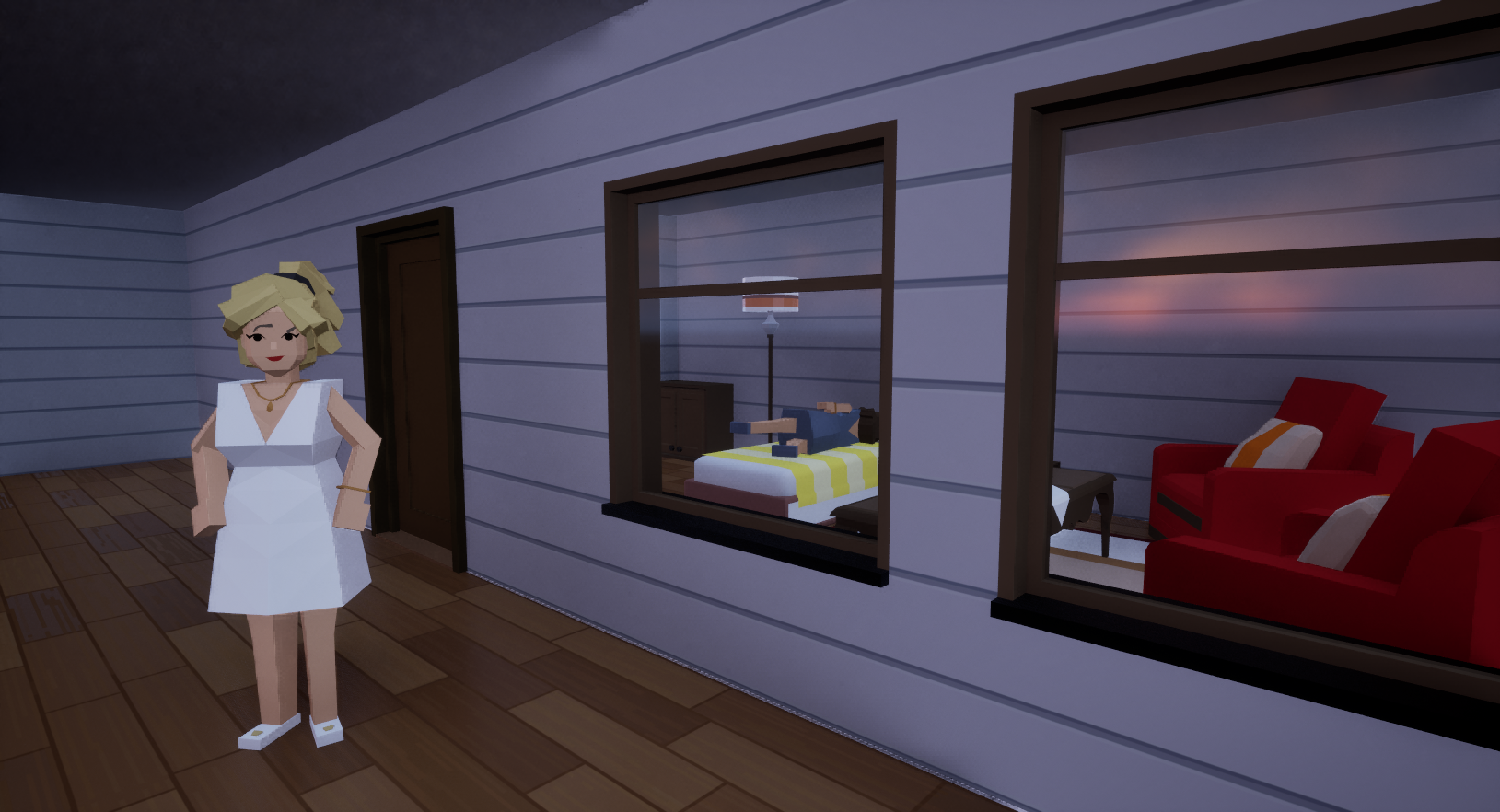
Hospital Scene – Whitebox 
Factory Scene – Shader Experiment 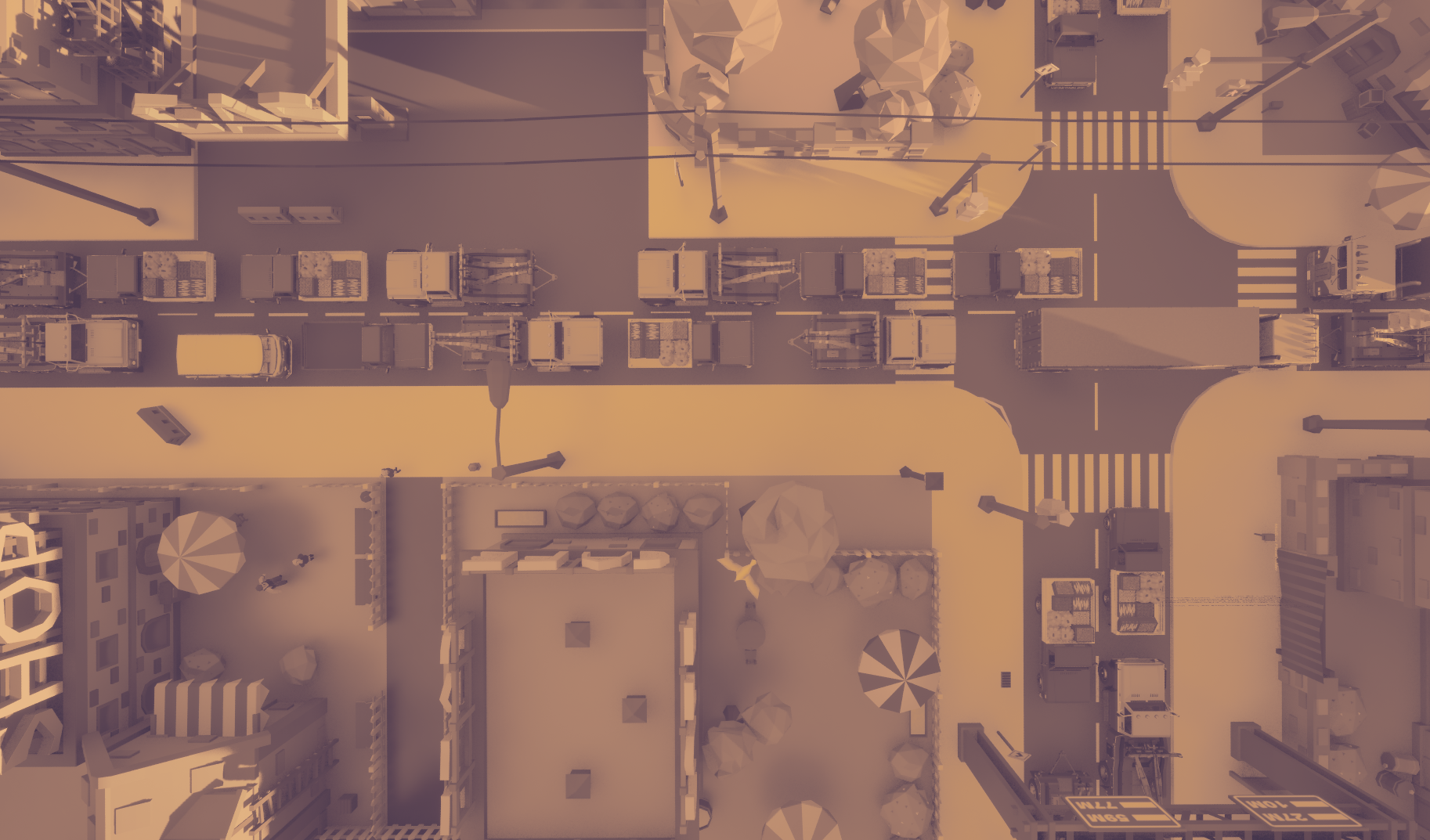
Town Scene – Shader Experiment 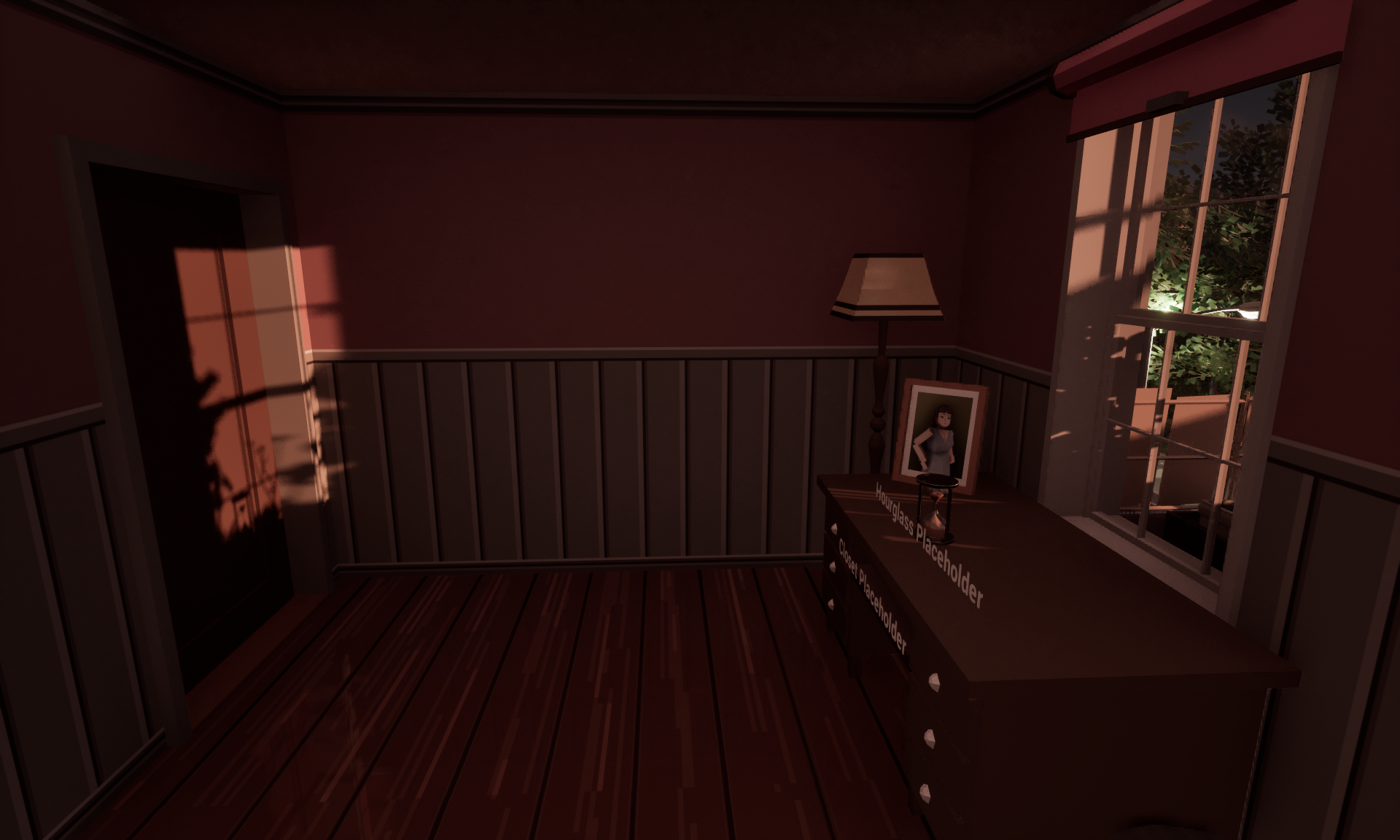
Home Scene – Initial Gameplay Placeholder Setup 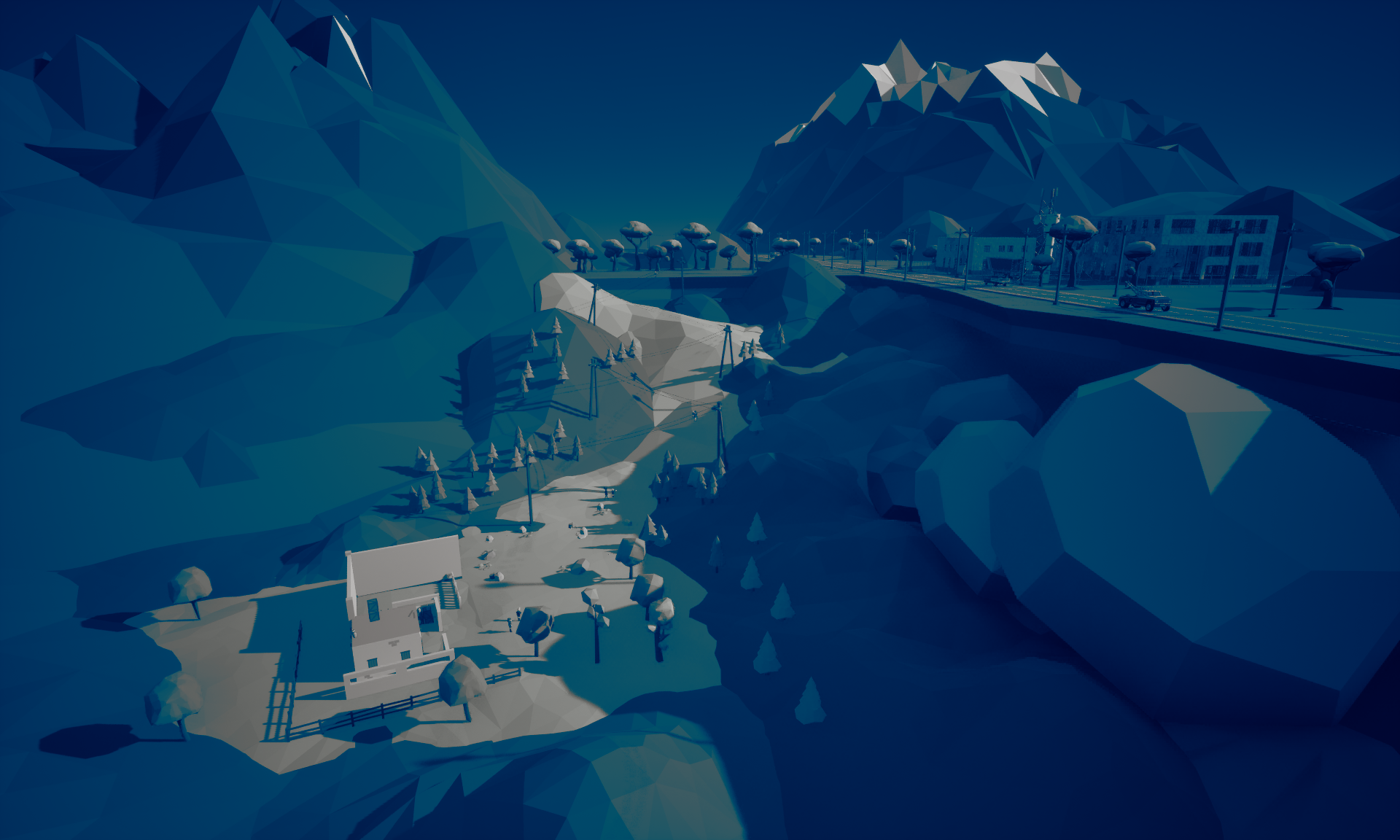
Factory Scene – Initial Gameplay Final Shader 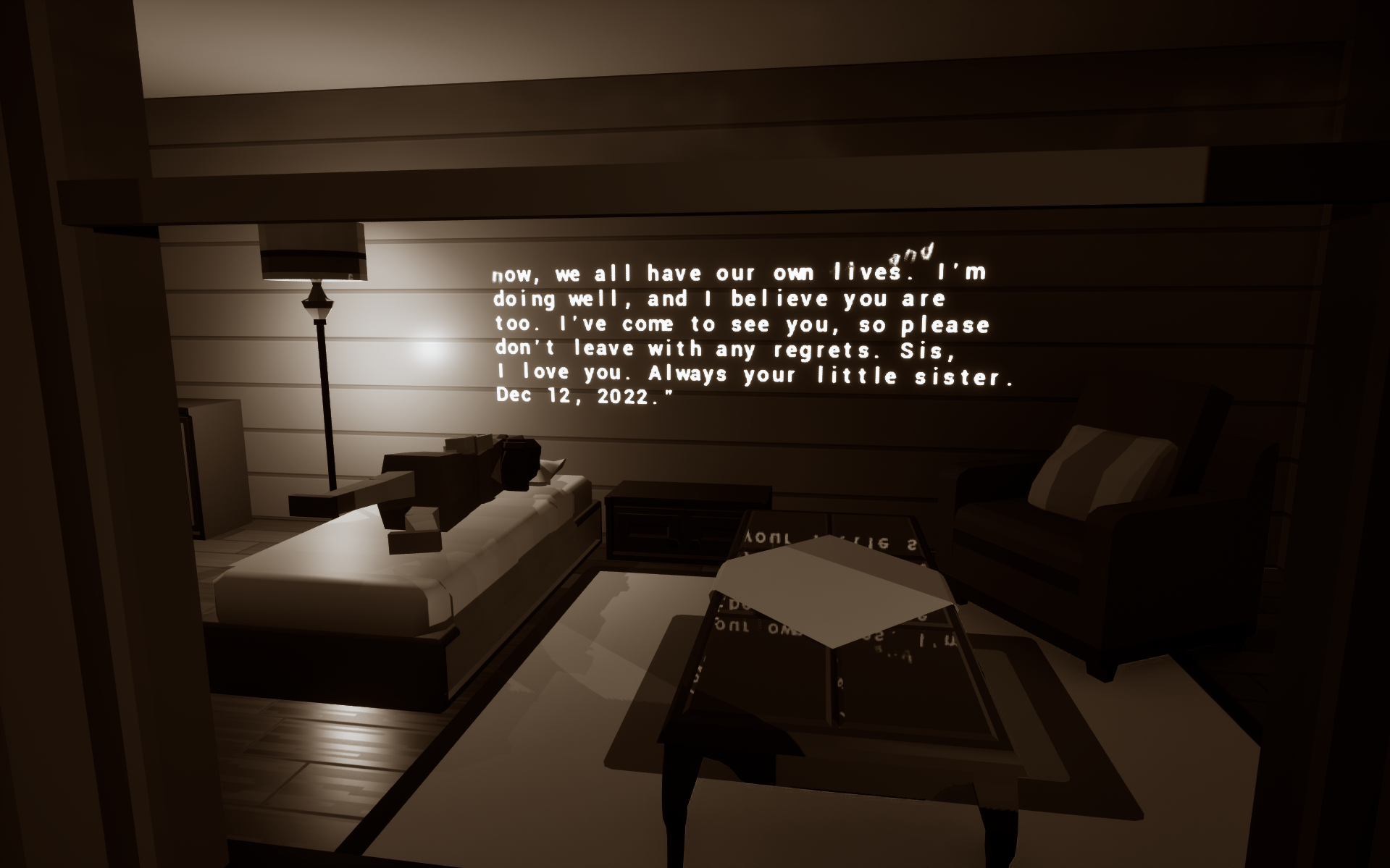
Hospital Scene – Initial Gameplay Placeholder Setup 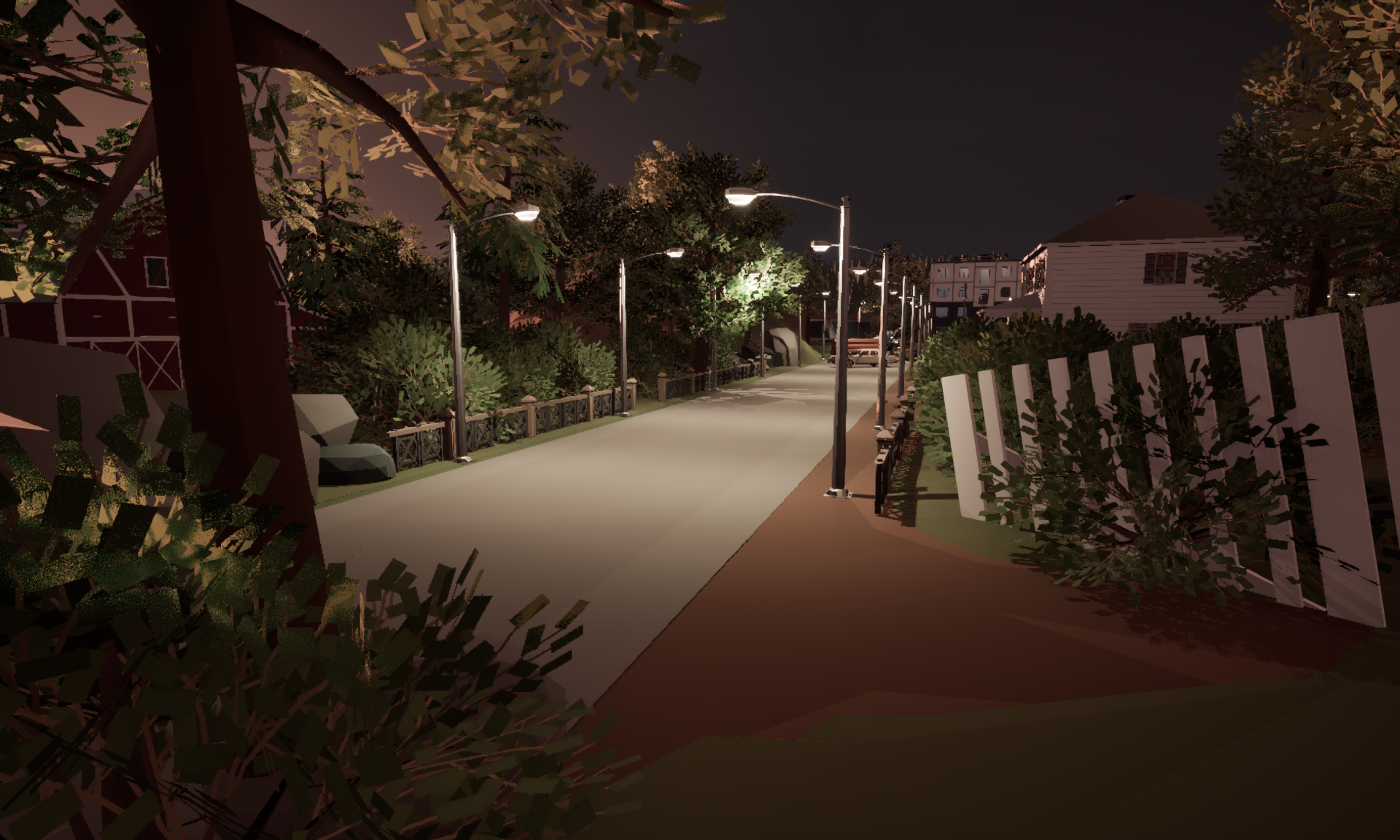
Home Scene – Gameplay Complete Milestone 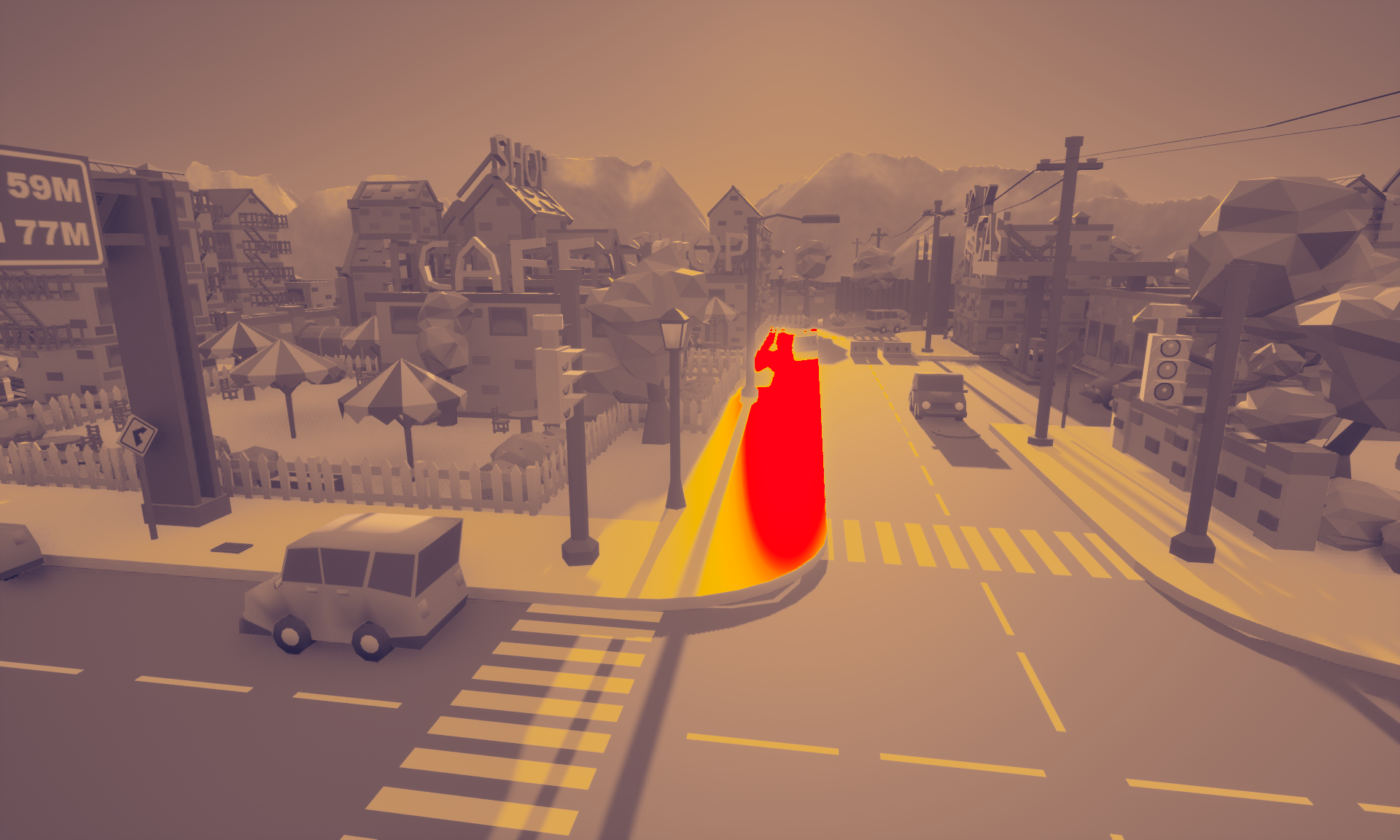
Town Scene – Gameplay Complete Milestone
Play The Game
Play on Steam.
Checkout my bookmark designs for the game! -> HERE
Download Level Design Document:
 Yuning "Anona" Yang
Leave a comment