
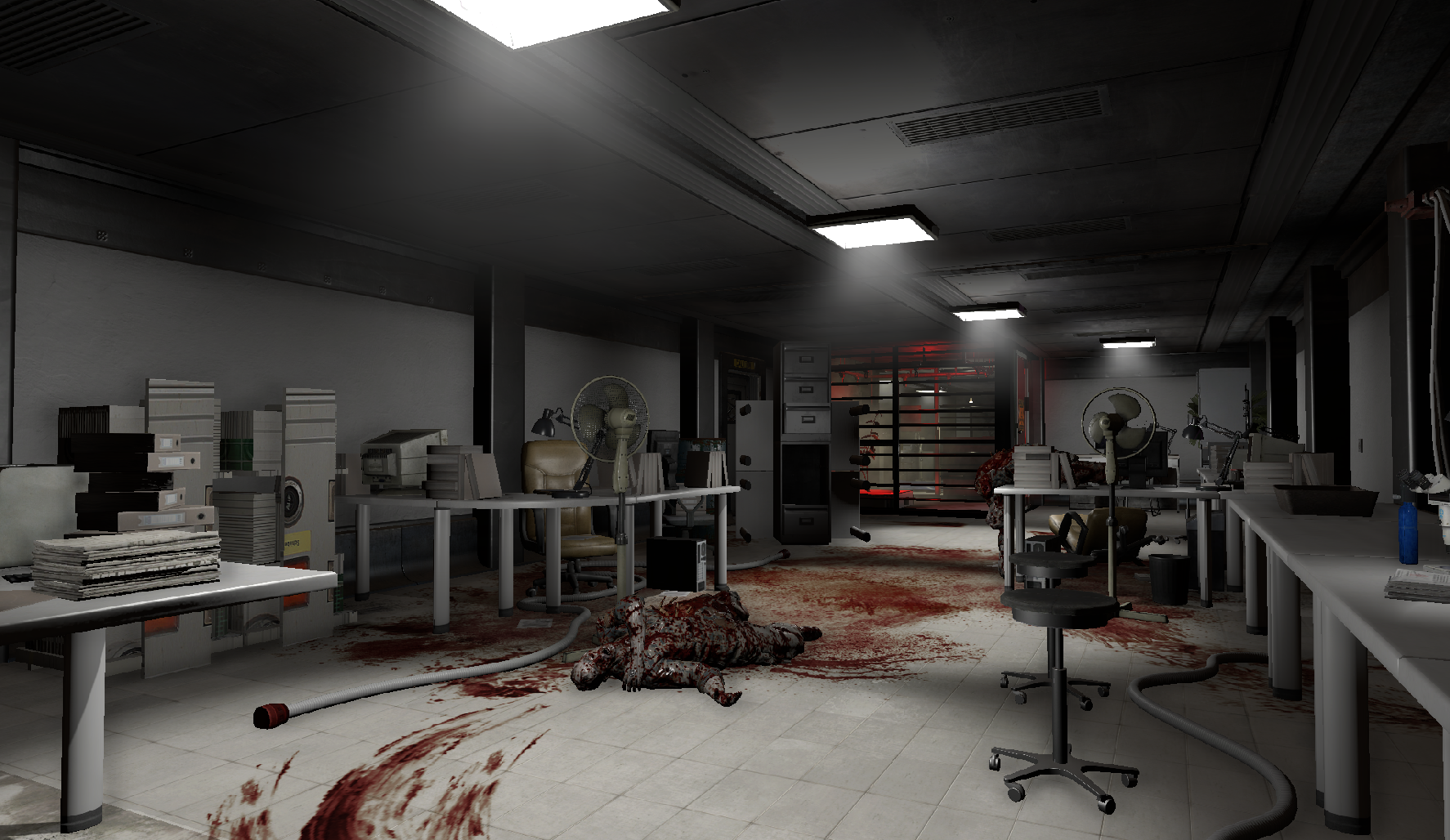
Reuse of Space
- Play on Steam
- Tool: Dying Light Developer Tool
- Platform: PC
- Gameplay time: ~30 min
- Team Size: Individual
- Development time: 18 weeks, ~180 hours in total.
Walkthrough
Summary
“The Critical Cure” is a custom standalone level created for the single-player, first-person survival horror game Dying Light. In this level, players assume the role of Crane, the protagonist, who receives a request from NPC Troy. The message reveals that Jonathan Blackwood, a wealthy bioscience company owner, is trapped in a hospital overrun by the infected. The player’s objective is to locate and assist Jonathan’s family and coworkers, who are scattered across the hospital, before their evacuation.
This level is an artifact created for my thesis topic – Best Practices: Reusing Space to Enhance Narrative Immersion. It is designed with a strategic connection between the narrative and the reuse of space. Tasked with finding Jonathan’s family members and coworkers, the player is guided by the narrative to constantly revisit spaces. As players fight through zombies and unlock new shortcuts, they become more familiar with the environment, uncovering new narrative beats along the way.
The researcher posits that by strategically requiring the reuse of space as a part of a game’s narrative can significantly enhance the player’s overall immersion in the level. The researcher identifies two key characteristics of effective reuse of space in relation to game narrative. Reuse of space needs to:
- Facilitate the Player’s Understanding of the Space: This aspect involves designing spaces that help players quickly grasp their layout, purpose, and connections to other areas, thereby aiding in navigation and comprehension.
- Provide a Smooth Gameplay Flow that Incentivizes Players to Visit Intended Spaces: This aspect emphasizes creating a seamless experience that encourages players to revisit specific spaces as they progress. By creating a smooth gameplay flow, the designer ensures the reuse of environments serves both narrative and gameplay objectives without disrupting the player’s engagement.
Mental Mapping
The process by which players come to understand a space can be closely tied to the concept of mental mapping. Mental mapping is a psychological process in which the human brain subconsciously creates maps to help visualize a spatial environment. These mental maps also allow players to understand how to interact with the environmental elements and objects by incorporating past experiences and preconceptions.
In level design, players gradually forming a mental map of the game space as they explore. The player’s mental map helps them understand the overall layout and how different locations are interconnected through repeated exposure and revisitation.

This is an overview map of the level, showing its various rooms and hallways.
The design aims to help players understand and navigate these spaces effectively.
Hub-and-spoke Layout
“Best Practice 1.1 – Employing a hub-and-spoke layout design provides a central reference point for players to build their mental map, allowing them to establish connections and label surrounding spaces effectively.”
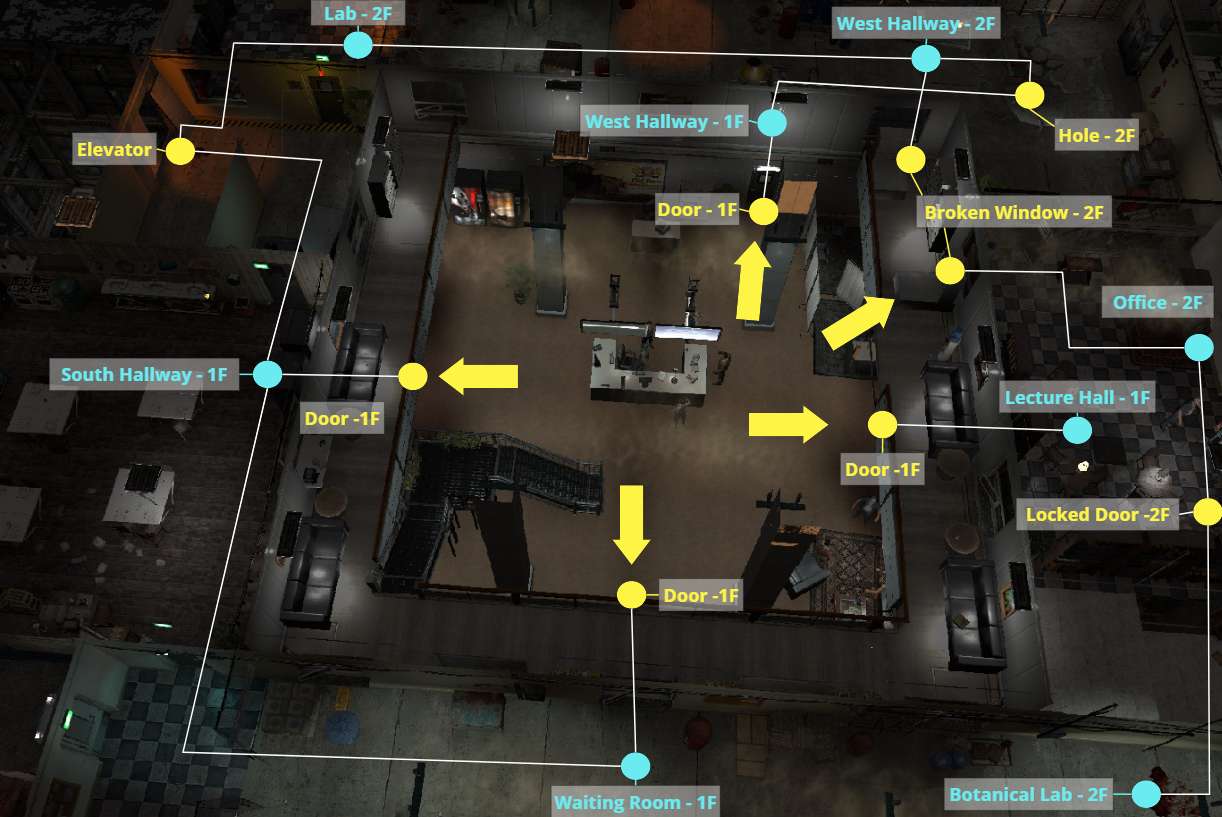
The hub-and-spoke layout allows players to return repeatedly to the same hub space, providing opportunities to understand the connections between spaces, with the hub serving as the foundation for mental mapping.
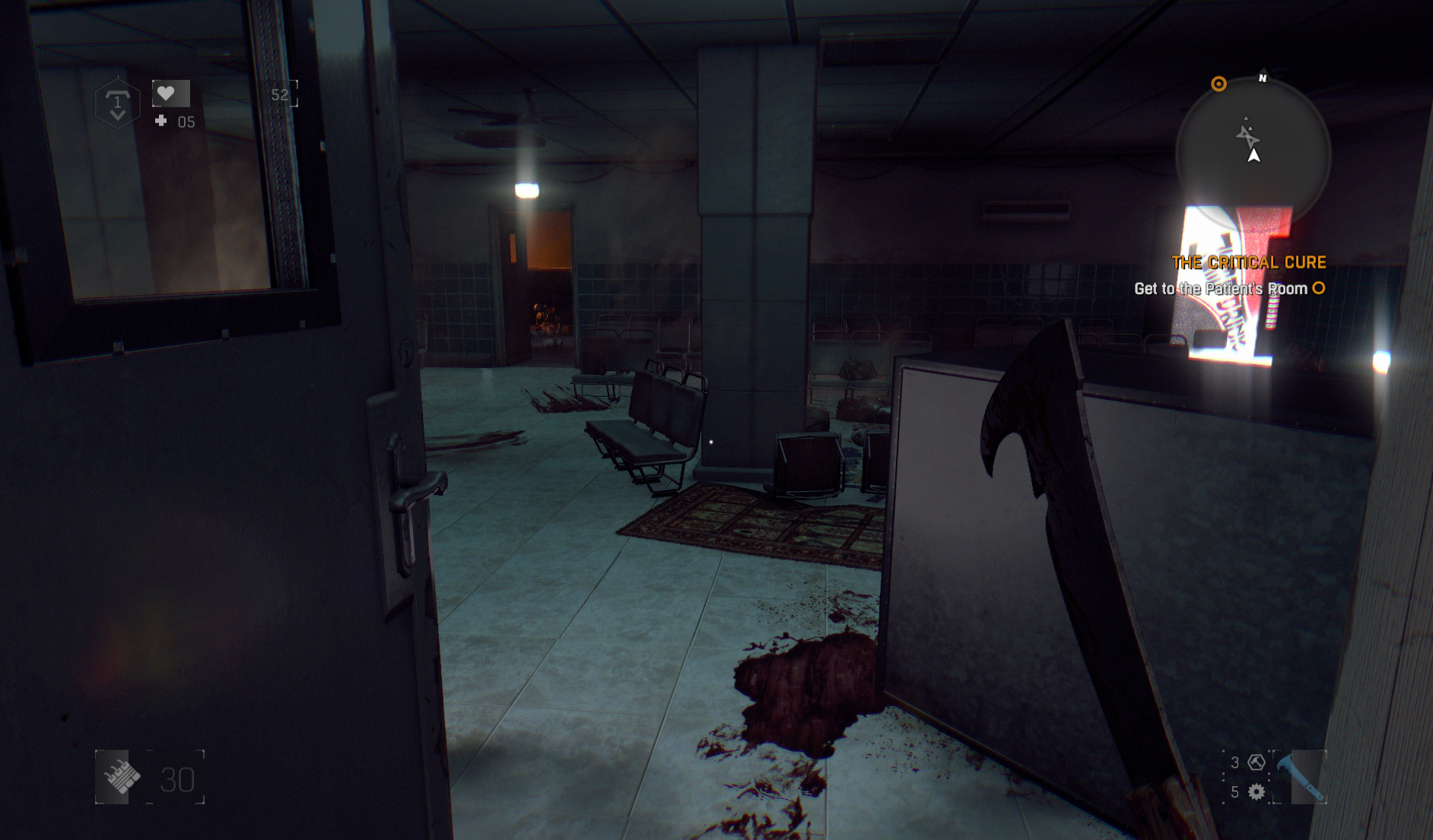
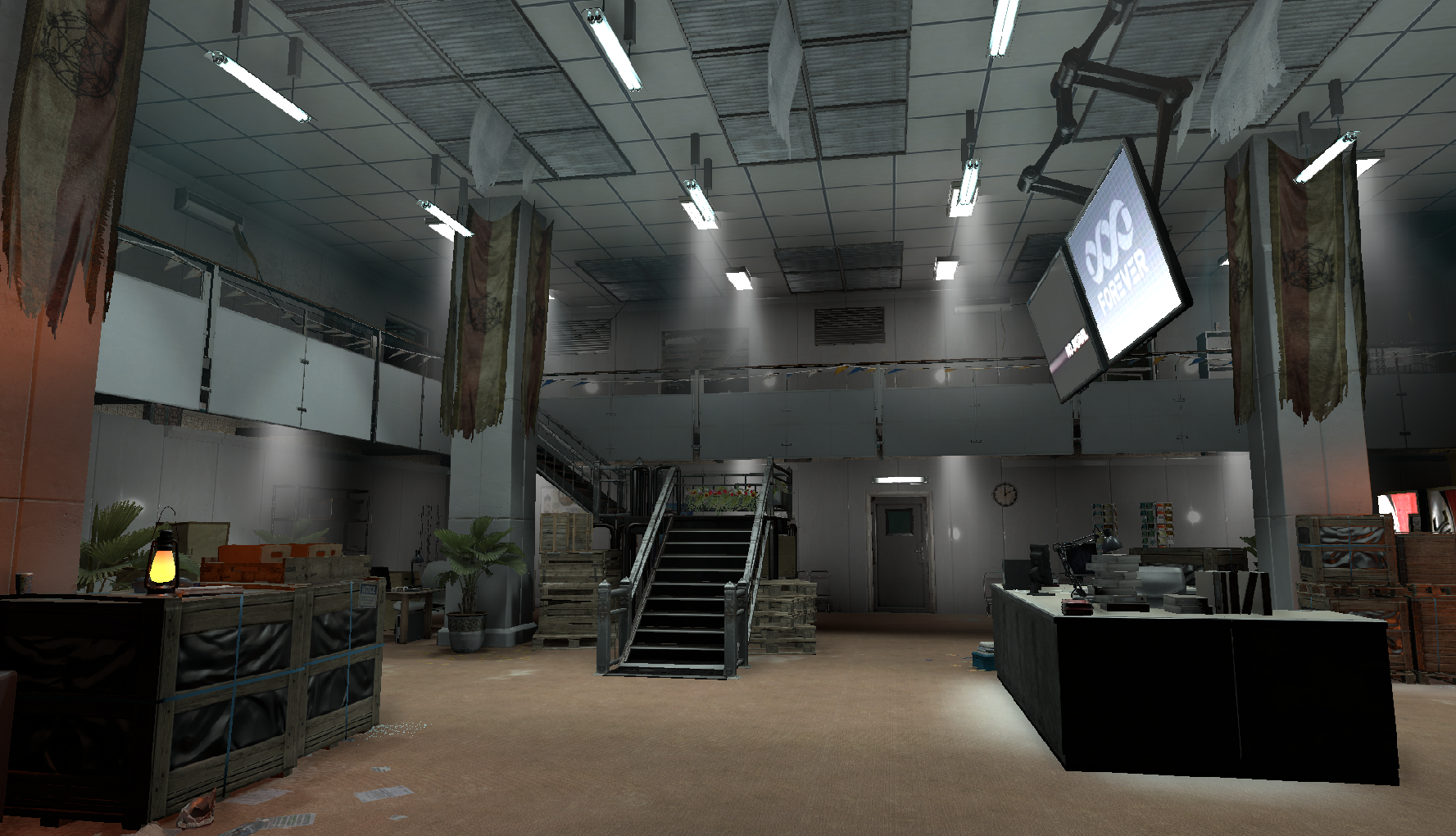
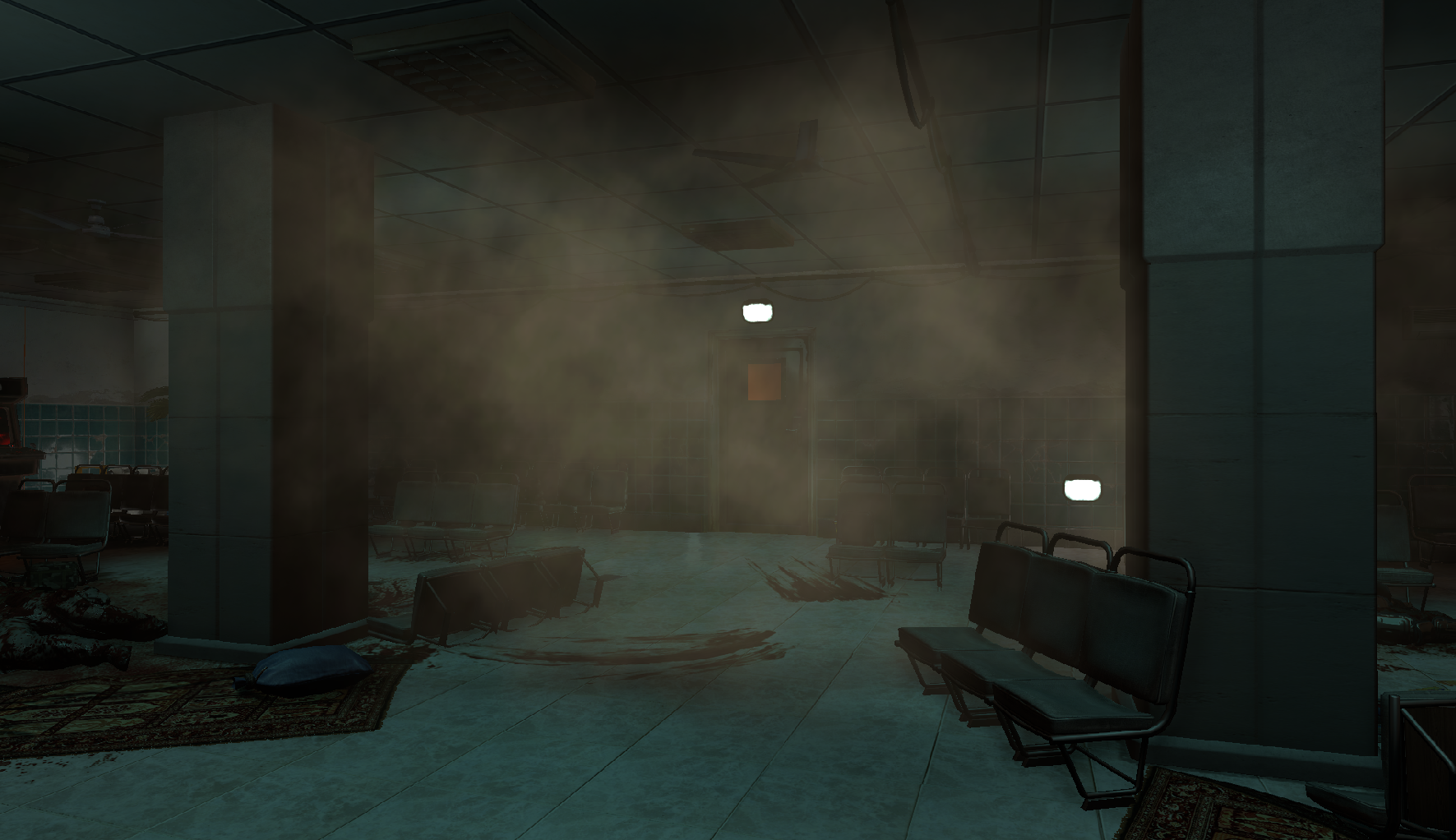
In this level, the Reception Hall is designed as the hub space, where NPCs use it as a safe spot to keep zombies away. This area allows the player to access most of the other locations in the level.
Below is a complete critical path walkthrough of the level. The quest repeatedly requires the player to venture outside to find other NPCs or retrieve objects, then return to the hub to interact with the NPCs.

Walkthrough 1: Level Start -> Clara need bandages -> Waiting Room -> Door stuck -> Find Alternate Route 
Walkthrough 2: Waiting Room -> Trash Room -> Extinguish fire 
Walkthrough 3: Trash Room -> Lecture Hall -> Talk to Jon in the Storage Room -> Meet Eleanor in the Reception Hall ->Eleanor worries about students trapped in Operation Wing -> Patient’s Wing 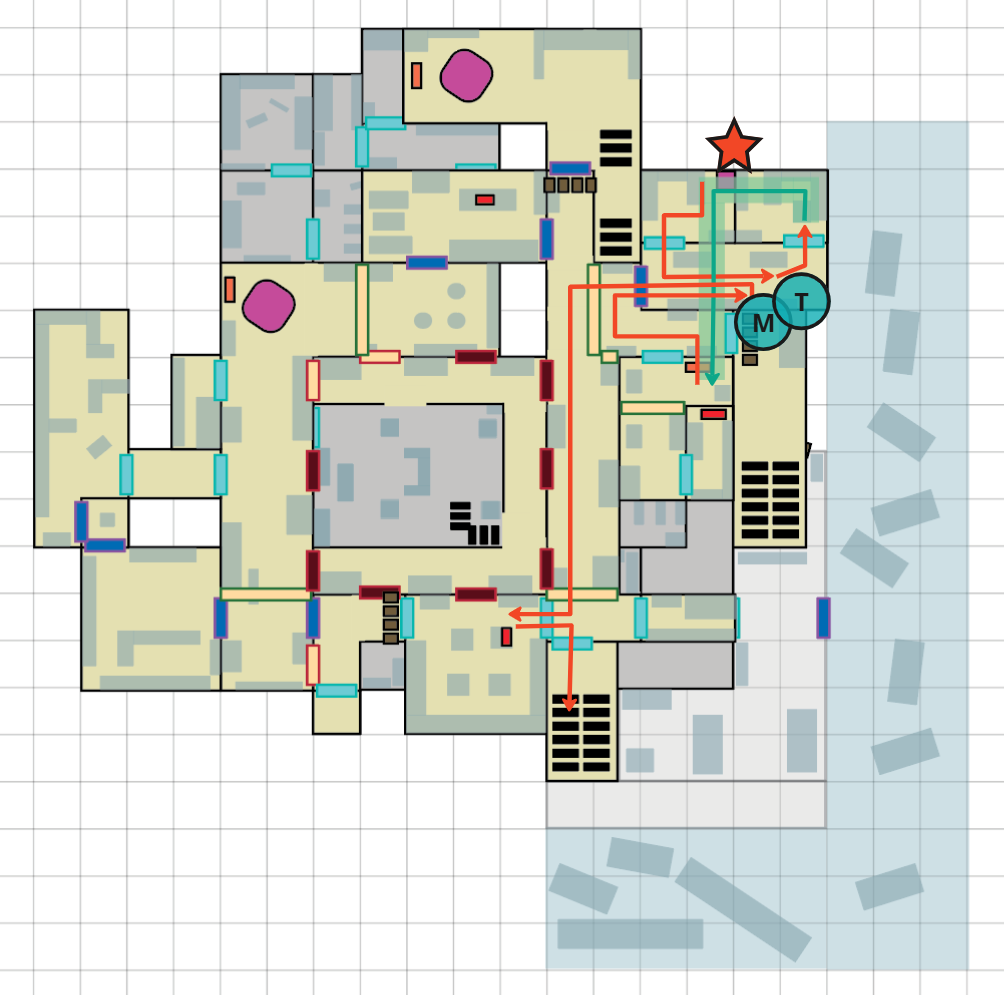
Walkthrough 4: Patient’s Wing -> Operation Wing -> Restore power in Botanical Lab -> Find student’s belongings in Cafeteria 
Walkthrough 5: Get back to Reception Hall -> Jon needs to find Eldric in the Lab 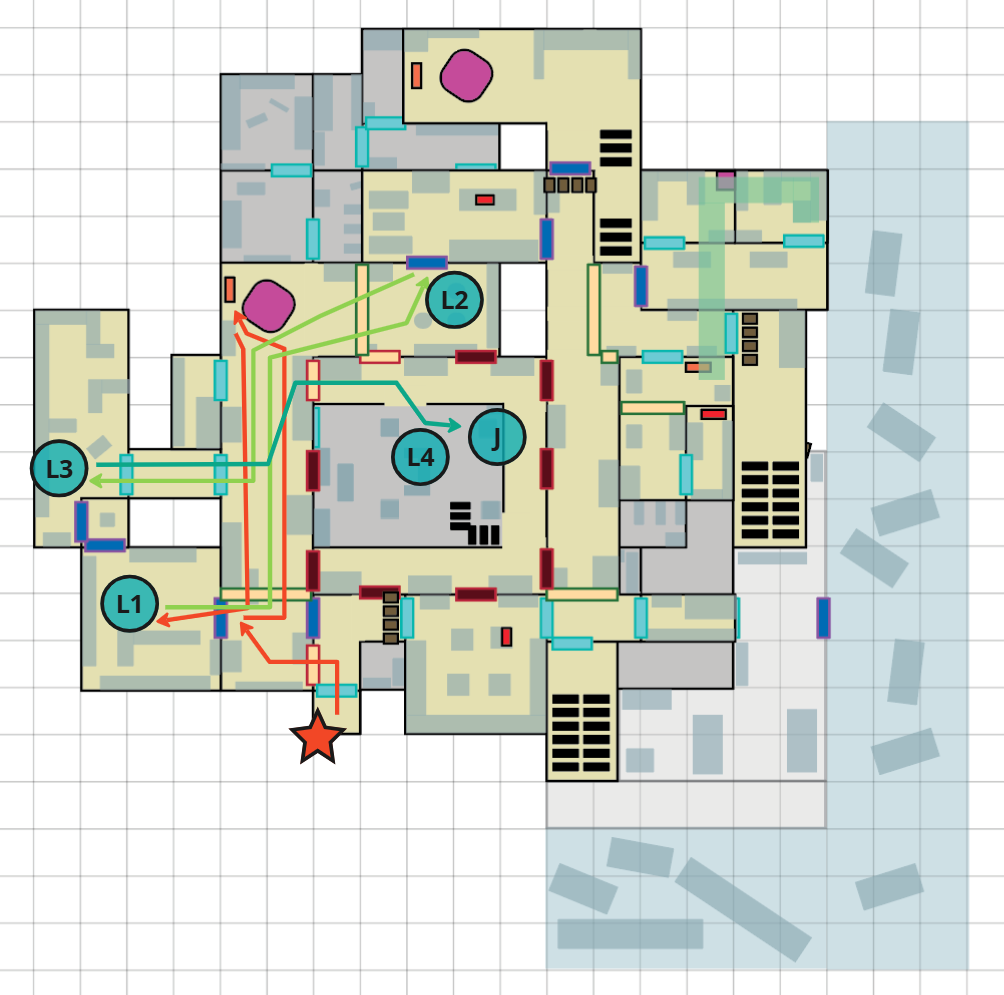
Walkthrough 6: Eldric is trapped in the Lab by fire and zombies -> Extinguish the fire -> Help Eldric look for an important document in Office, Lab -> Get back to Reception Hall 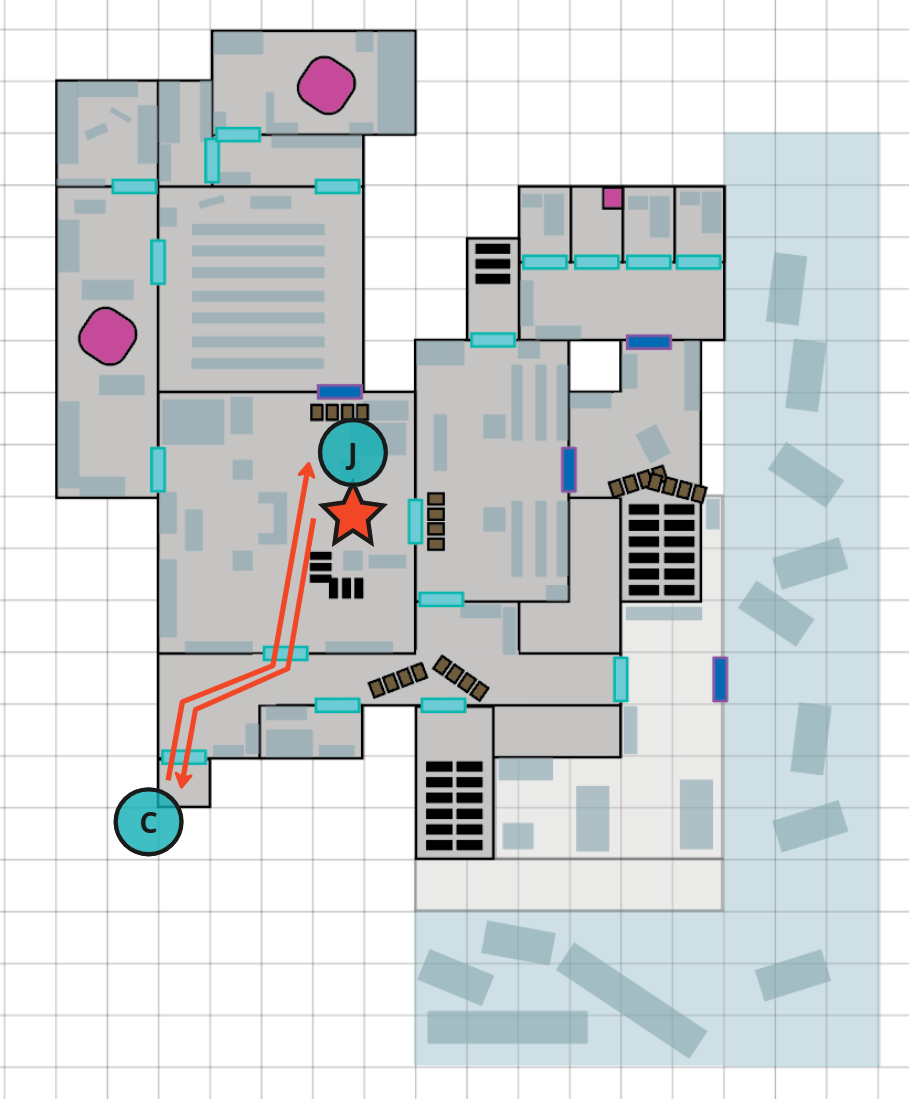
Walkthrough 7: Talk to Jon -> Clara yelling for help in the elevator -> Kill zombies to help Clara get out 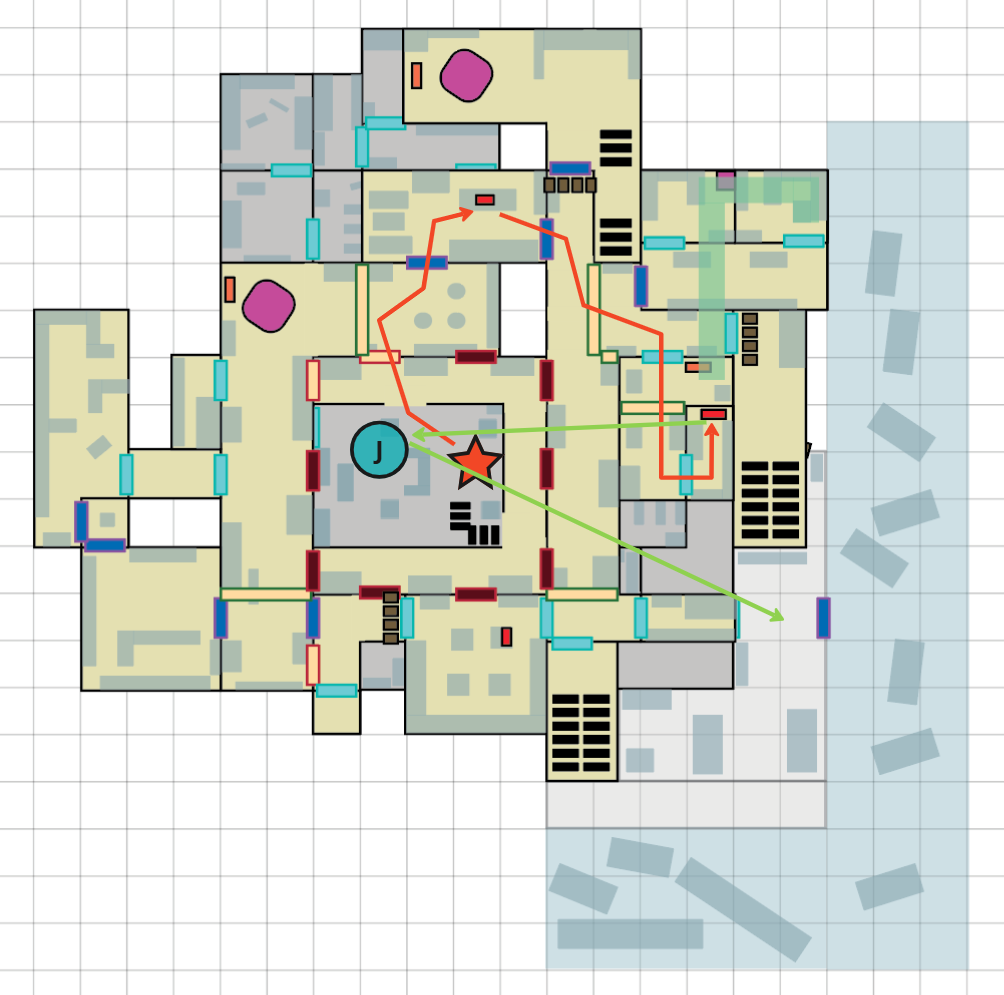
Walkthrough 8: Get back to Reception Hall -> Jon needs to retrieve the important document -> Grab key in the previously locked Office -> Retrieve document from the locked box in Botanical Lab -> Get back to Reception Hall -> Exit the hospital
Spaced Learning
“Best Practice 1.2 – By providing players with opportunities to visit the same space multiple times at appropriate intervals, they can create a mental map of the game world and better understand its structure through repeated exposure.”
The human brain is constrained by the limitations of short-term memory, which can only store a small amount of information and maintain it for a brief period. To transfer knowledge into long-term memory, individuals may employ the technique known as Spaced Learning. The Introduce, Reinforce, Master (IRM) Framework serves as an effective method for repeatedly presenting the locations to them. For the purpose of this study, the researcher examines the relationships between the reuse of space and game narrative and defines the steps of the IRM Framework as follows:
- Introduce: The player learns about a location from a non-player character (NPC) or previews a new area without directly entering it.
- Reinforce: The player visits a location for the first time.
- Master: The player navigates to revisit a location and/or unlocks a shortcut along the way.
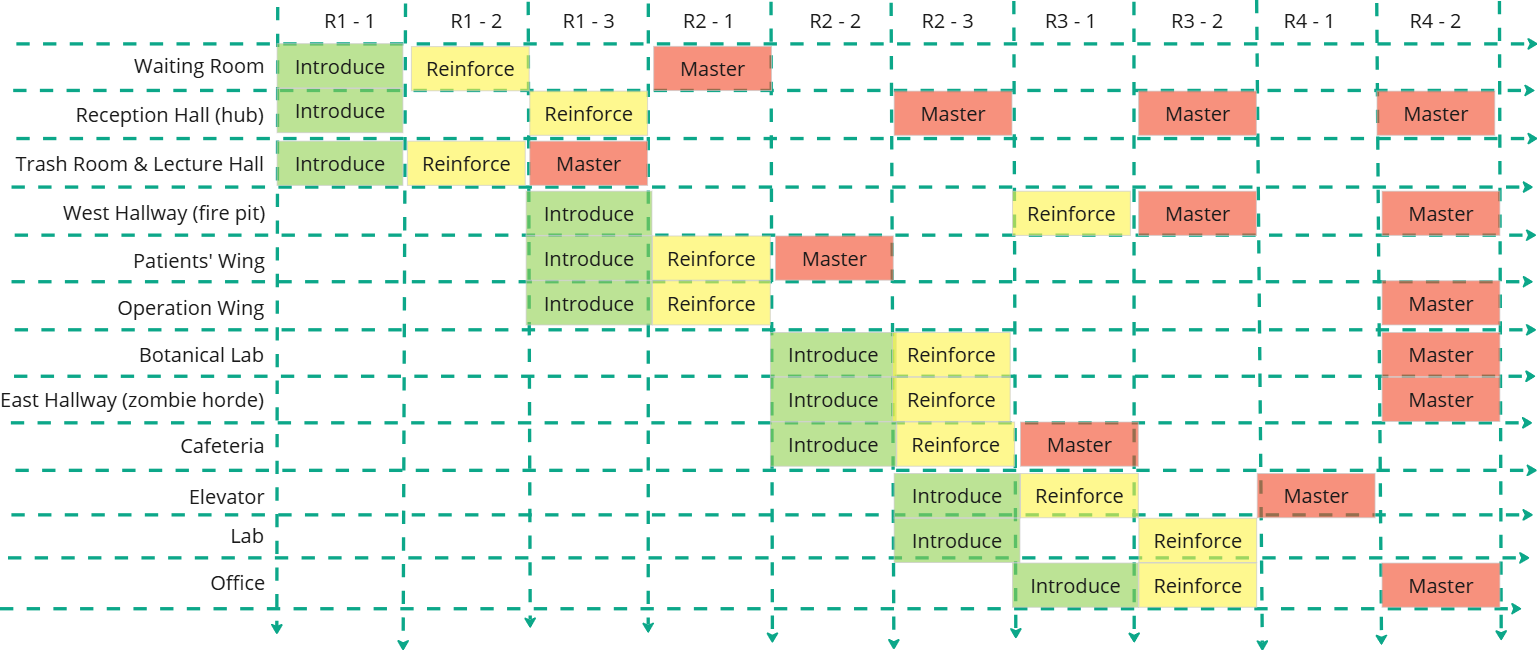
Through narrative-driven objectives, NPCs introduce Crane to most locations in alignment with the quest progression.
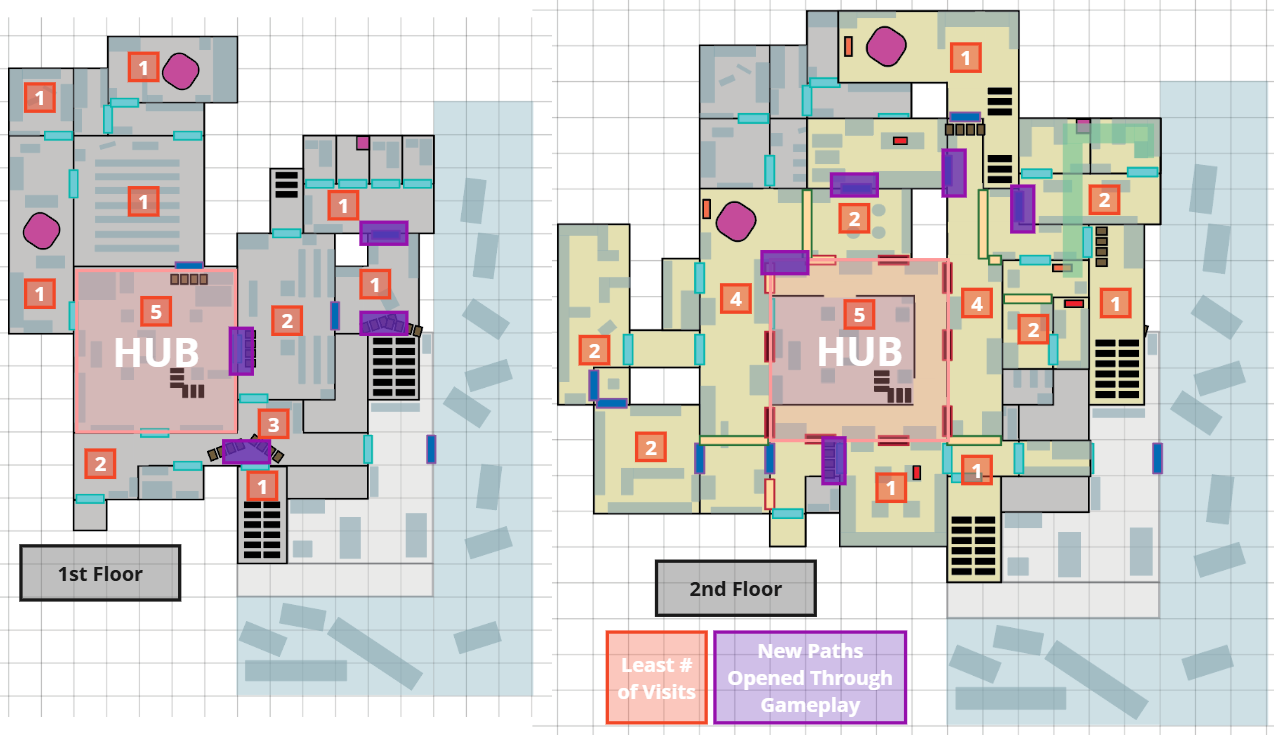
On the left is a hotspot map showing the frequency of visits. Since players may choose to explore areas beyond the critical path, some locations might be revisited multiple times.
Nearly all areas are revisited at least twice—either as part of a quest objective or as a shortcut—ensuring the player gradually internalizes the layout while reinforcing their familiarity with key spaces.
Thematic Affordances
“Best Practice 1.3 – Clearly defined spaces and distinct thematic affordances help players understand their location and label it accurately in their mental map.”
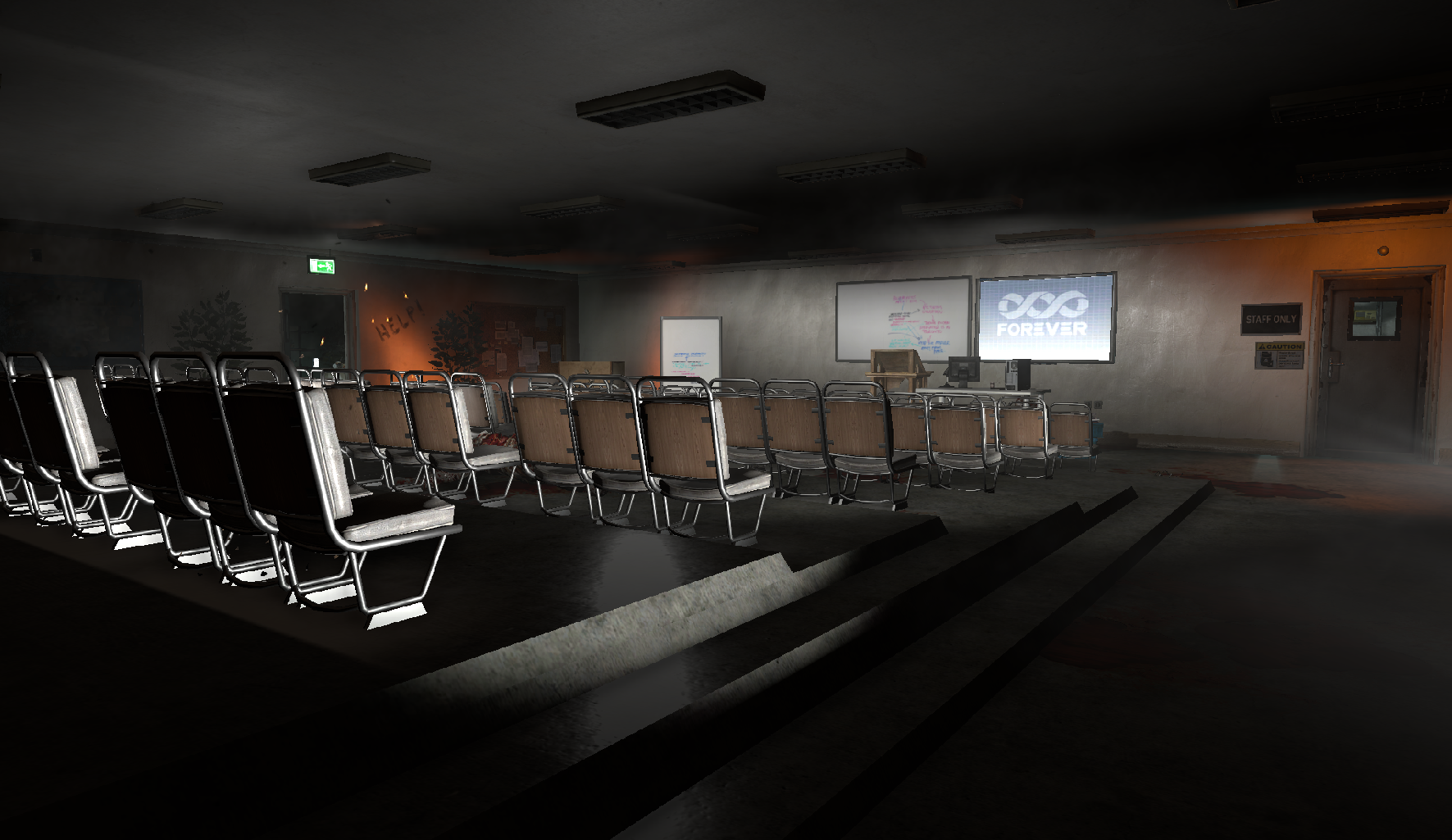
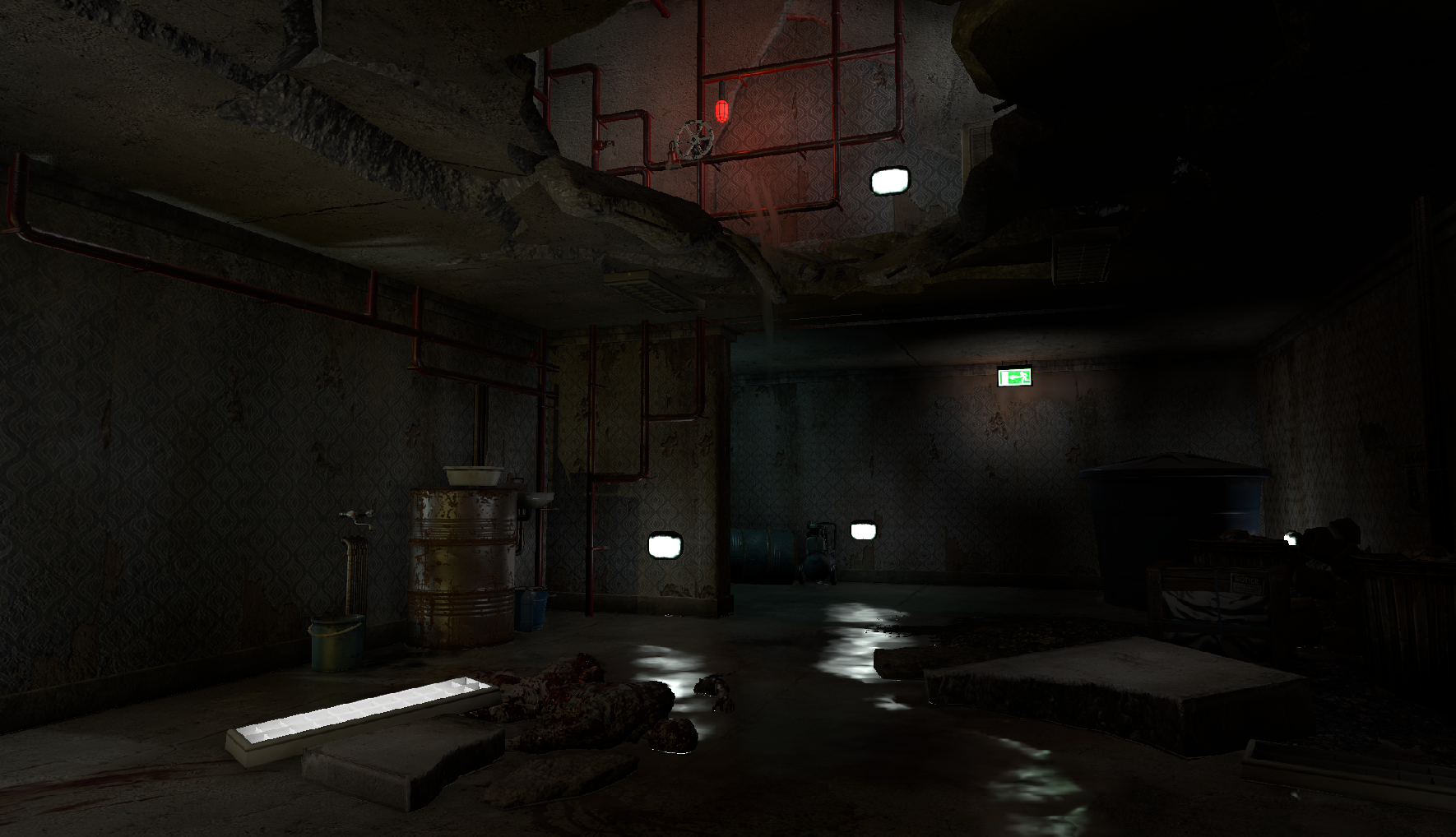
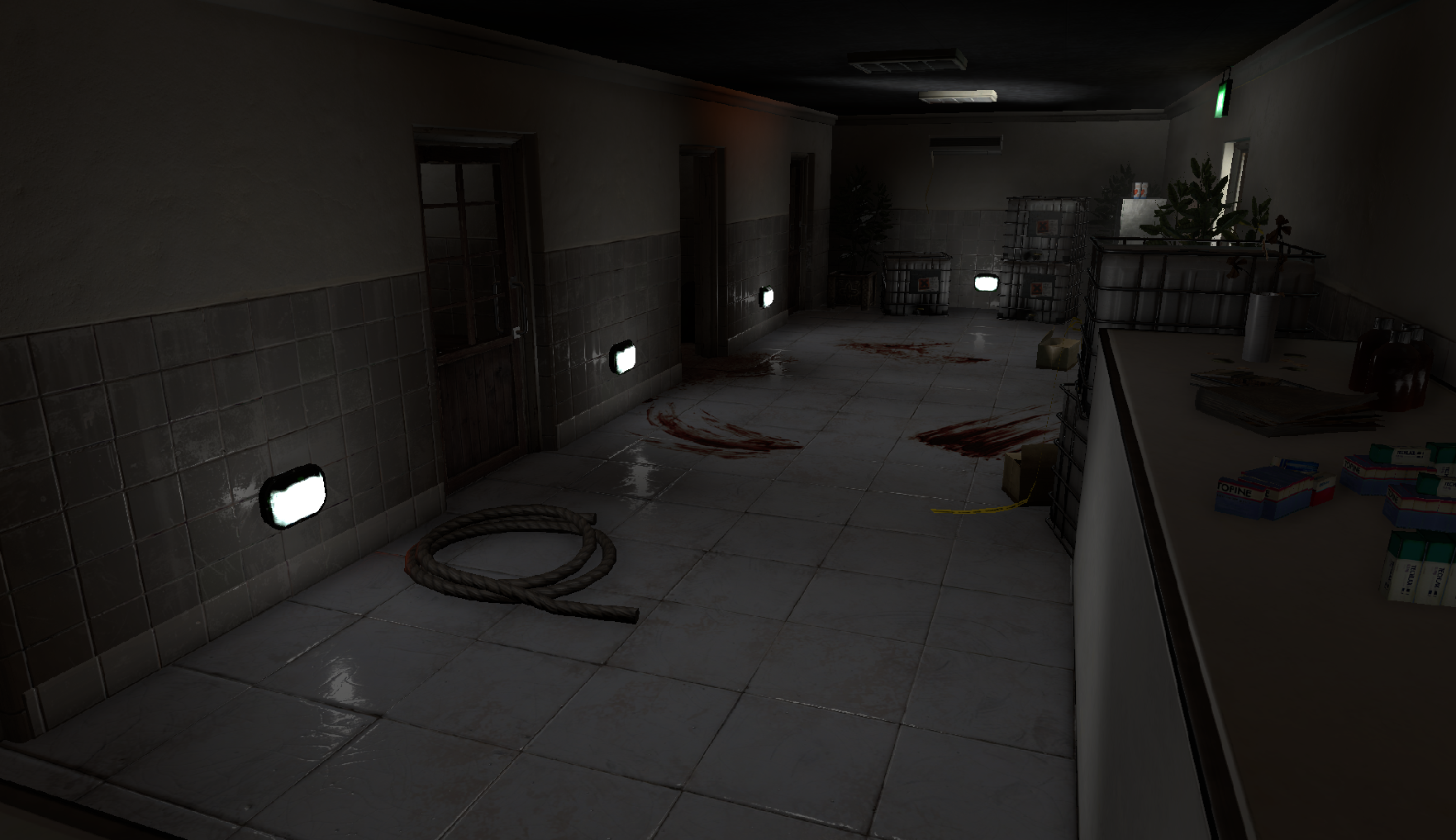
Both the Lecture Hall and Trash Room feature unique environmental decorations that serve as thematic affordances, helping to communicate their functions and aiding the player in recognizing and remembering these locations.
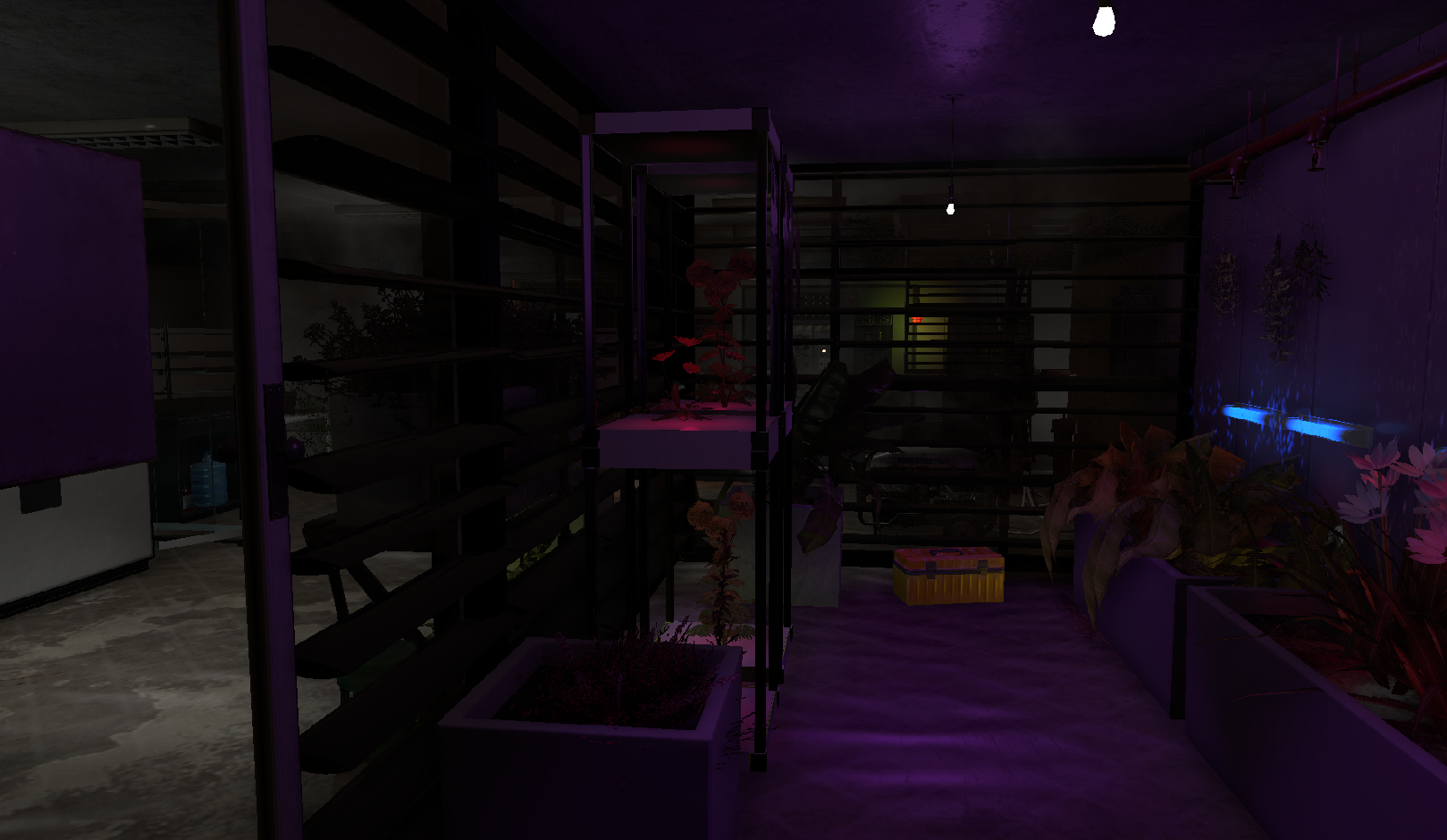
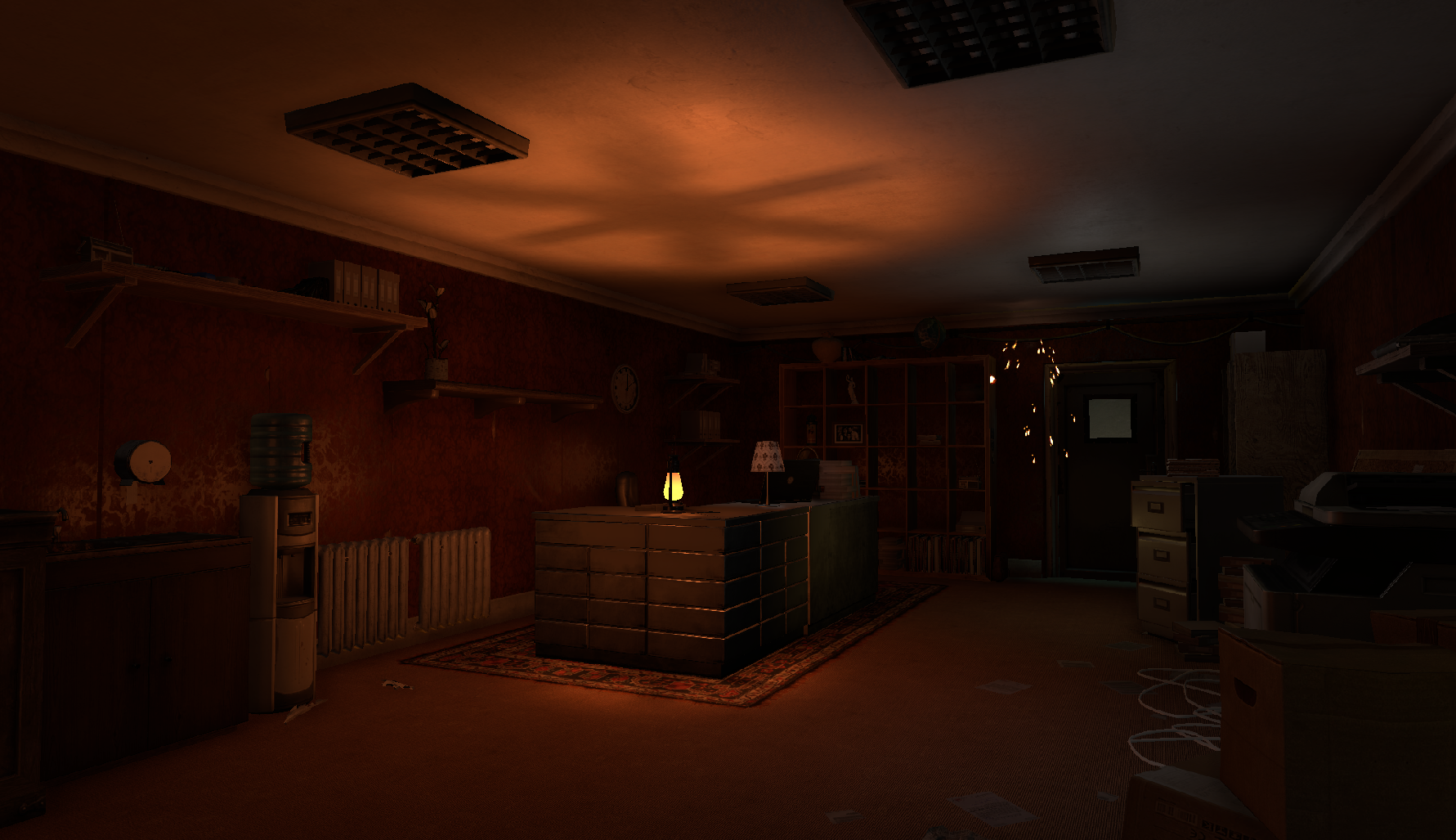
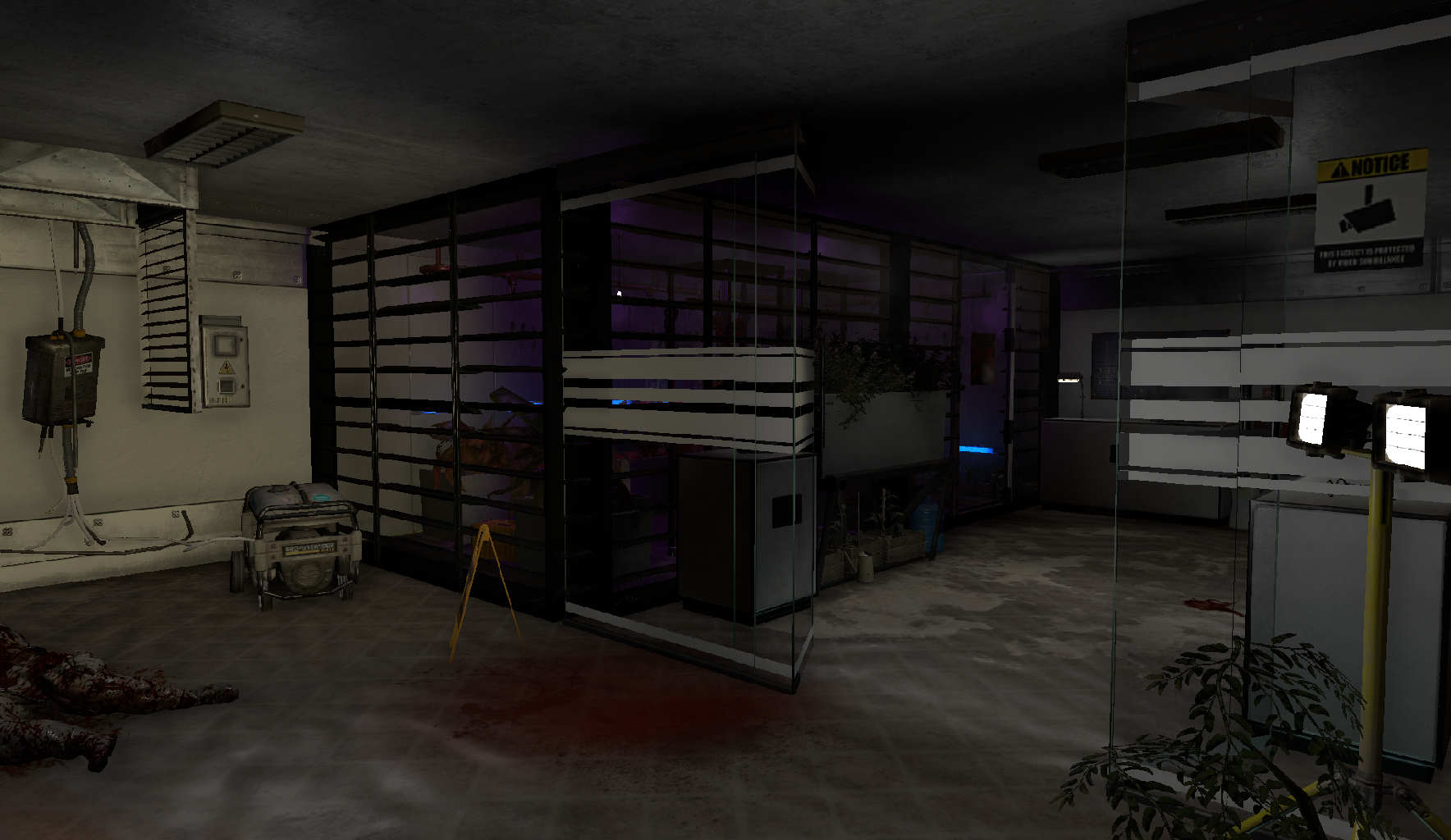
As two of the most crucial locations in the game, the Office and the Botanical Lab play a key role in the player’s objectives. The Office hides the key to a locked box in the Botanical Lab, which contains the Protocol document.
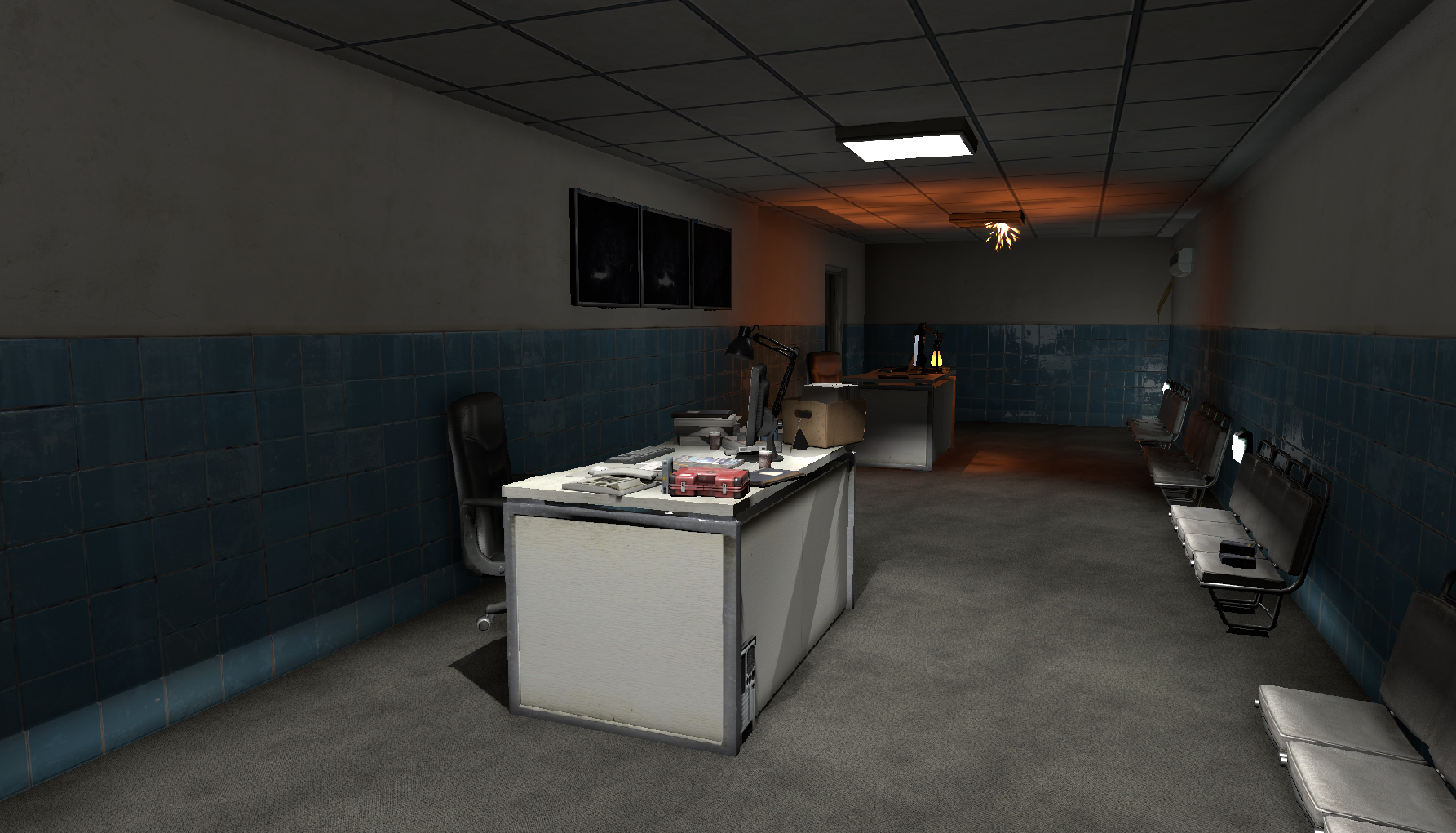
To ensure these locations leave a strong impression on the player, they are designed with distinct visual elements. The Office features unique furniture and warm lighting, while the Botanical Lab is illuminated by ultraviolet lights and filled with lush plants. These thematic affordances not only make the spaces memorable but also help guide the player’s navigation and reinforce their importance within the narrative.
Flow
According to Mihaly Csikszentmihalyi, a person enters a flow state when the person engages with a manageable task that aligns with their current skill level. To encourage players to enter a flow state in a game, several key elements are essential:
- Immediate feedback on the player’s actions to maintain engagement
- Deep player immersion in the gameplay experience
- Clearly defined objectives to guide player actions
- An optimal balance of challenge that matches the player’s abilities
For this level, narrative signifiers and breaking of consistency are utilized to provide the player a smooth gameplay flow with clear objectives introduced at first place, and new gameplay to keep them engaged when they revisit a space.
Narrative Signifier
“Best Practice 2.1 – The narrative should include significant signifiers to motivate players to visit or revisit specific spaces.”
Narrative signifier is defined as a significant narrative decision, subversion, or event that unfolds within the level because of the player’s actions or impact. The signifier creates a compelling reason for them to visit a specific space. Here are a list of examples:
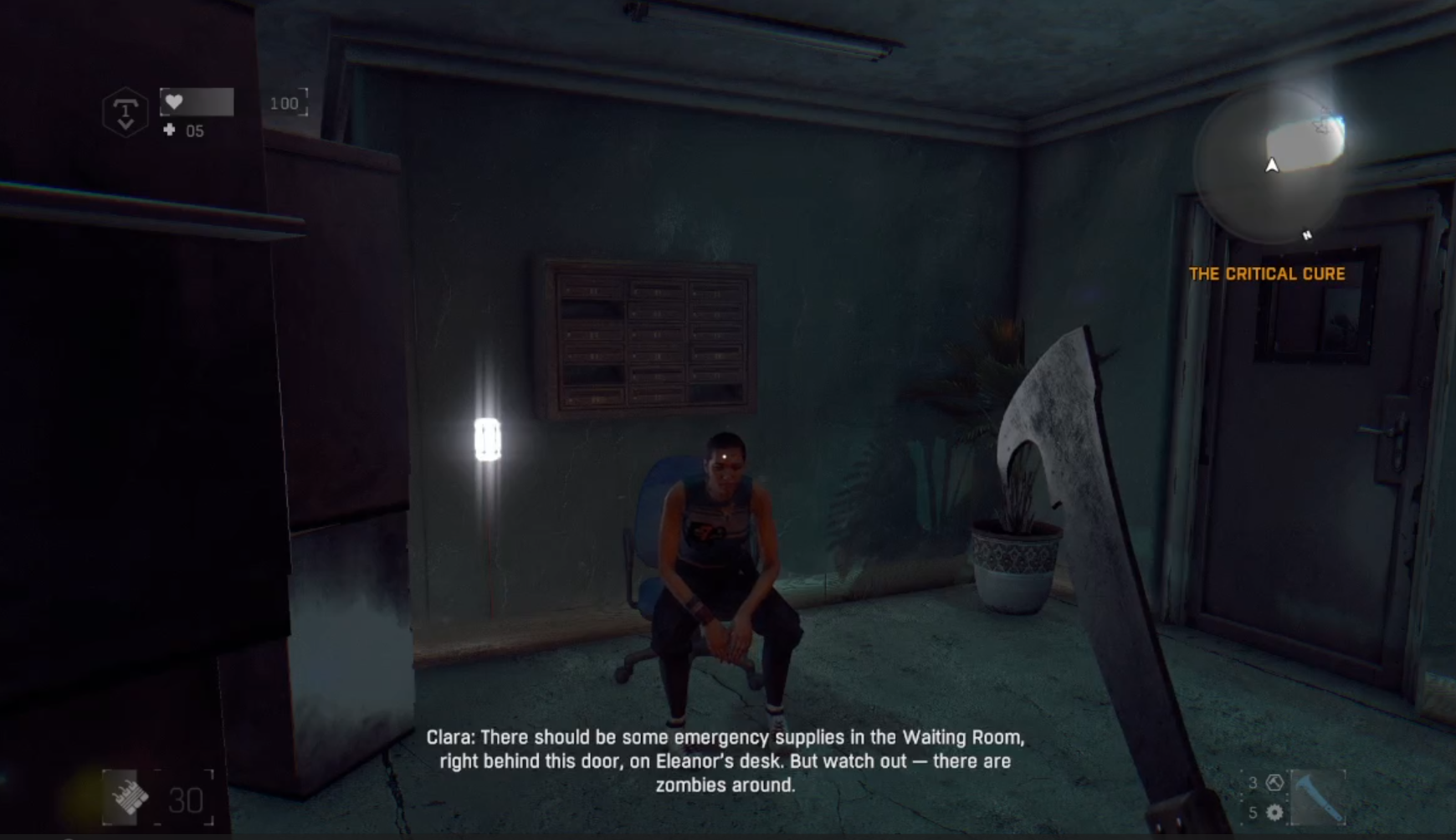
- Clara → Find alternate path:
- Introduces multiple spaces and directs Crane into the hospital.
- Introduces environmental storytelling as Clara manipulates pathways.

- Eleanor → Students are trapped in the Operation Wing:
- Introduces a rescue mission that expands exploration to the second floor.
- Leads Crane to the new shortcut leading to the Waiting Room.

- Students → Left belongings in Cafeteria:
- Encourages further exploration and ties into Clara’s hidden actions.
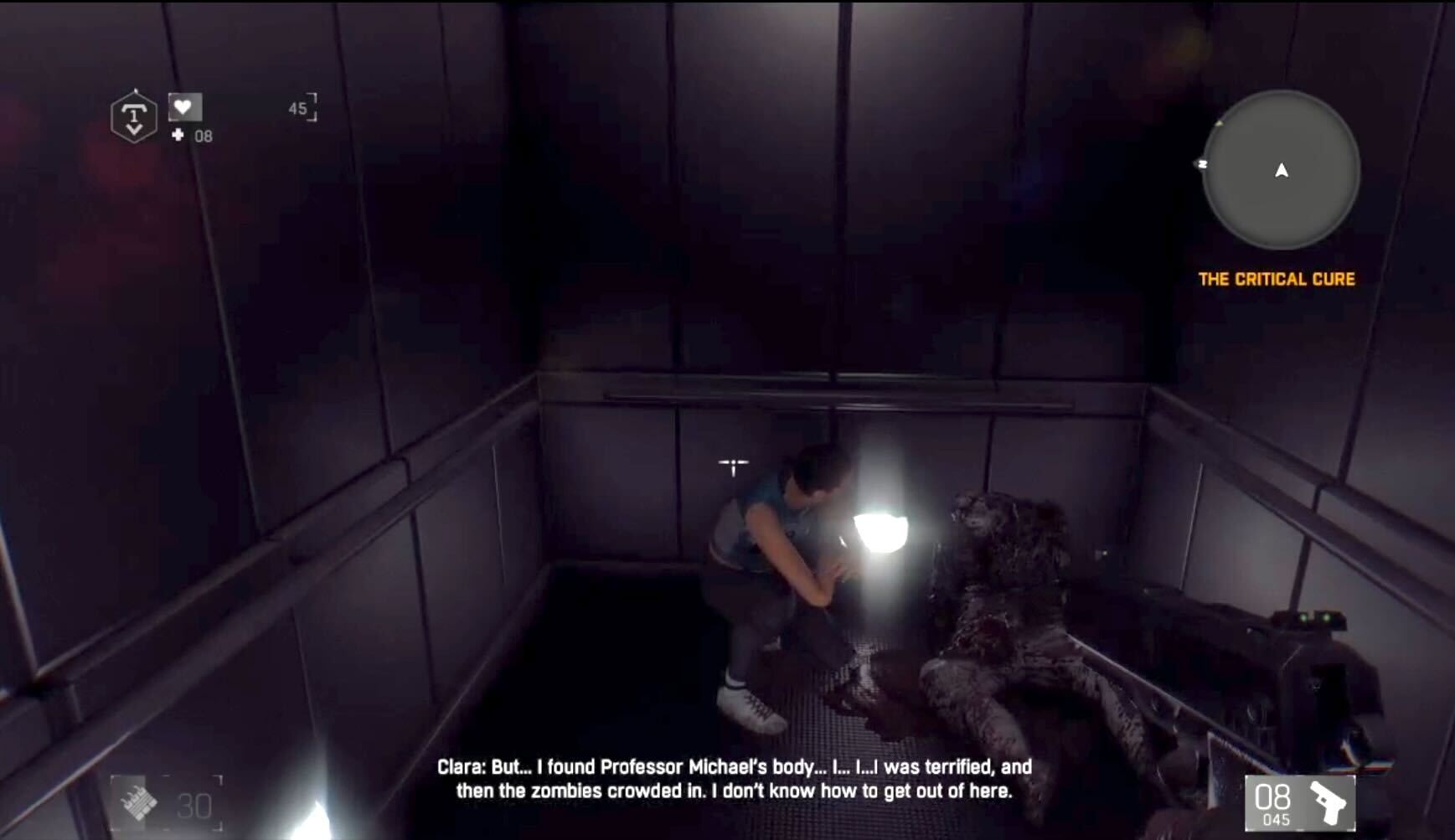
- Clara → Needs help in the Elevator:
- Provides an unexpected discovery (Michael’s body) that gives more context to the story.
- Revisits the elevator area with new narrative significance.
Breaking Consistency
“Best Practice 2.2 – Breaking consistency in reused spaces can introduce new gameplay experiences and maintain player engagement.”
Breaking consistency can offer unexpected twists that enhance the player’s experience. To effectively incorporate this technique, designers can follow these steps:
- Establish the player’s understanding of the world’s rules early on.
- Break the rules at a critical moment to create a narrative or gameplay impact.
- Maintain consistency with those rules throughout the game.
In this level, the breaking of consistency is achieved through several different ways:
Shortcut Creation (Encourages efficient navigation & reinforces world reactivity)
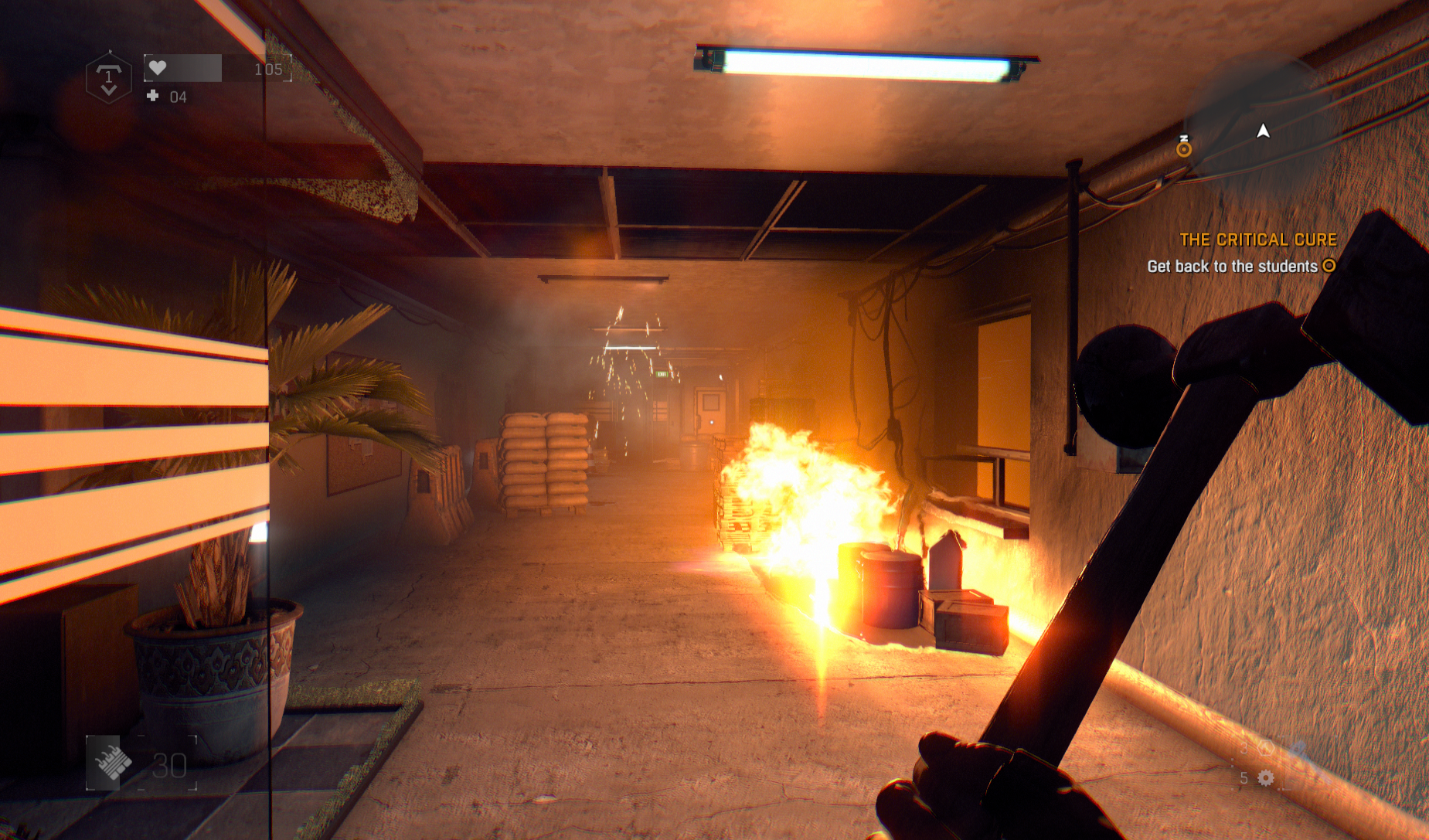
Vending machines tipping over (Explosion) → Opens a previously blocked doorway, guiding players naturally.
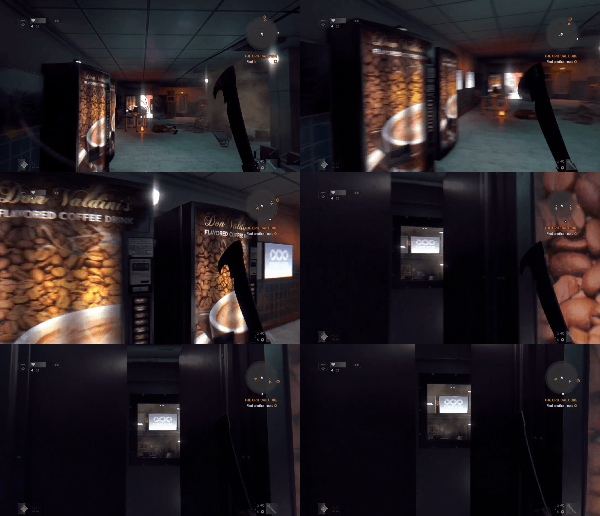
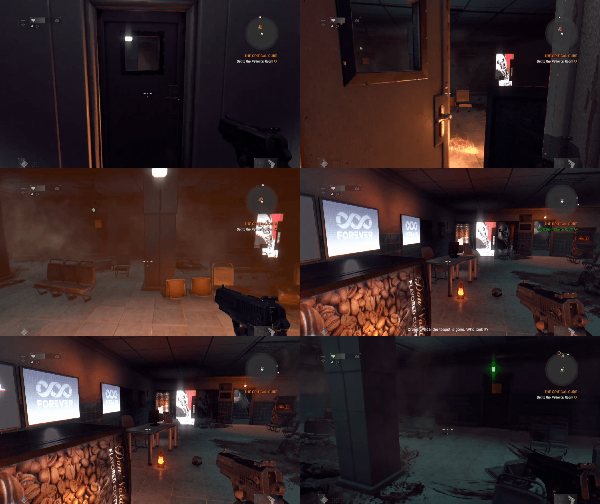
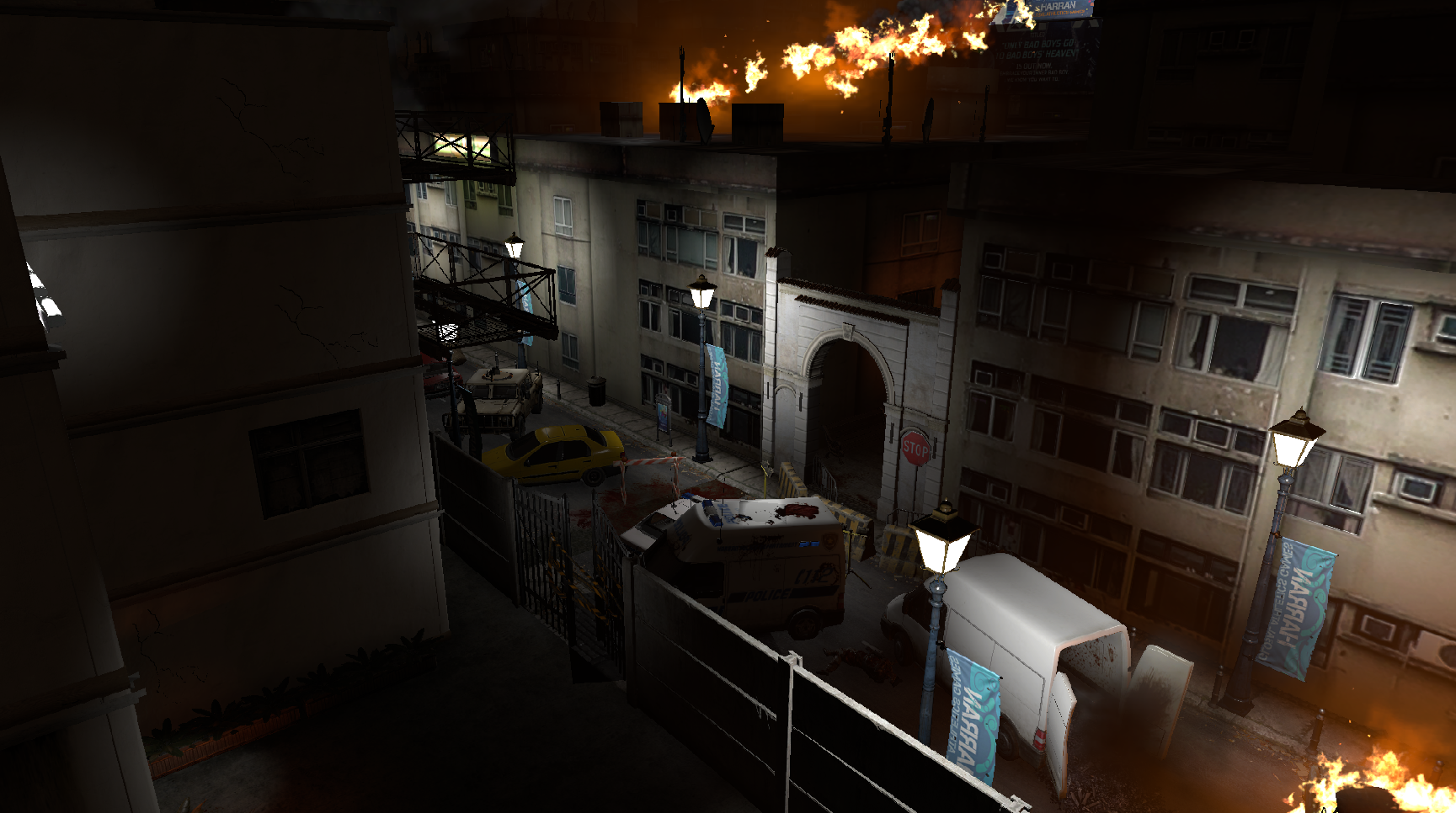
Windows breaking (Explosion) → Creates an alternative route, allowing players to loop back efficiently.

Shelves moved away (by Clara) → Reinforces Clara’s agency in the environment, making the world feel dynamic.

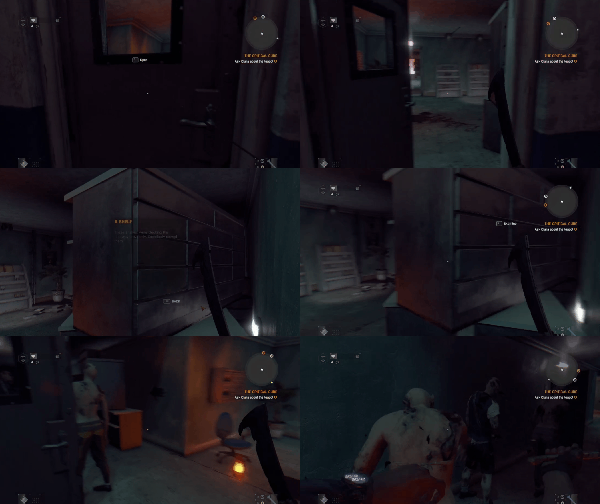
Fire extinguished, hole traversable → Encourages revisiting areas with new accessibility, expanding exploration
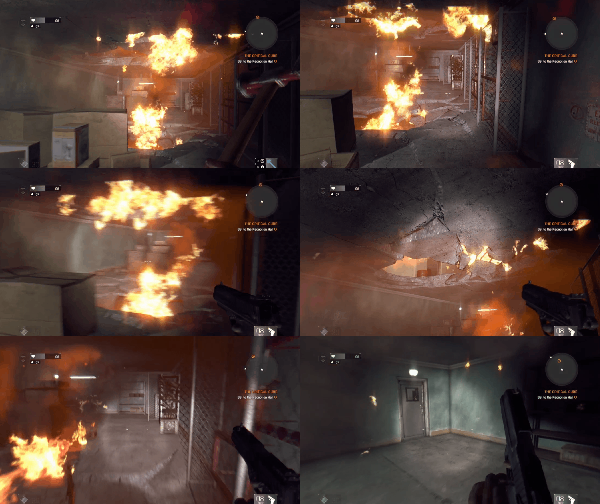

Environmental Changes (Encourages environmental storytelling & player curiosity)
- Important Objects Moved Away (Teapot disappearing from Waiting Room and reappearing in Cafeteria) → Subtly hints at Clara’s involvement, provides a small mystery that connects multiple spaces, encourages players to pay attention to changes in the environment.
- Player Interaction (restores power in the Botanical Lab, then the 2F East Hallway is lit) → provide positive feedback and help the player to engage in the gameplay.
Preview Unreachable Quest Goal (Builds anticipation & reinforces narrative structure)
Protocol document locked in Botanical Lab (Requires key from Office) →


- Provides a reason for players to return later with new knowledge.
- Introduces an early narrative signifier, making the goal feel integrated into the world.


Gallery
Play The Level
Visit steam workshop page to play!
Checkout the postmortem here.
Download Level Design Document:
 Yuning "Anona" Yang
Leave a comment