
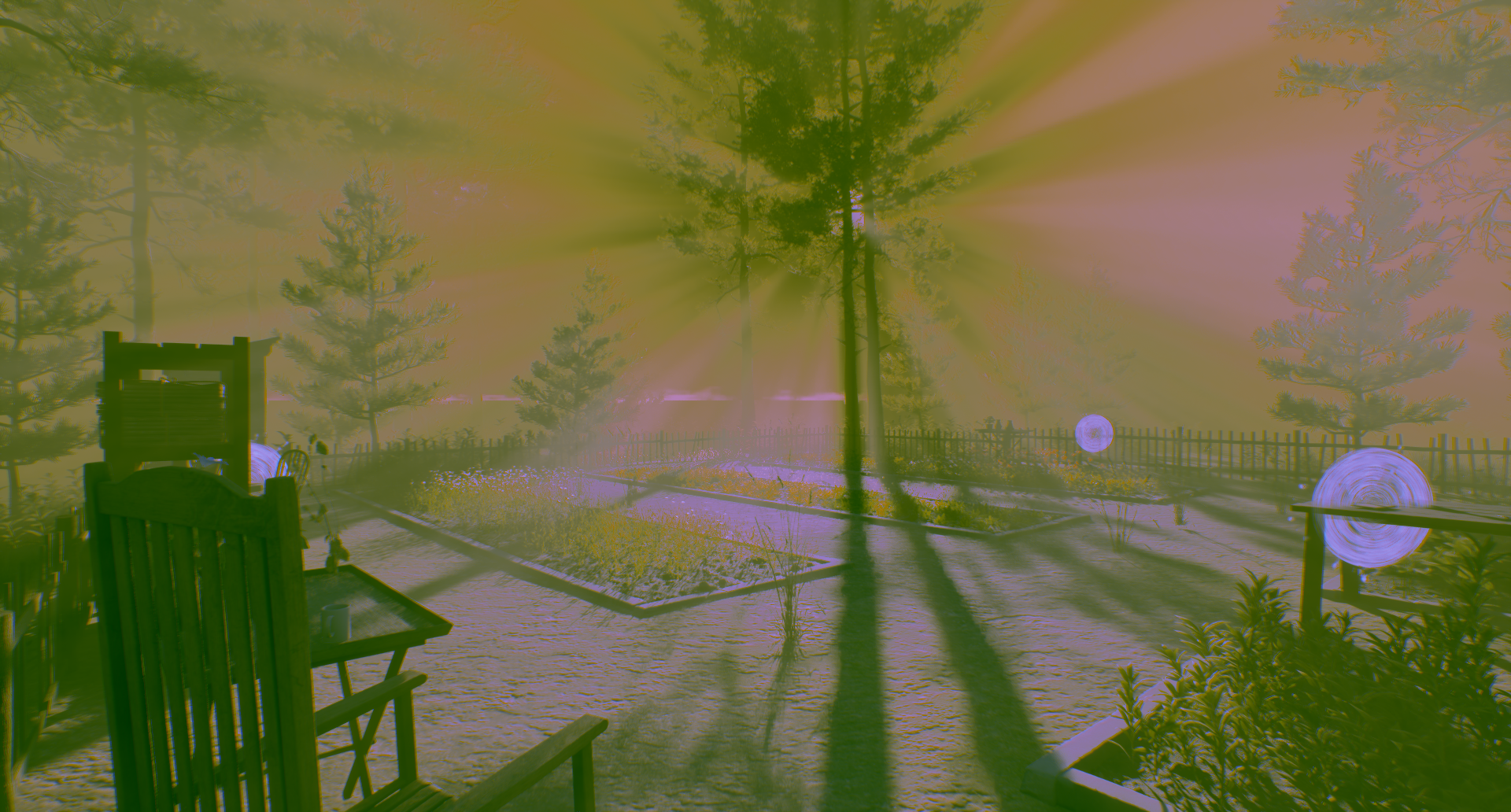
Narrative Game Design
- Play Demo on Steam
- Tool: Unreal Engine 5.5
- Platform: PC
- Demo length: ~1 hour
- Team Size: 2
- Role: Game Designer, Narrative Designer, Technical Designer, Producer
- Development time: 6 months
Trailer
Demo Walkthrough
Summary
Aelwater is an atmospheric, narrative‑driven, first-person exploration game about memory and grief,
developed in Unreal 5.5.
The story happens in a remote flooded village along a river called Aelwater. The player plays as a city investigator who arrives after discovering a vague clue about his missing mentor. As the player explores, they gradually uncover the local mythology surrounding the river god, step into the villagers’ memories — each revealing their own experiences of love and loss — and gradually piece together the truth behind both the village and the mentor’s disappearance.
Responsibility
- Narrative Design: Defined the game’s narrative and thematic direction, exploring grief and acceptance through a mythological river belief system. Designed branching dialogue, environmental storytelling, and story progression aligned with exploration-based pacing.
- Game & Systems Design: Designed core gameplay systems and player interactions, including traversal, puzzle mechanics, and UX flow. Built scalable, data-driven dialogue and event frameworks to support iteration and expansion.
- Technical Implementation: Implemented modular gameplay and narrative systems in Unreal Engine 5 (Blueprints) using object-oriented architecture (interfaces, data tables) to ensure maintainability and efficient localization integration.
- Level & Visual Identity Collaboration: Collaborated with the level designer to align spatial progression with narrative beats. Designed and implemented post-process filters and visual tuning to establish a cohesive atmospheric identity.
- Production & Cross-Disciplinary Leadership: Led production coordination and cross-disciplinary communication. Directed music and audio integration with the composer and sound designer, and managed localization workflow with external translators.
- Product & Marketing: Defined project positioning, managed store presence and promotional messaging, and led festival submissions and community outreach initiatives.
We are a two-person team without an dedicated artist for now. Most of the 3D art assets are free assets from Fab. The other team member, Conger, is responsible for level design, UI and glyph design. Visit her portfolio page: https://www.congerhedesign.com/.
The World of Aelwater
Designing Loss as an Experience
The project originated from a personal interest in understanding how people process loss. Instead of presenting a single interpretation, the game is designed as a space where players can explore different emotional responses and form their own understanding.
Loss is an abstract concept that is difficult to represent directly through gameplay. Traditional approaches—such as taking something away from the player—can feel forced or manipulative. Rather than simulating loss through deprivation, Aelwater approaches the theme spatially and experientially.
The core design decision was to build a world where loss can be explored, rather than directly imposed.
Theme → Narrative Structure
Mythology as Thematic Framework
The central theme is expressed through a fictional belief system centered on a river god, Ael:
- Ael was once a ferryman who buried the dead during wartime
- Over time, he became the river itself, preserving the memory of the deceased
- He works alongside a human Riverkeeper, who stores and manages villagers’ memories
Within this system:
- Memory is externalized as something that can be stored and revisited
- Grief becomes a manipulable force, rather than an abstract feeling
This allows players to encounter emotional concepts as part of the game world.
Dialectical Narrative Structure
Instead of presenting a single message about grief, the narrative is structured as a conflict between opposing perspectives:
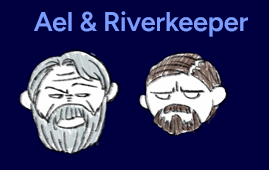
- The River God believes grief can overwhelm individuals, and supports the purification of painful memories to ease suffering
- The Riverkeeper believes memories—regardless of pain—should remain intact, allowing individuals to confront and process their emotions
The player gradually uncovers these perspectives and is ultimately asked to make a decision, or interpret a position between the two. This structure creates a reflective space, rather than a prescriptive narrative.
Memory Fragments as Player Experience
To translate the theme into gameplay, the experience is structured around memory fragments. Players enter the memories of different villagers, each is represented with a distinct experience of loss and different emotions: peaceful acceptance, unresolved anger, or quiet regret.
Each fragment functions as a self-contained narrative scenario, combining environmental storytelling, puzzle interaction, and monologue narrative. Through these experiences, players can:
- engage with multiple perspectives on grief
- contextualize emotional responses through character-driven scenarios
- reflect on their own interpretation of loss
Rather than delivering a fixed conclusion, the system is designed to support personal meaning-making through interaction.
Core Loops
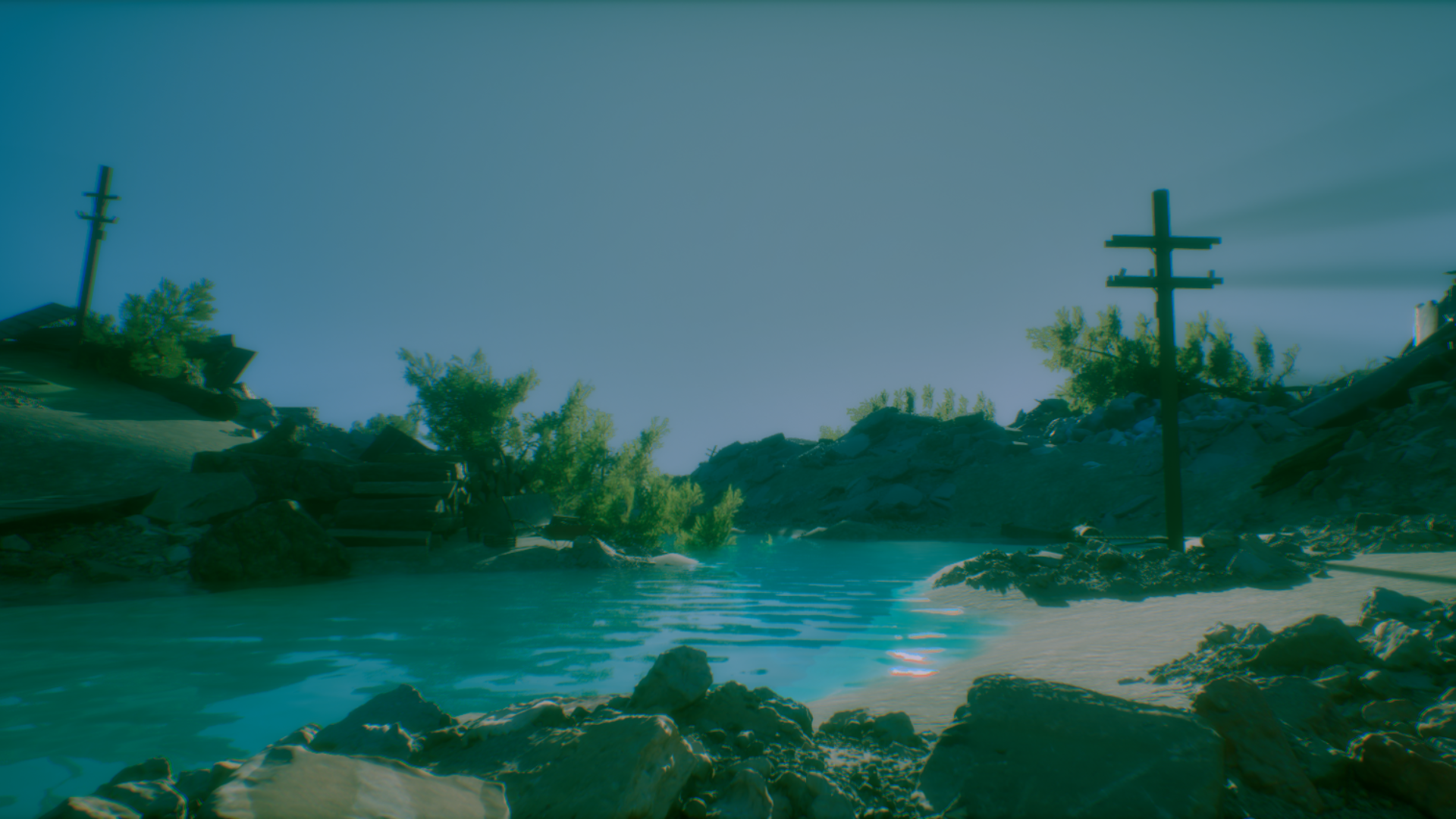
Explore the Village
Search the flooded environment for scattered memory fragments and points of interest.
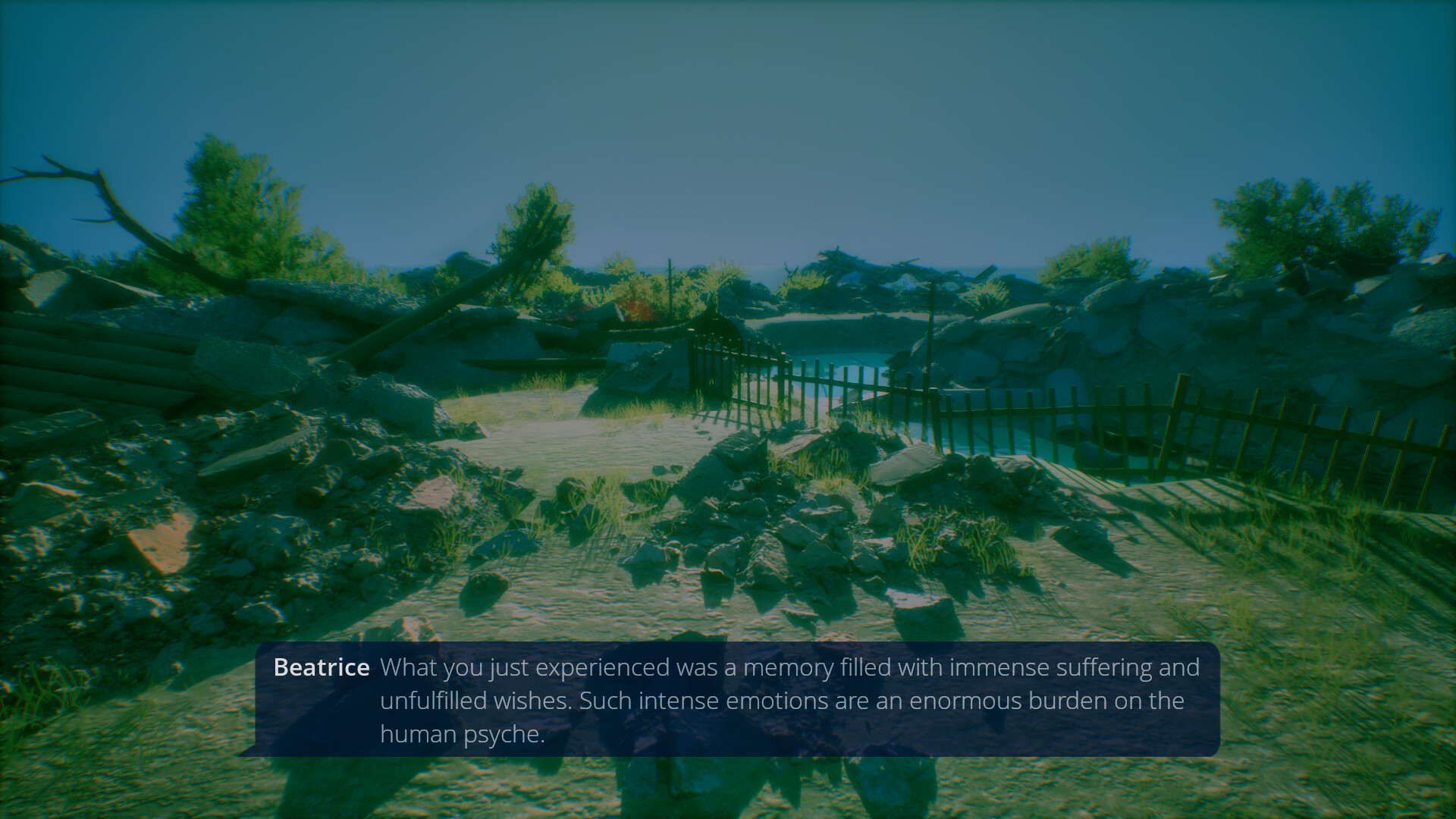
Radio Communication
Maintain contact with a distant operator to gather clues, guide exploration, and advance the main narrative and character relationships.
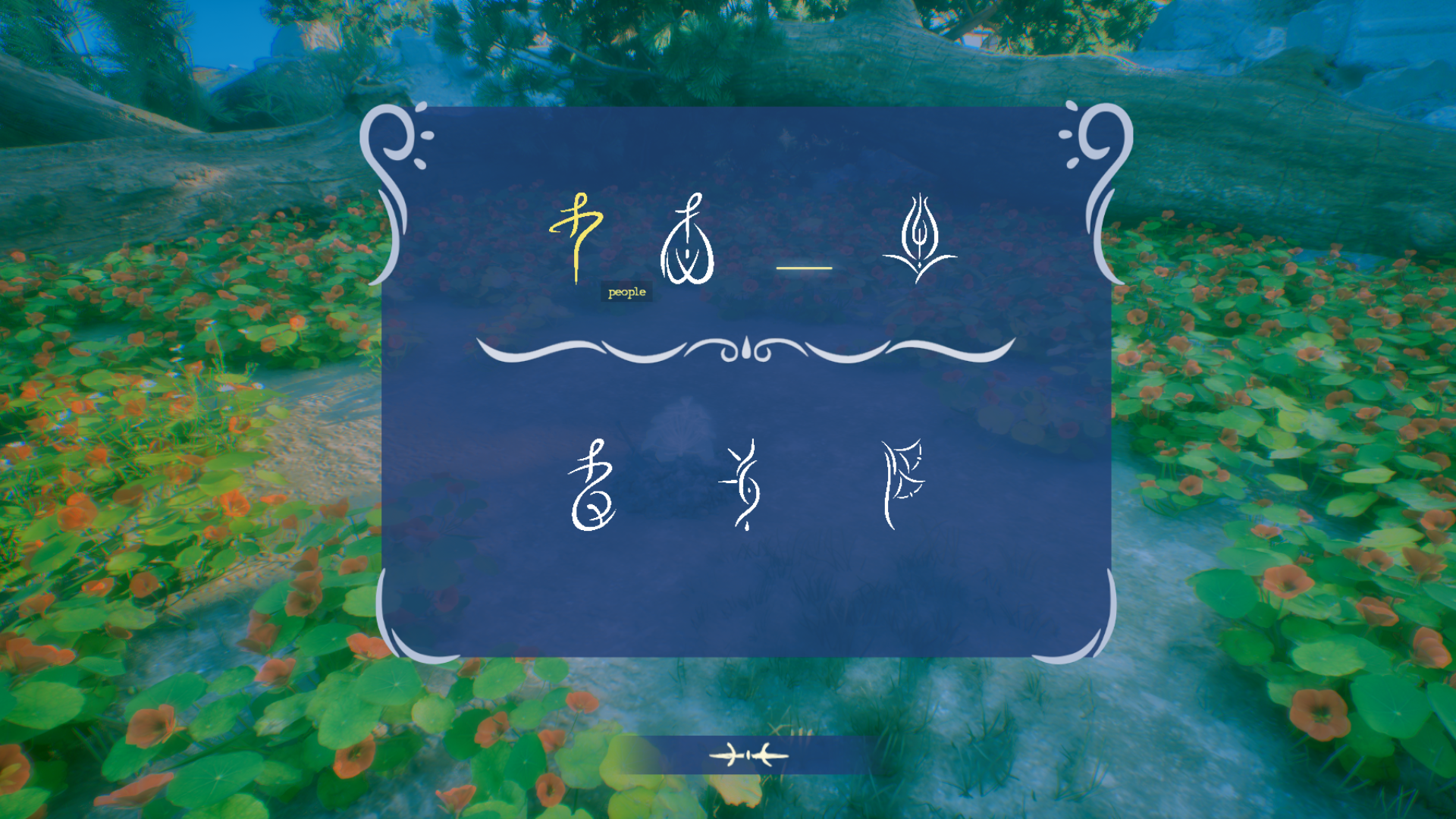
Memory Puzzles
Collect glyphs from the Riverkeeper’s language and decode them through fill-in-the-blank puzzles to unlock narrative nodes and memory sequences.
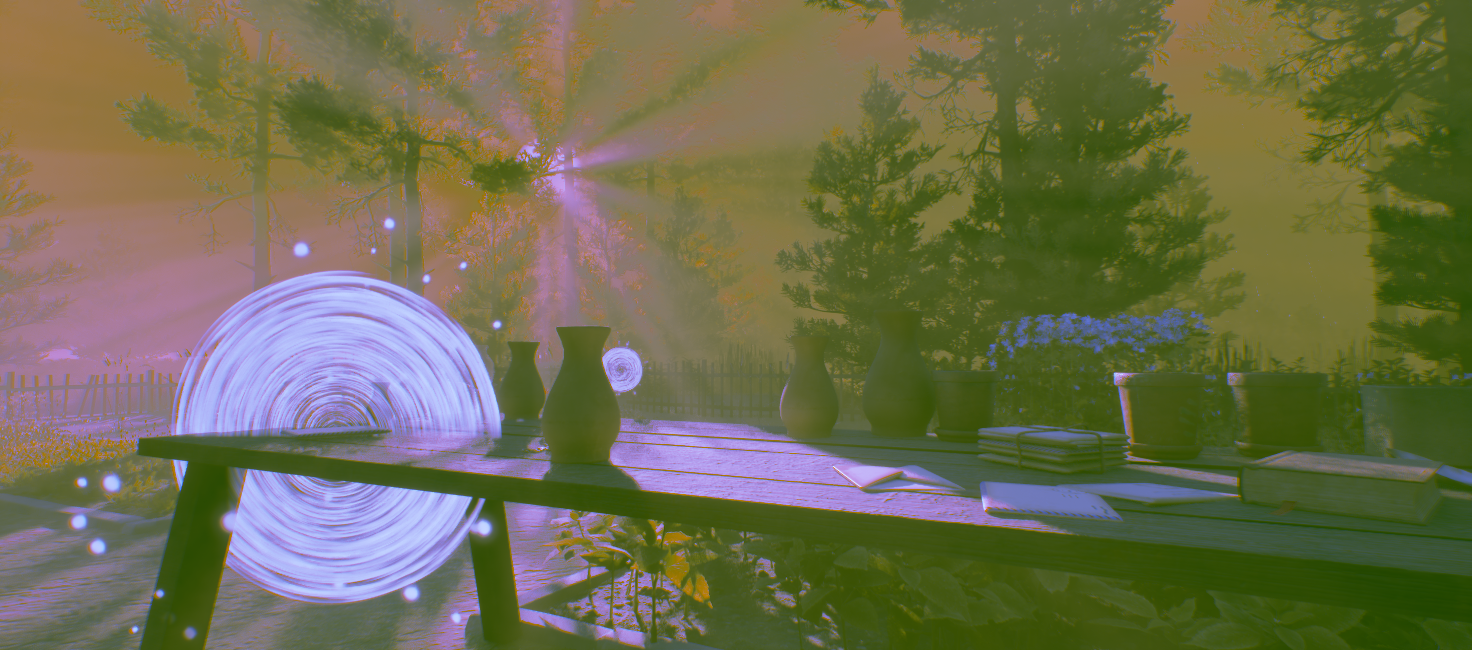
Memory Exploration
Enter unlocked memory fragments to experience character-driven stories (and puzzles) and gradually uncover the larger truth behind the village.
Thematic Mechanics
Given our limited resources, we could not rely on cinematic storytelling or high-production sequences. Instead, I focused on designing reusable mechanics that function as narrative carriers, allowing gameplay itself to convey the emotional themes of each memory.
Gameplay Example 1. Flower Bouquets
In the first memory fragment, the player experiences the story of a mother who runs a flower garden in the village. In the initial prototype, the gameplay was straightforward: the player harvested plants, and a storm sequence prompted the mother to return home. However, whitebox playtests revealed that harvesting felt repetitive and lacked emotional engagement. Without strong cinematic support or urgency systems, the narrative impact was limited.
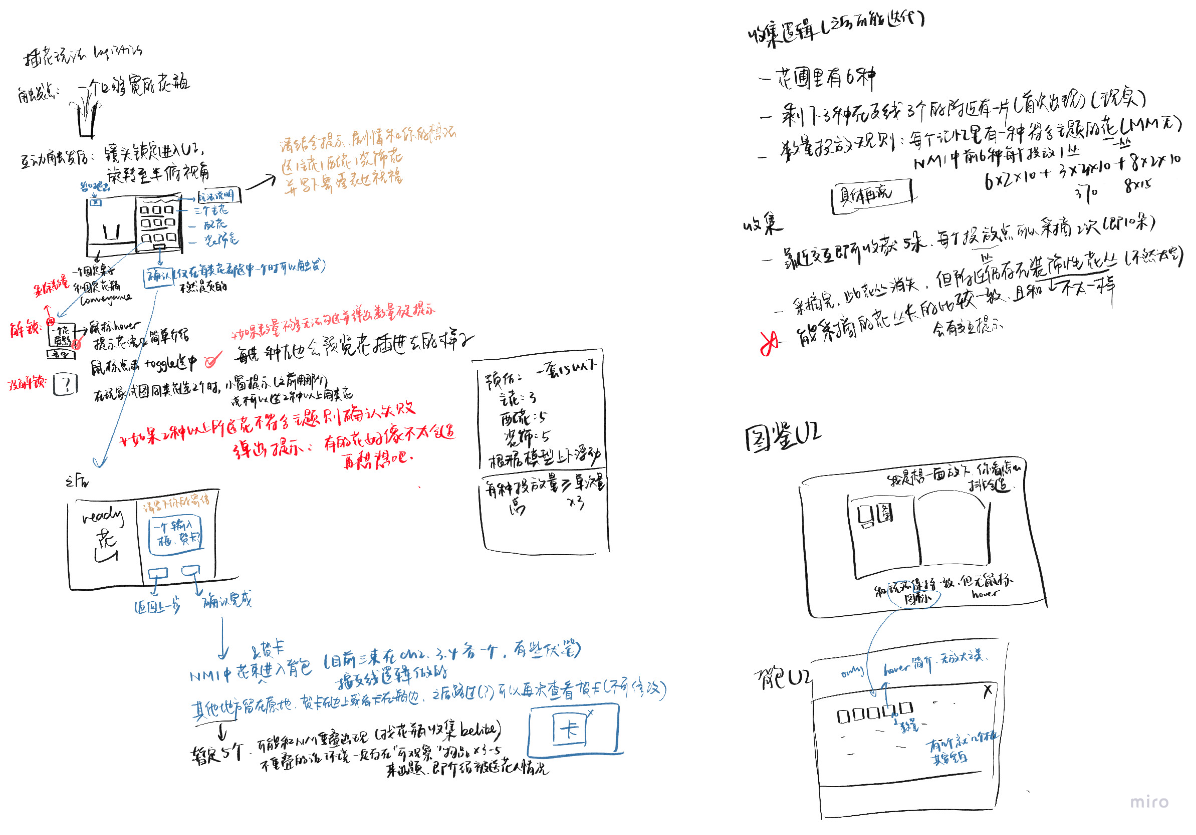
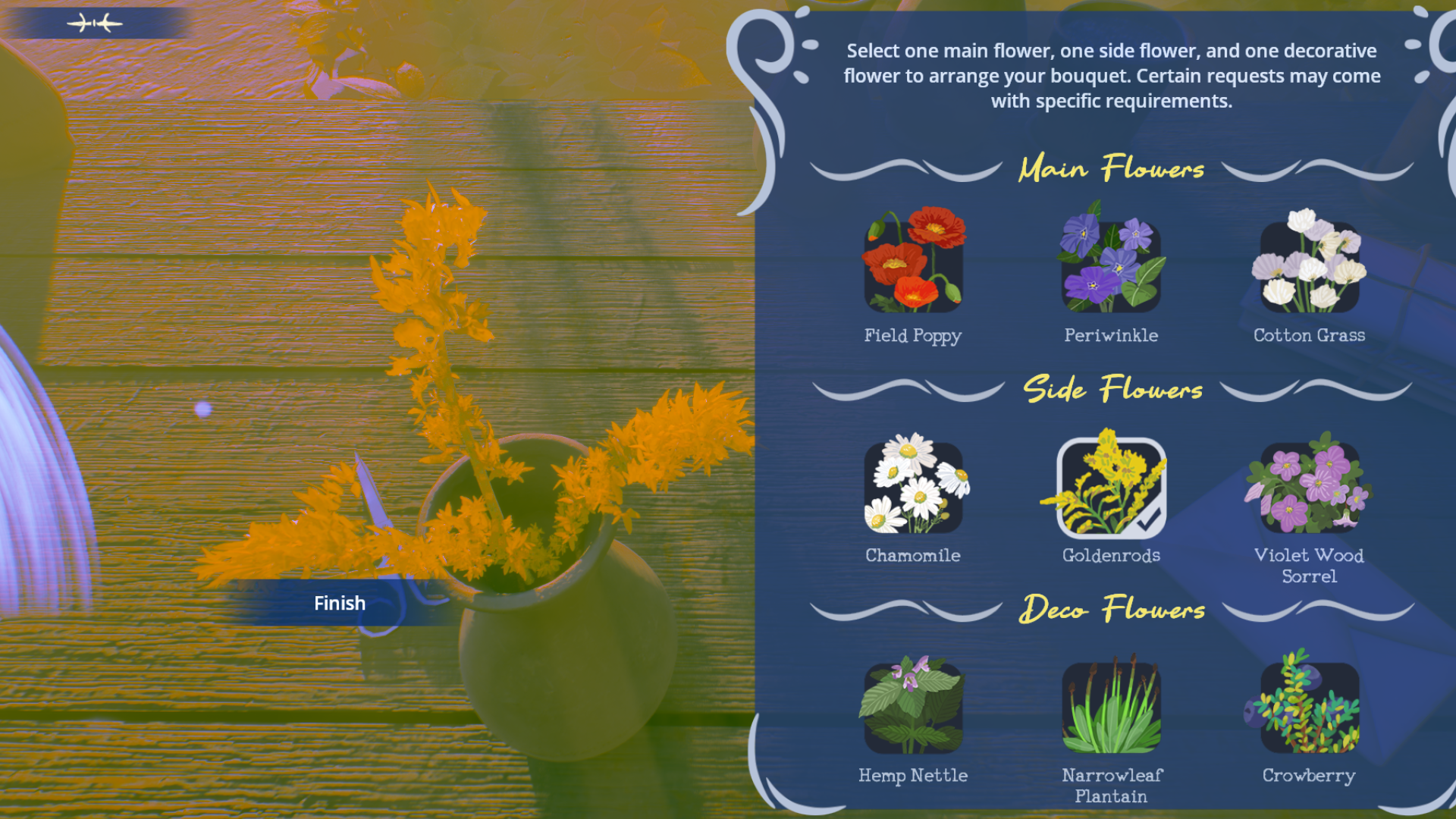
To address this, I redesigned the interaction into a flower bouquet arrangement mechanic. Players still collect flowers, but instead of harvesting as an isolated task, they now fulfill bouquet requests from villagers. These requests—such as daily arrangements, wedding bouquets, or memorial flowers—introduce narrative context and connect the mechanic to the broader world. By integrating narrative elements into the mechanic, a simple interaction was transformed into a meaningful, story-driven system.
System Design Considerations
Narrative Integration
Bouquet requests serve as a storytelling device, revealing fragments of villagers’ lives and emotional states. Narrative information is distributed across interactive tasks to enhance immersion. Also, early interactions foreshadow characters and events that appear later in the game.
Reusability
The mechanic is designed as a modular side system that can reappear throughout the game. Players can continue collecting flowers, creating and placing bouquets in later chapters.
Thematic Expression
Flowers function as a symbolic medium. While they inevitably wither, they are still used to remember and honor others. The act of arranging and placing bouquets becomes a repeatable ritual of remembrance, aligning player interaction with the theme of loss.
The current bouquet quest flow:
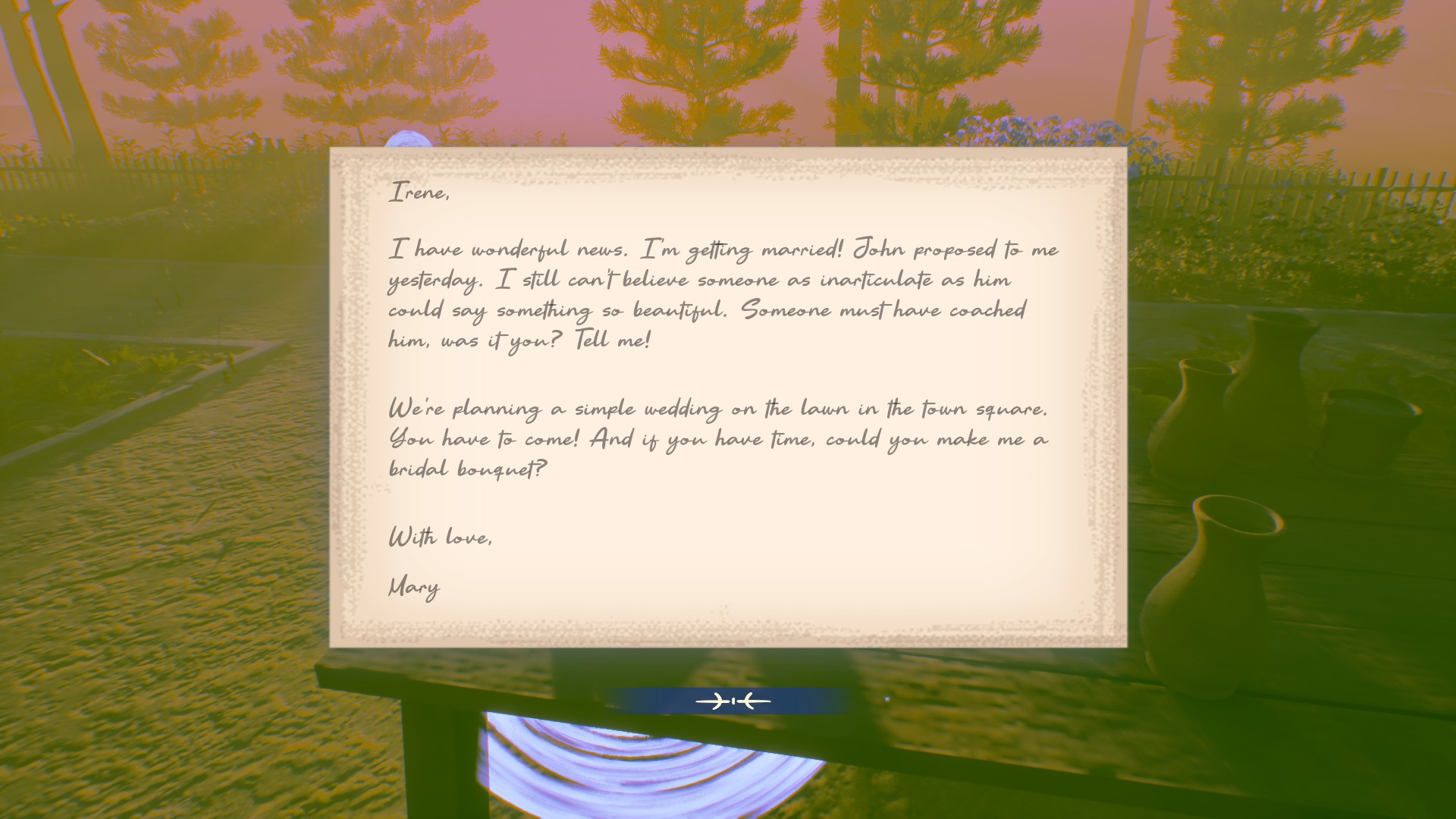
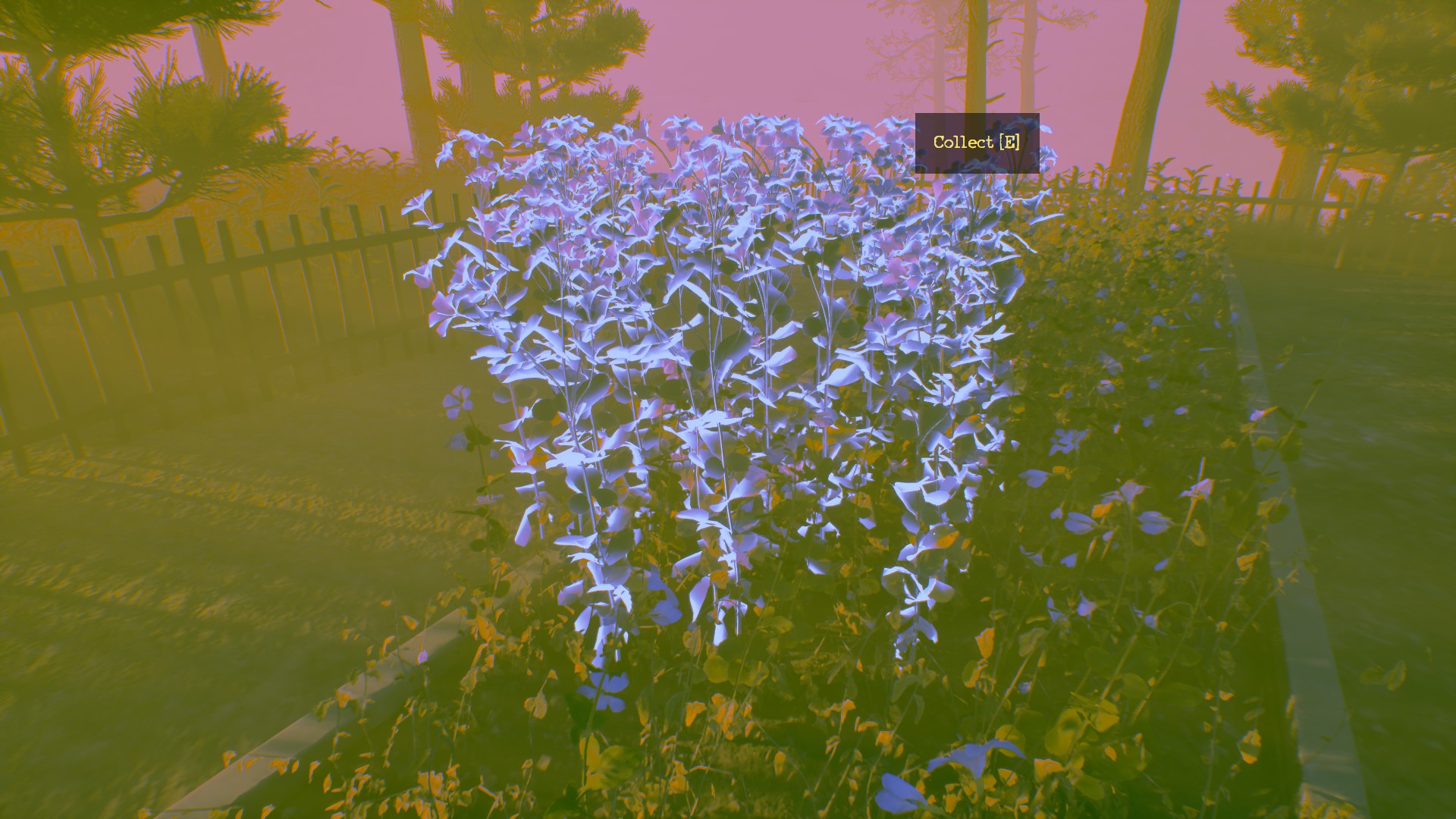
Gameplay Example 2. Lily Pad Puzzle
This memory fragment tells the story of a boy named Amias, who is bullied by his classmates. The player takes control of Silas—one of the boys involved—who begins to regret his actions and attempts to help Amias recover belongings that were thrown into a stream.
In the whitebox version, the gameplay was minimal. Players walked through the woods and along the stream, stepping across lily pads as light obstacles while collecting scattered items and listening to narration. While functional, the interaction lacked emotional weight and did little to reinforce the theme. During redesign, I chose to retain the lily pads as the core element. They were already visually prominent in the environment and referenced in the narrative, making them a natural anchor for interaction.
However, the key shift was to make the mechanic express the theme of bullying more directly. The interaction was reworked into a pattern-based lily pad jumping puzzle with light challenge. Instead of serving as passive traversal elements, the lily pads became a structured system that embeds narrative meaning into player action.
The current lily pad puzzle flow:
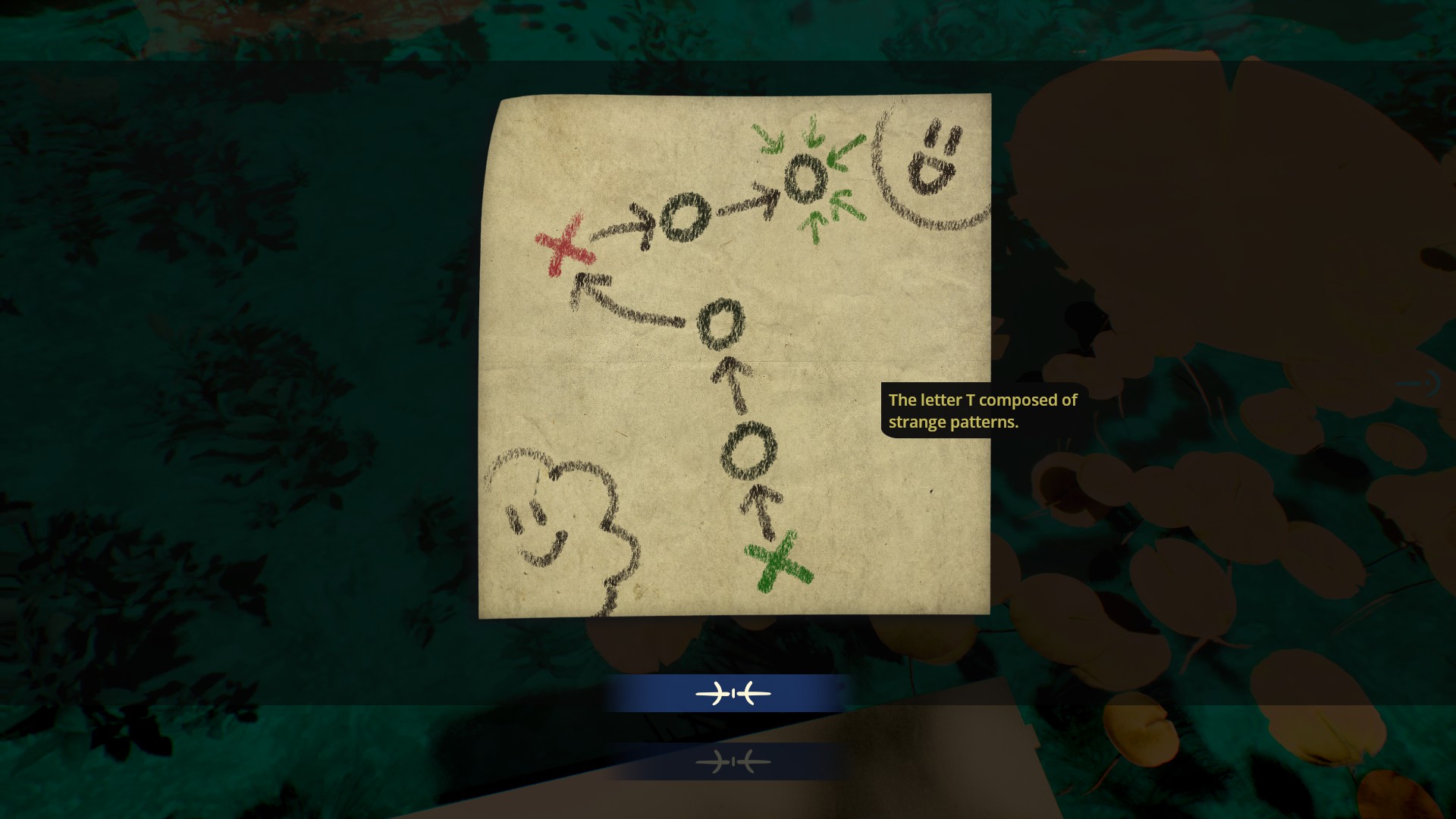
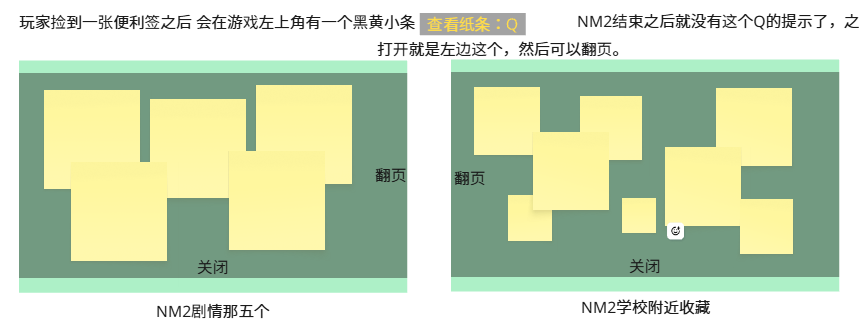
Players discover notes around the school and surrounding areas that contain jump patterns, serving as hints for crossing the stream. 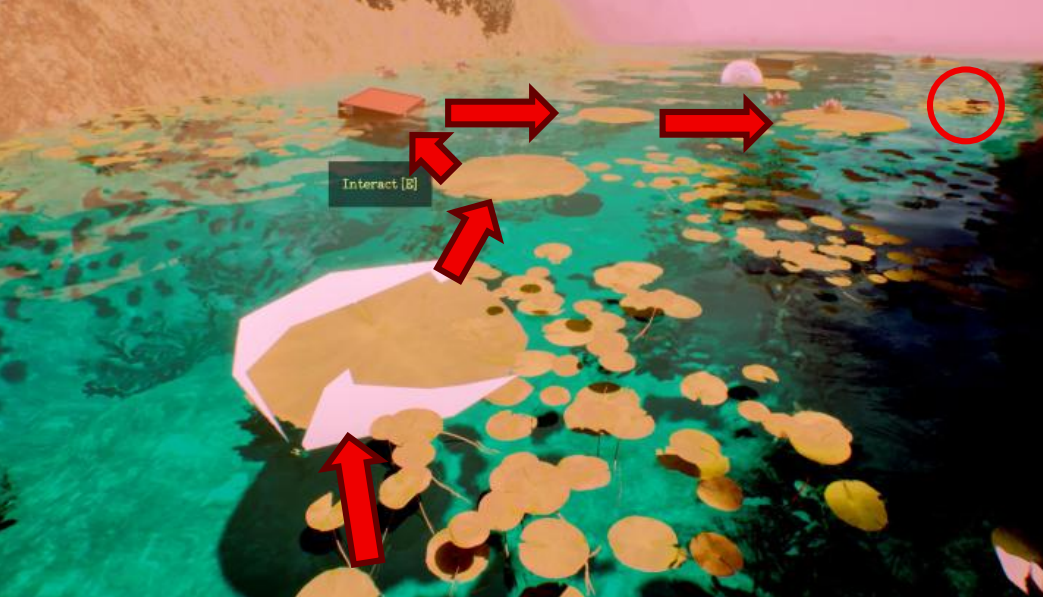
To progress, players must follow these patterns to traverse the lily pads in the correct sequence. Stepping on the wrong pad causes subsequent pads to sink, forcing the player to return to the correct path before advancing. 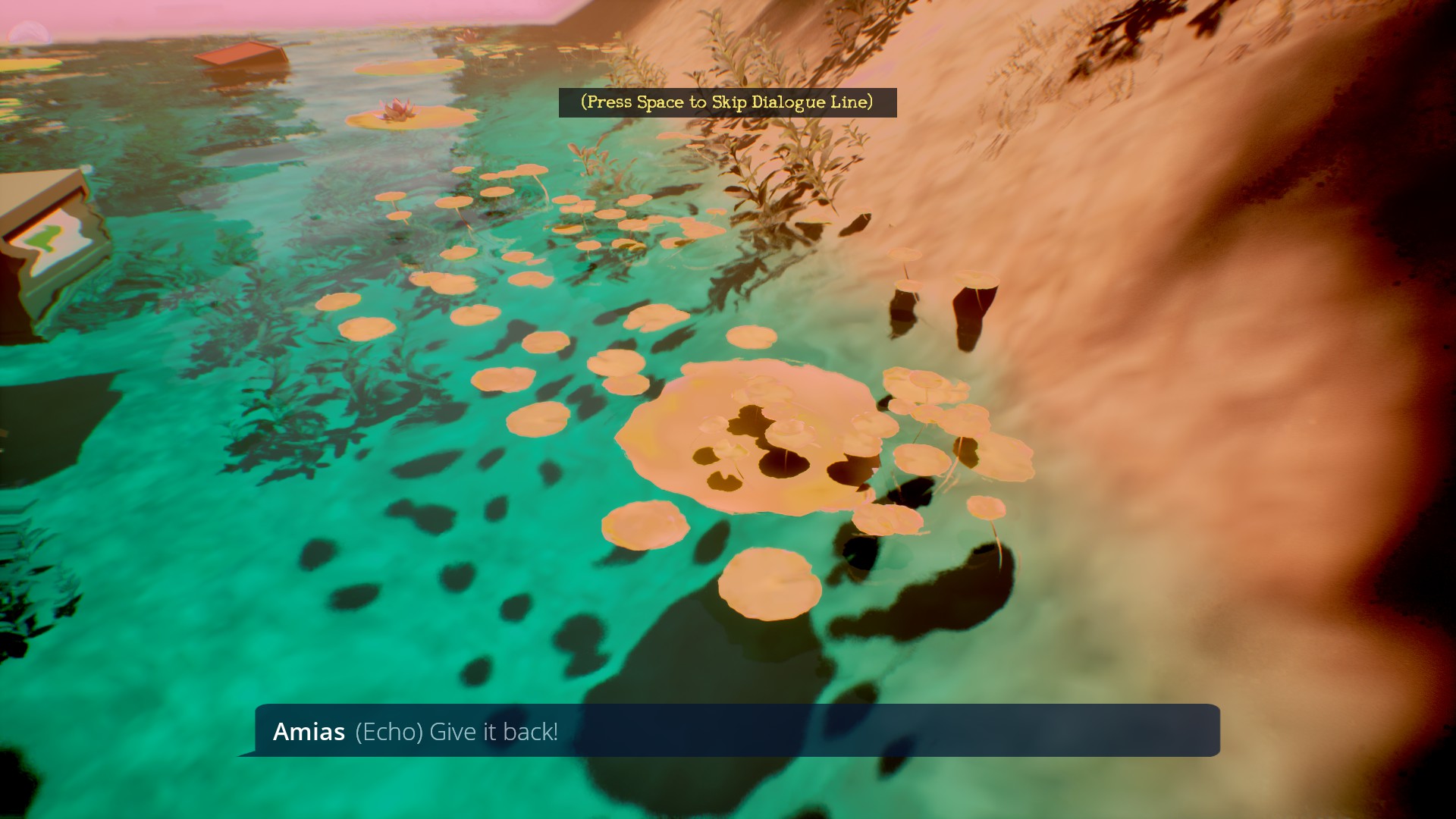
Each completed sequence leads to recovering one of Amias’s lost belongings. 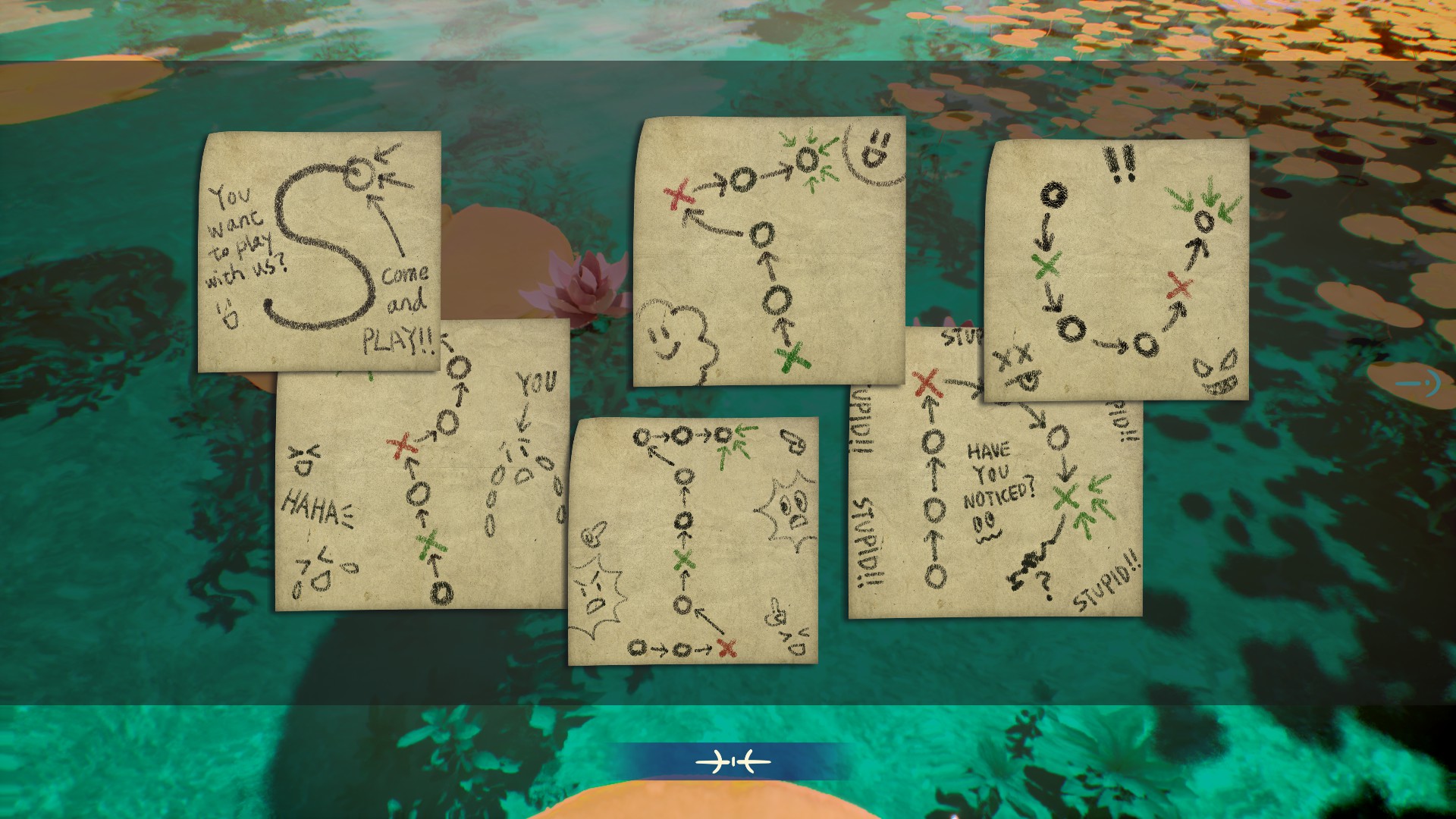
Across six puzzle sequences, the patterns collectively form insulting words “STUPID”, representing the verbal abuse Amias experienced.
Design Outcome
This transformation shifts the mechanic from a simple obstacle into a narrative system.
- The puzzle structure introduces tension and repetition, mirroring the persistence of bullying
- The encoded patterns embed story information directly into gameplay
- Player interaction becomes a form of emotional participation rather than passive observation
As players solve the puzzles, they do not just progress—they experience the pressure and structure of the bullying itself.
Ael Glyph
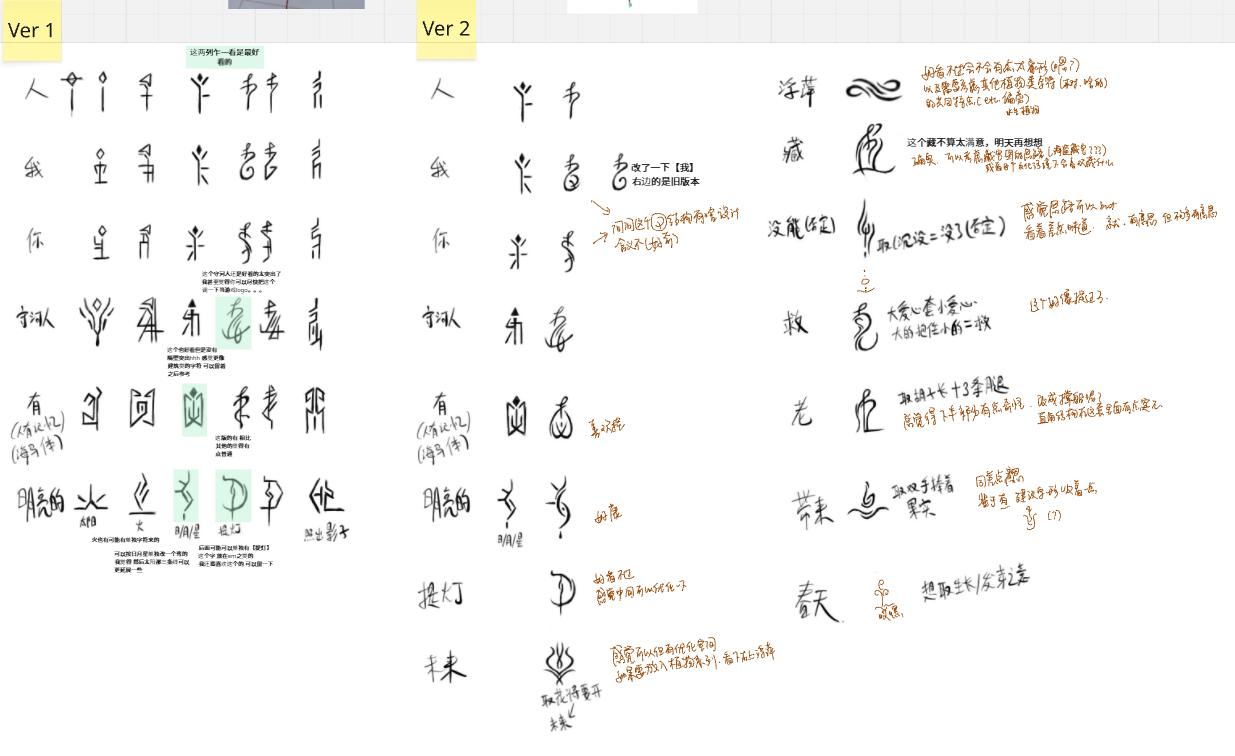
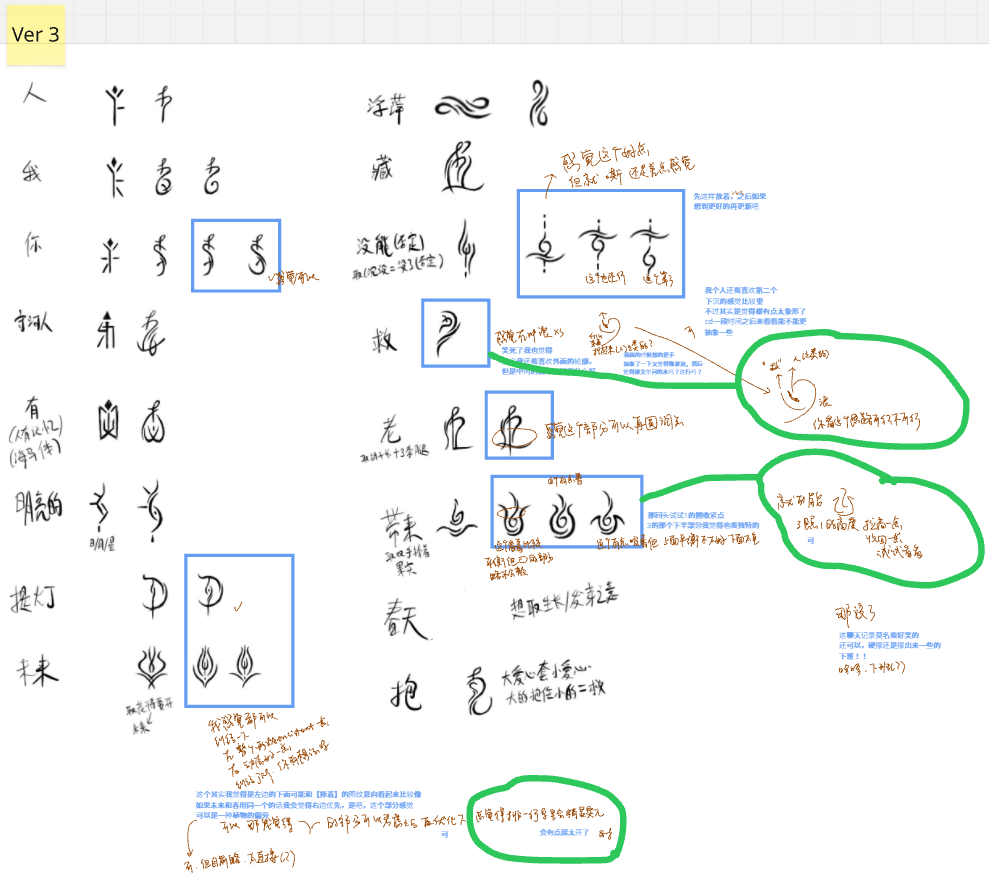
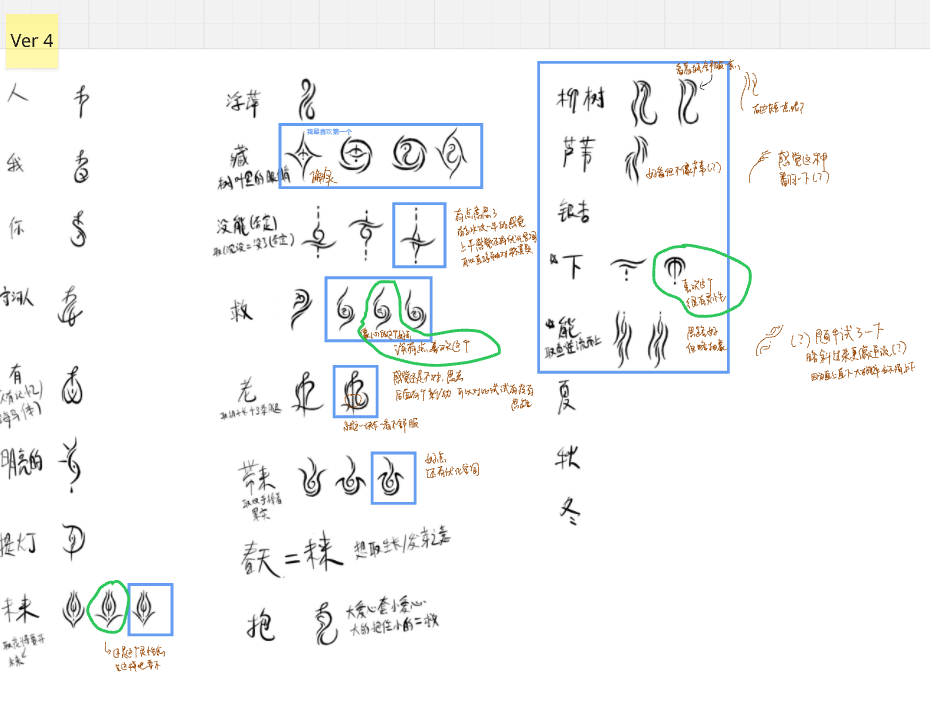
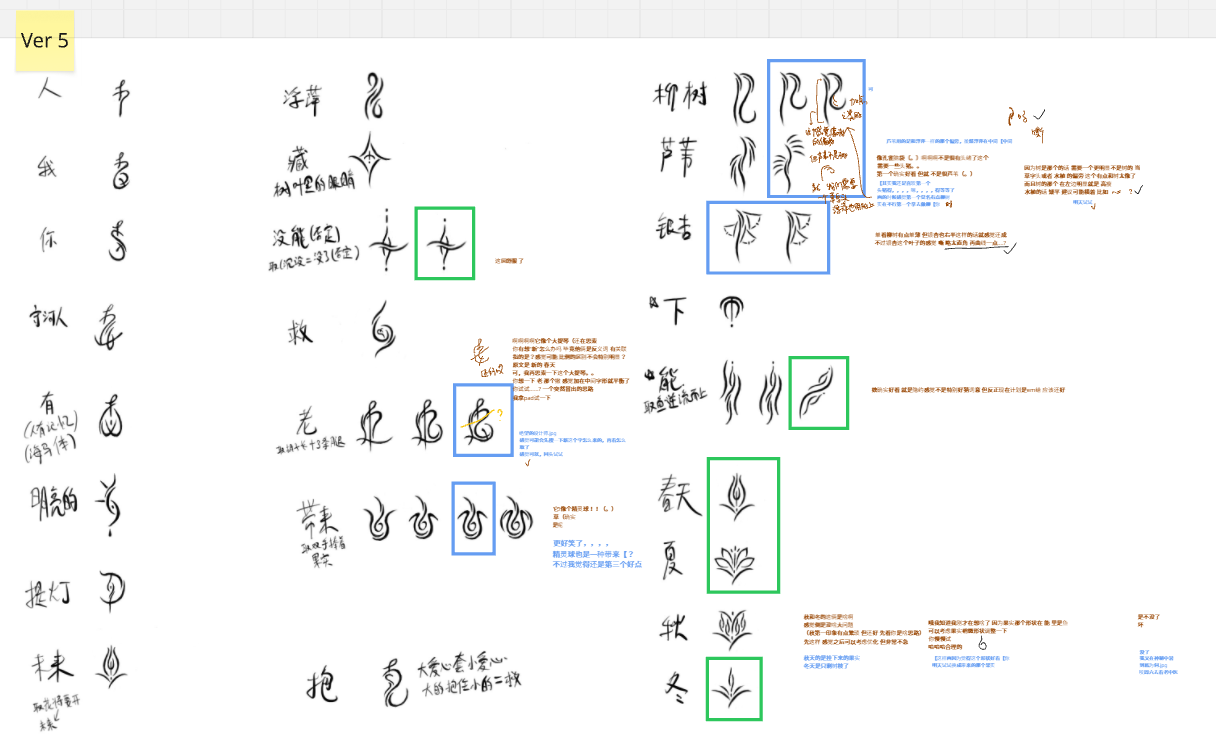
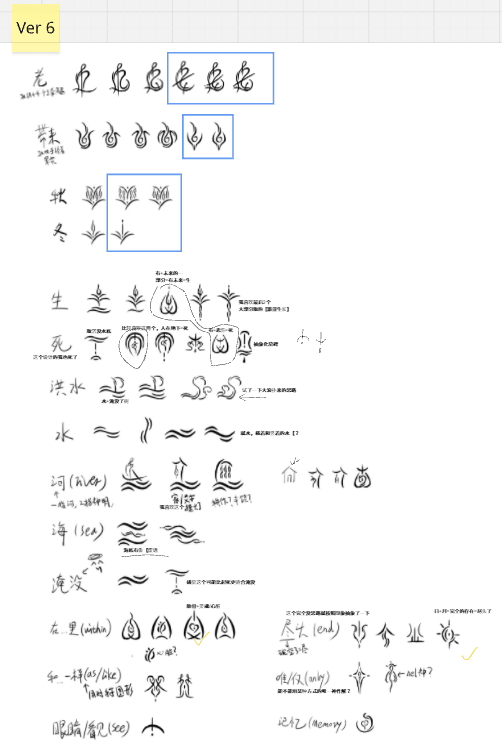
Aelwater features a custom glyph system — a symbolic language used by the river god and the Riverkeeper to organize and process memories. During exploration, players not only search for memory fragments but also collect glyph meanings scattered throughout the village. These glyphs function as both narrative elements and gameplay tools, allowing players to decode puzzles and activate memory sequences.
The development of the glyph system was highly collaborative. Conger led the visual design of the glyphs, while we maintained an ongoing dialogue to refine their form, readability, and thematic consistency. I contributed references and design directions to ensure the glyphs aligned with the narrative tone and gameplay requirements.
Visual Direction
World Building
As a fictional setting, Aelwater relies heavily on visual coherence to maintain immersion. If the visual tone does not align with the narrative, the player can easily feel disconnected from the world. Given our limited art resources, I focused on using post-processing to establish a consistent emotional language across scenes.
Each environment is assigned a custom visual filter that reflects its emotional anchor. Because the game revolves around memory fragments and a mythological river belief, the overall visual direction leans toward a dreamlike aesthetic, with saturated colors and strong lighting contrasts to evoke a sense of unreality and reflection.
Collaboration Workflow
Conger works on the level design, while I define narrative structure, quest flow, and spatial requirements. Once the narrative and gameplay beats are established, I provide level flow documentation and design intentions. From there, we iterate collaboratively through level design documents, whitebox, asset integration, mechanics integration, visual review.
As environments move into production, I begin implementing post-processing and audio direction, while coordinating with external collaborators for sound effects, music, and supporting assets.
Environment Breakdown
Flooded Village – peaceful abandonment
The village is designed as a quiet, submerged ruin. Despite the aftermath of a flood, the tone is intentionally calm rather than chaotic.
- Dominant blue tones reinforce the presence of water and stillness
- Yellow accents are used for collectible readability
- Ambient water sounds create a constant, soft background
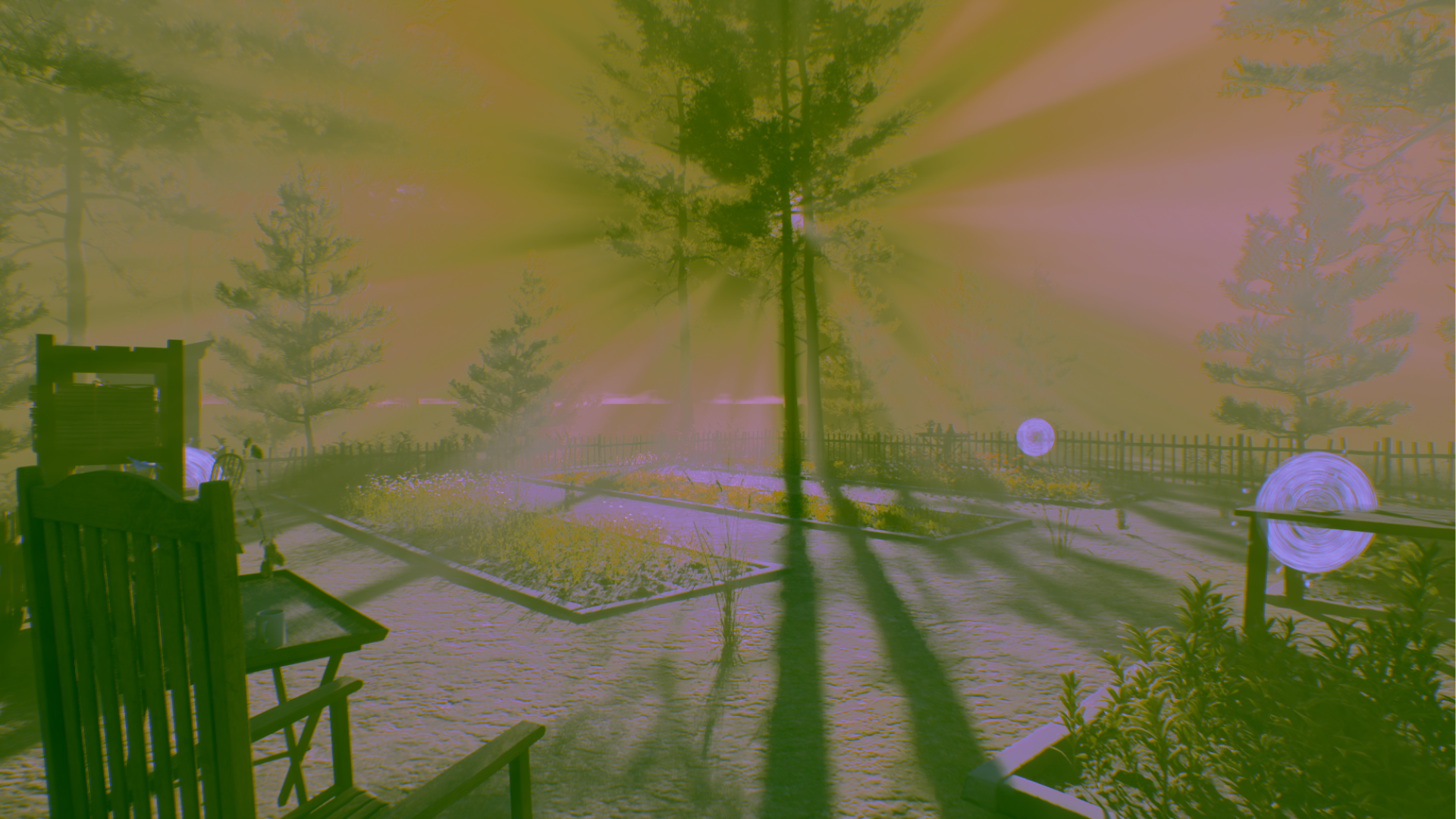
Garden – warmth and normalcy before disruption
- Green is the primary color, supported by soft, warm sunlight
- Lighting simulates a calm afternoon, with light filtering through trees
As the narrative shifts, the environment transitions:
- Rain begins as the player leaves the garden
- Visual effects introduce cool-toned raindrops, subtly shifting the emotional tone
The intention is to heighten contrast—making the later loss more impactful by first establishing a sense of beauty and safety.
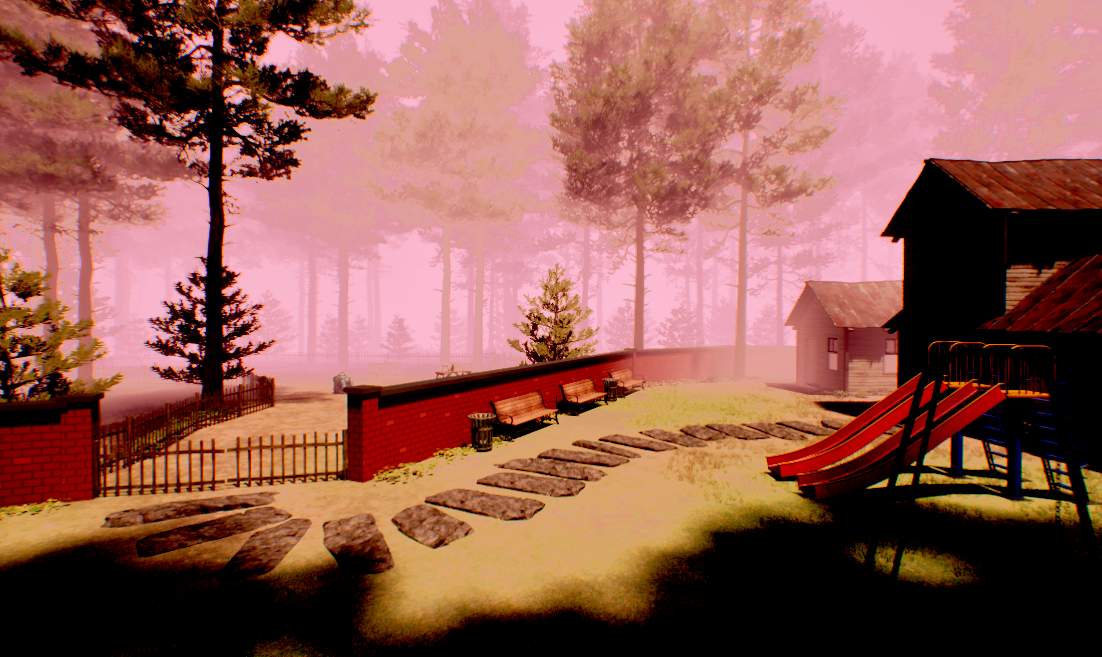
School – tension, discomfort, and unresolved emotion
- Set during a humid summer noon, emphasizing heaviness and stagnation
- Strong lighting and minimal shade create visual pressure
- Ambient cicada sounds reinforce the oppressive atmosphere
The sensory design mirrors Silas’s lingering guilt and emotional weight.
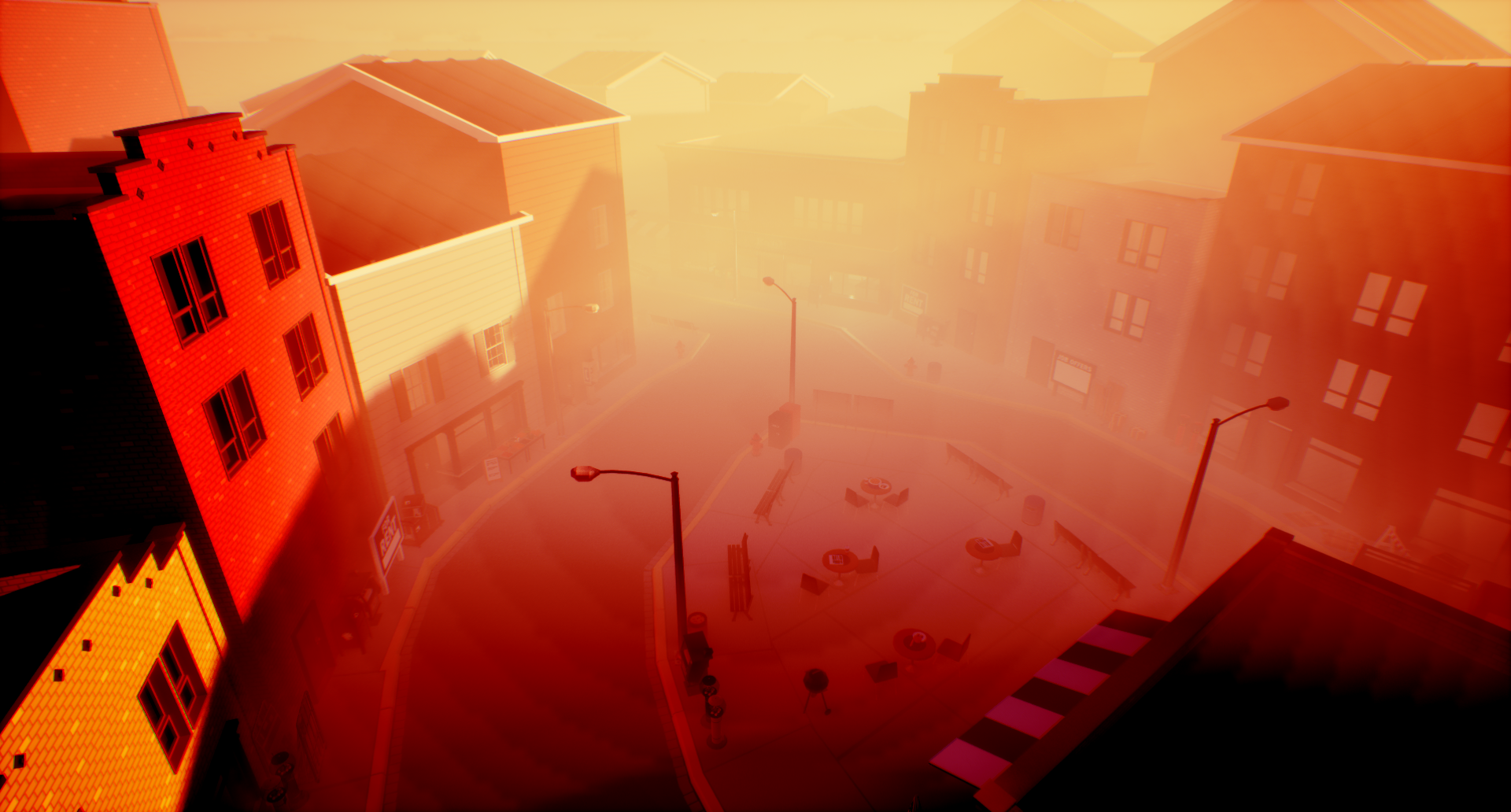
City Bank
This level underwent the most iteration. The initial layout featured a more rigid, orthogonal street structure. However, this felt visually flat and lacked spatial interest. To better align with the loosely defined 18th–19th century European inspiration, I proposed a more organic street layout, including:
- curved pathways
- a central open space
I provided layout sketches, which Conger iterated on to refine the final design.
As an exploration-focused level, I also emphasized environmental storytelling density, encouraging the placement of small, interactable objects throughout the space. These elements support narrative discovery and allow for additional interaction design during implementation.
Overall, the visual direction of Aelwater is driven by emotional alignment between space, narrative, and interaction, using constrained resources to achieve a cohesive and expressive world.
UI/UX Flow
Alongside gameplay systems, I designed the UI/UX flows to ensure they supported the intended player experience and interaction pacing.
I created initial UX specifications, including layout structure, information hierarchy, and interaction logic. These were then passed to Conger with clear guidelines on scale, visual style, and content requirements. She developed the visual UI assets based on these specifications.
Afterward, I implemented the UI in Unreal Engine. During integration, discrepancies often emerged between design intent and in-engine behavior—such as layout constraints, scaling issues, or readability adjustments. We addressed these through iterative feedback and close communication, refining both the assets and implementation until they aligned with the intended experience.
>>>>>>BELOW ARE WORKS IN PROGRESS<<<<<<
System Structure Implementation
Manager + Instance Architecture
To keep the project scalable and easy to iterate on, I structured the core gameplay systems using a Manager + Instance architecture, emphasizing system isolation and centralized control.
Each major system—such as the dialogue system, glyph puzzle system, and level transition system—is implemented as an independent module. These systems are encapsulated within their respective manager Blueprints and UI layers, allowing them to function independently without tight coupling.
A central controller (primarily through the Game Mode) is responsible for:
- initializing and managing system instances
- storing key UI and system references
- coordinating communication between systems
For interaction-heavy mechanics, such as puzzles:
- individual puzzle elements exist as separate instances in the level
- their references are registered and managed by a corresponding system manager
- gameplay logic is processed within the manager, and results are passed back through the Game Mode to update game state
This structure allows:
- clear separation of responsibilities
- easier debugging and iteration
- flexible expansion of systems without breaking existing implementations
Overall, the architecture supports a modular and maintainable workflow, which is especially important for a small team working with evolving design requirements.
(more pictures to come)
Sound and Music
I collaborated with composer Mila, a long-term creative partner I had hoped to work with since high school.
I provided her with narrative themes, reference tracks, scene descriptions, and emotional direction for each major gameplay segment. She then composed initial drafts, which we iterated on together through feedback cycles to ensure alignment between music, narrative tone, and gameplay pacing.
Check the documentation I provided with her (it is in Chinese).
Theme Song
The theme song is designed around a sense of exploration and emotional progression. It follows a gradual movement from uncertainty and confusion, to the emergence of questions, and finally to resolution and understanding. Underlying this progression is a continuous sense of warmth, representing emotional grounding throughout the journey.
Listen to the Chapter 1 OST album
Ambient White Noise
(in progress)
Aelwater @GDC
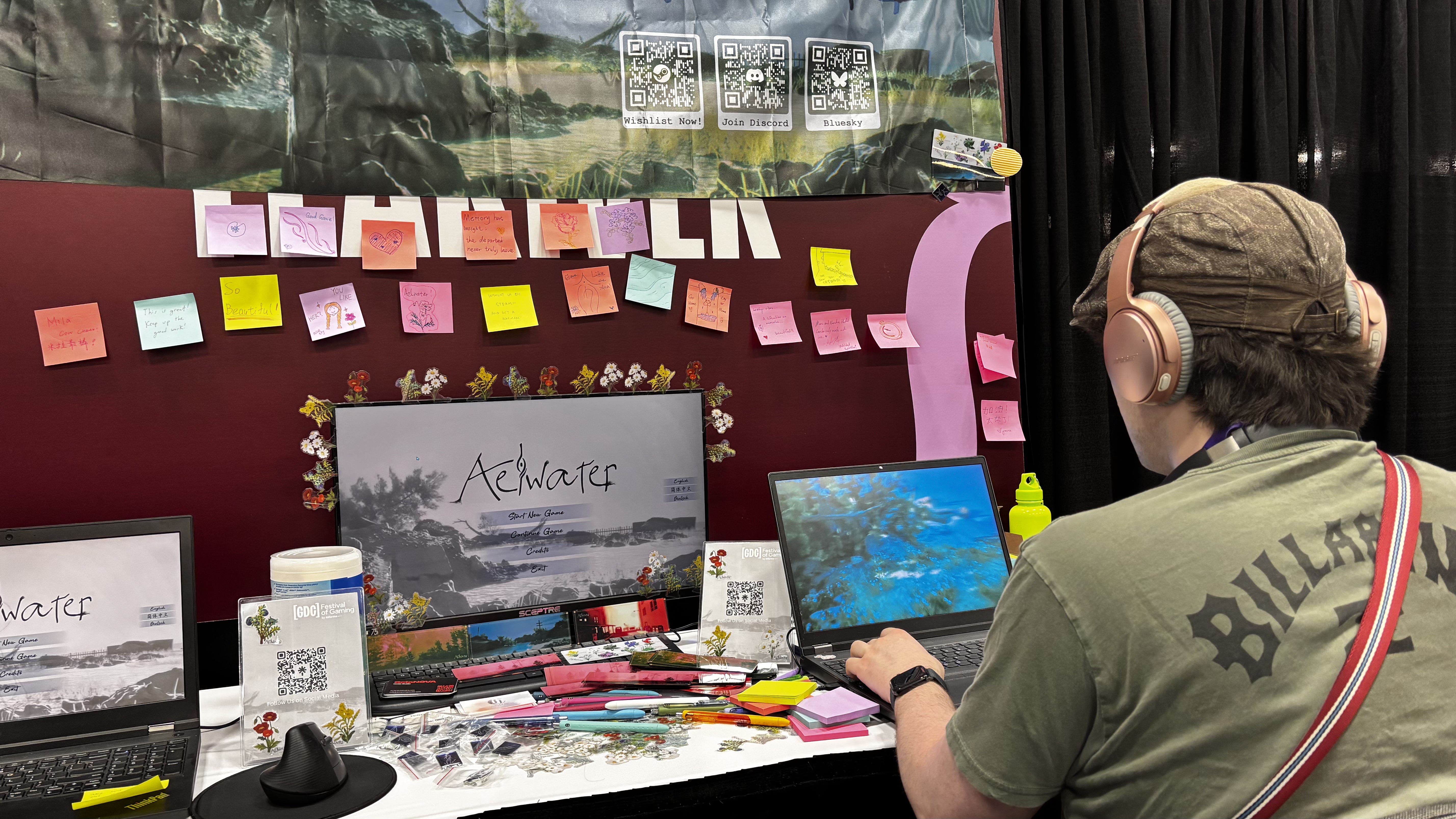
Many people came to play and we got great feedbacks.
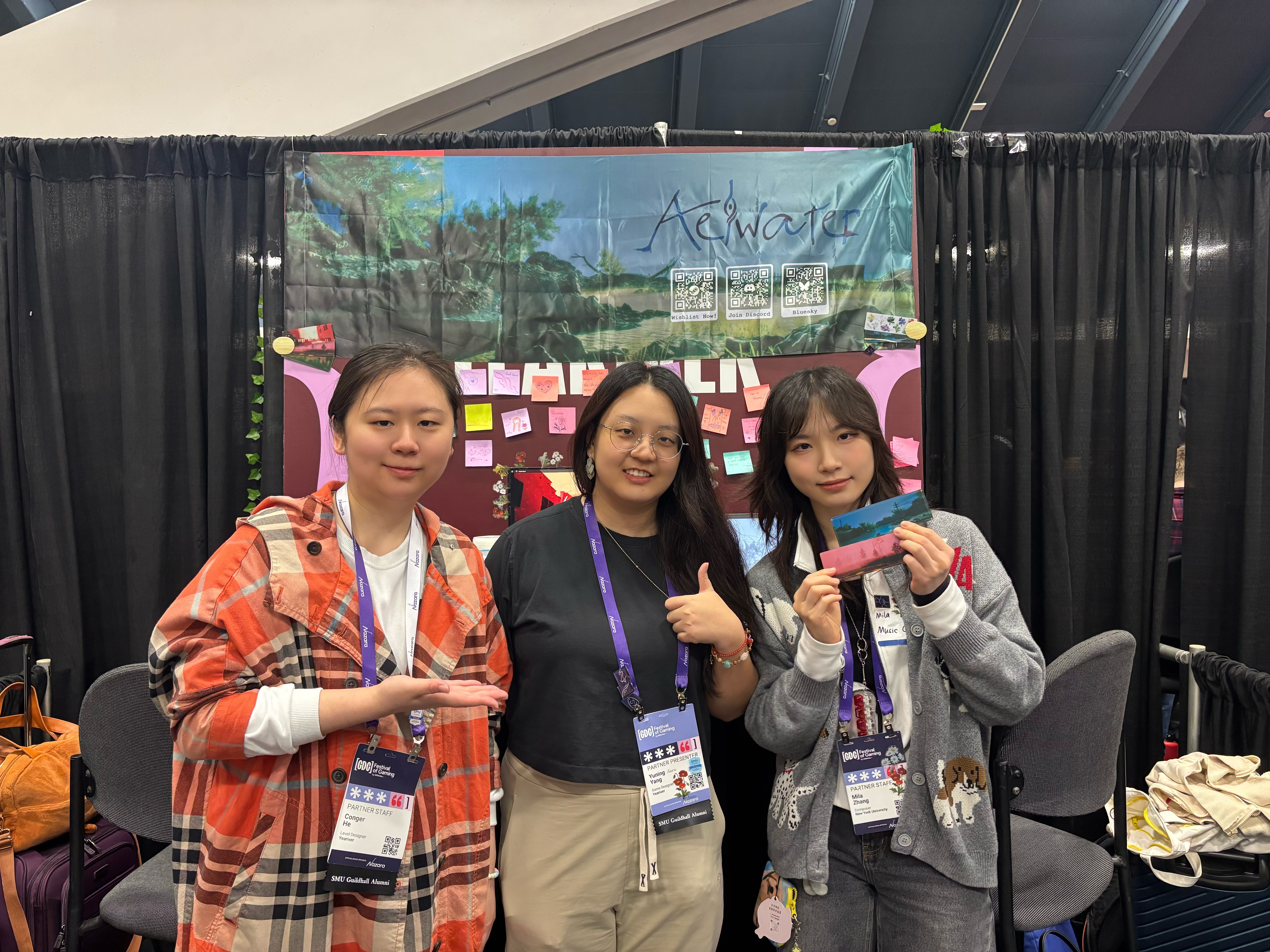
Team photo!
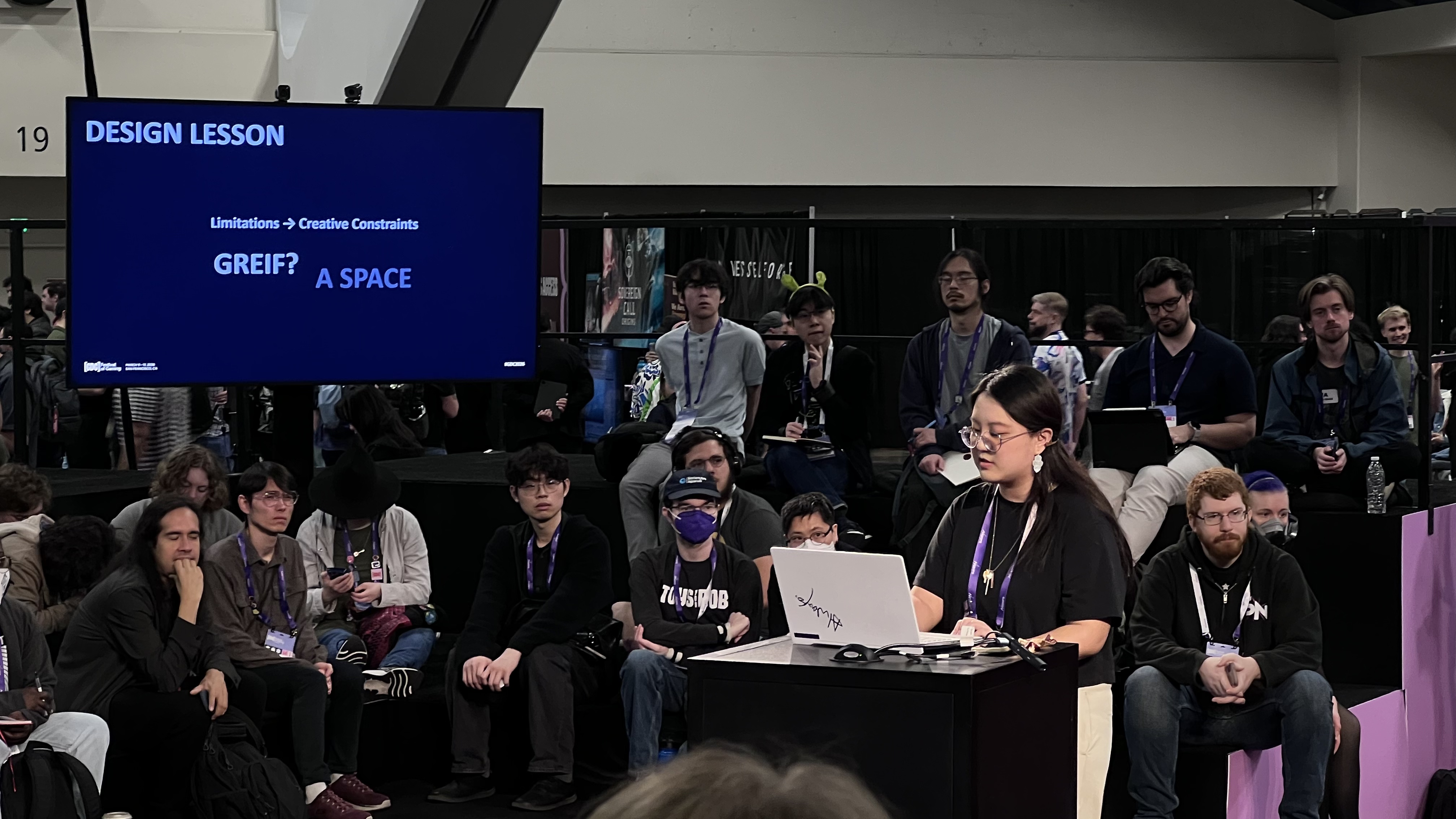
I give a talk on the topic: Six Months to a Playable Demo: Building Aelwater as Indie Devs
Check out the talk slides
Gallery
(in progress)
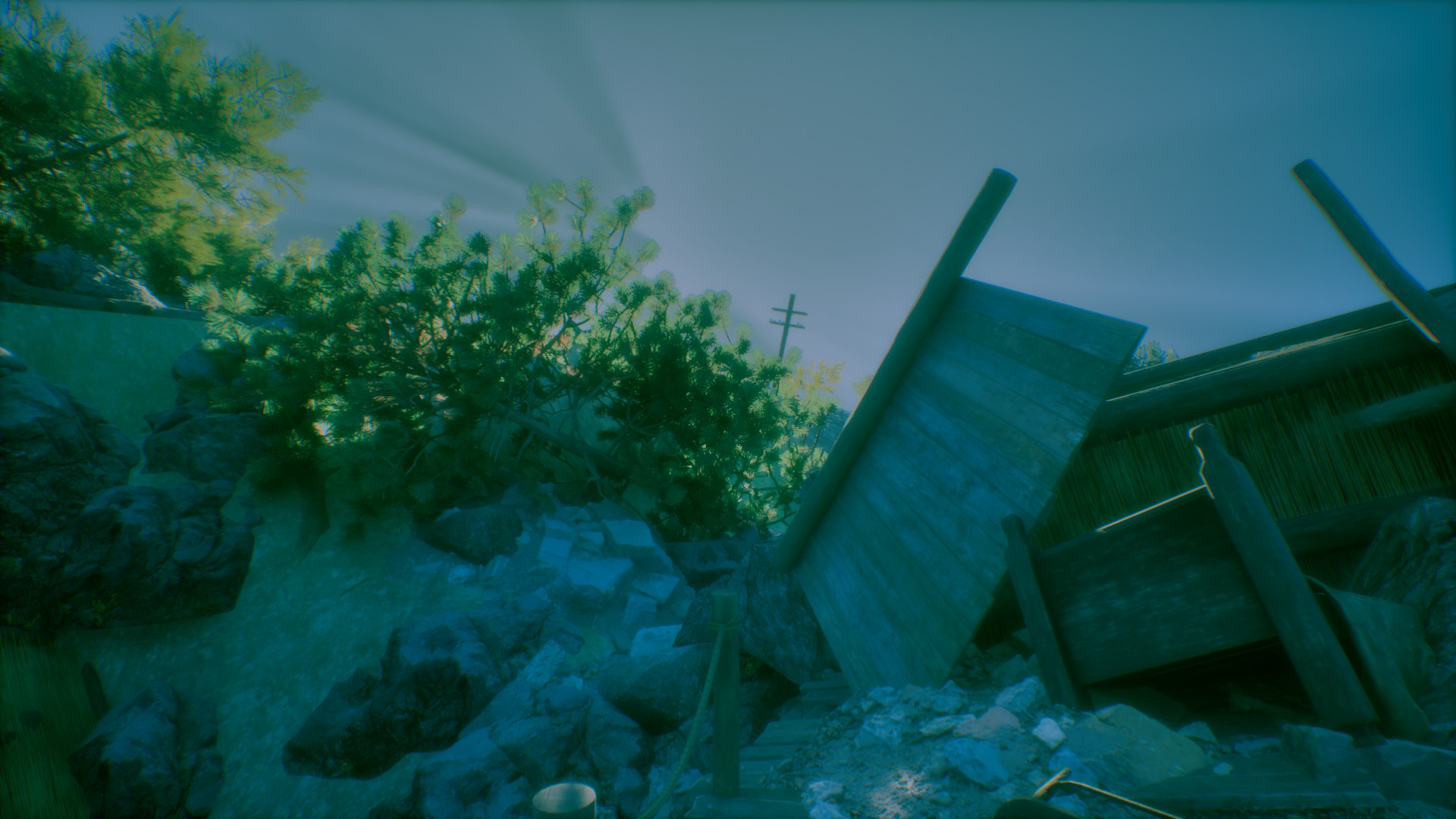
Village Scene – lighting 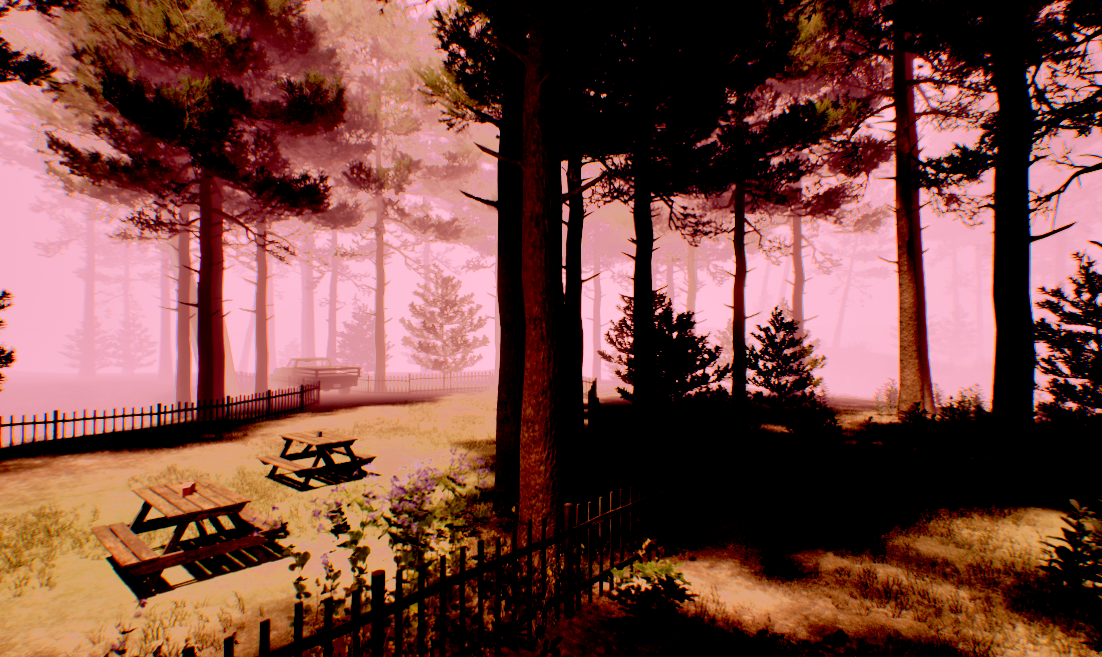
School Scene – Woods 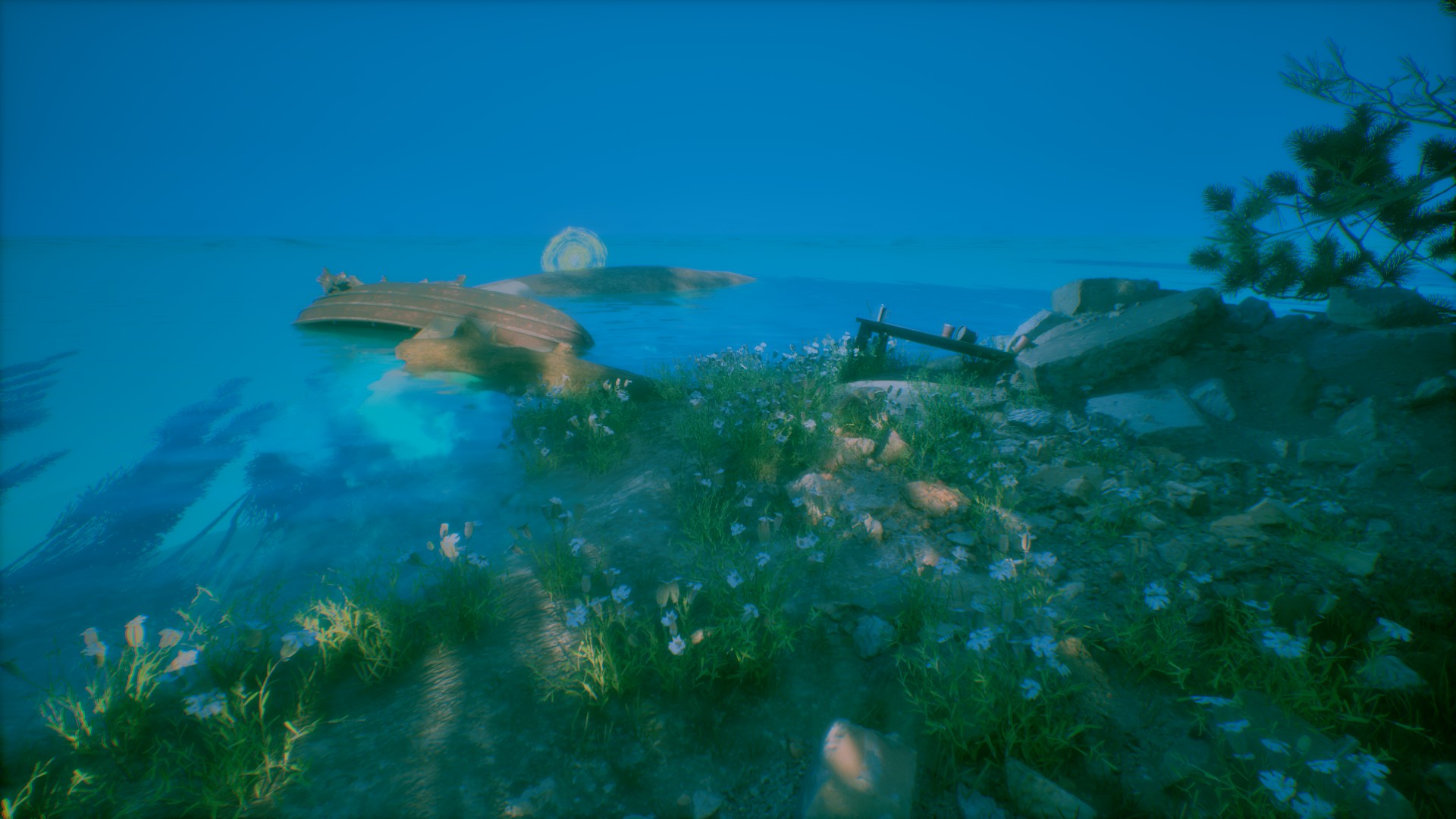
Village Scene – point of interest 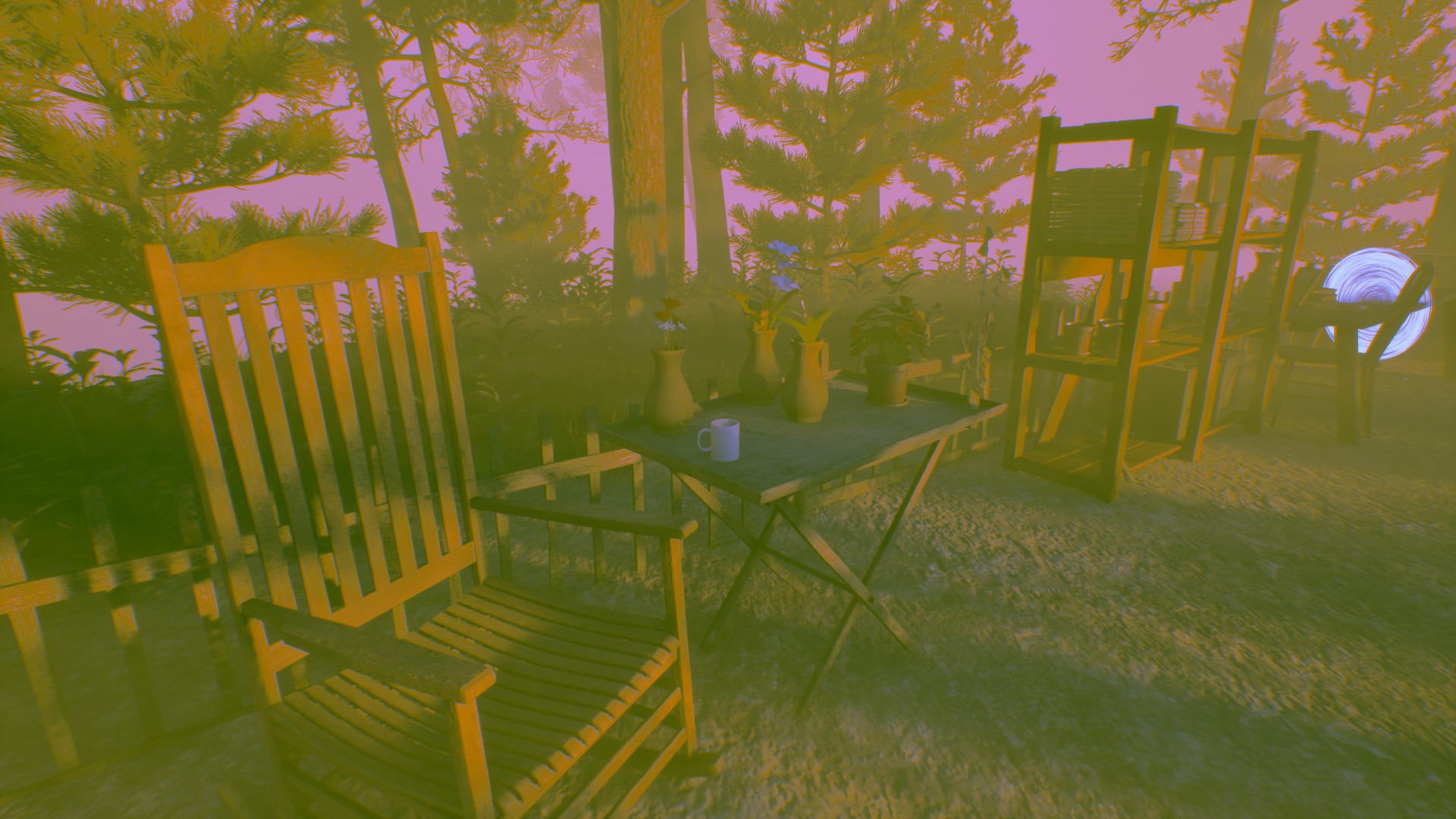
Garden Scene – decos 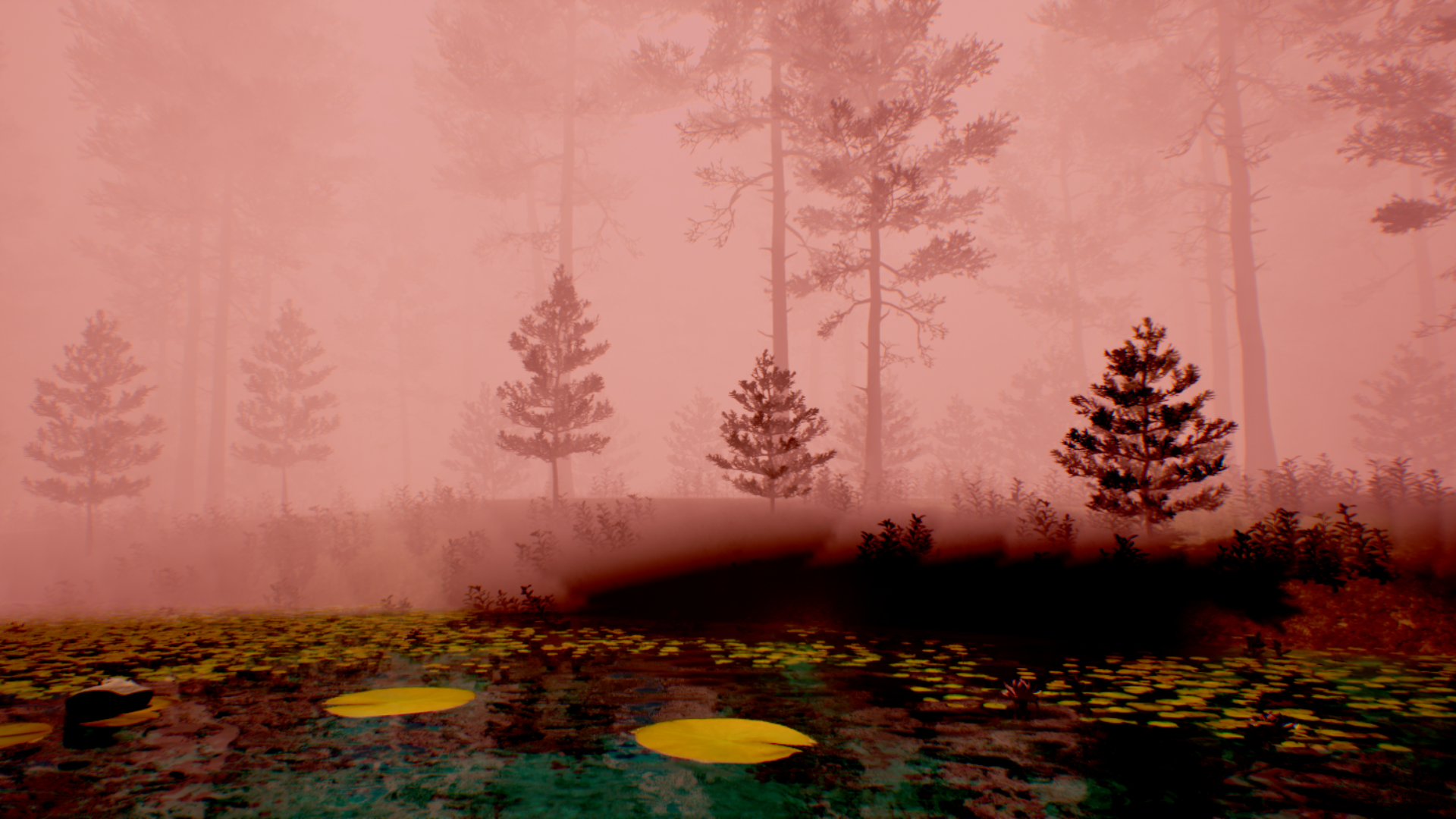
School Scene – Stream 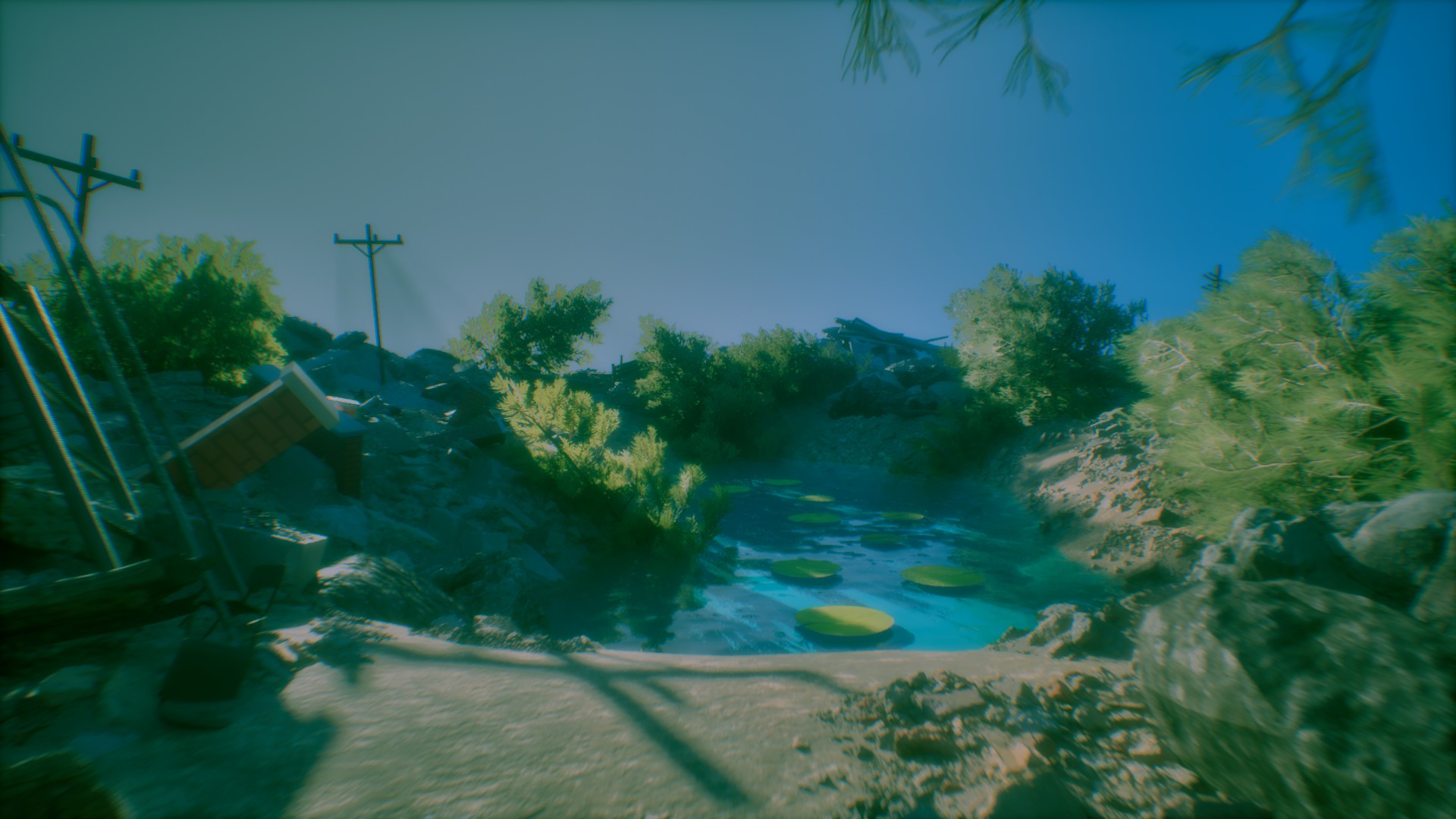
Village Scene – puzzle interation 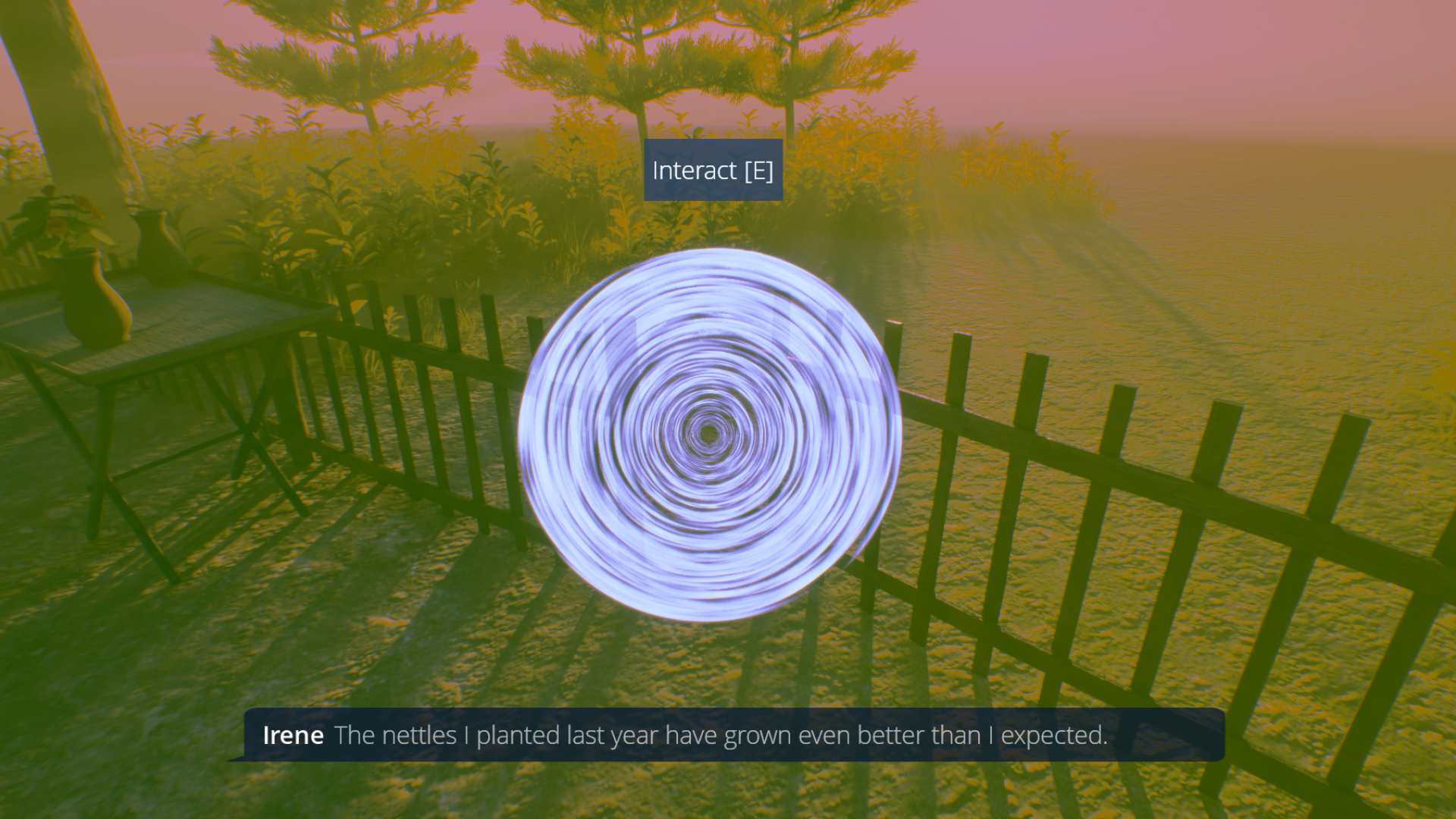
Garden Scene – environmental narrative 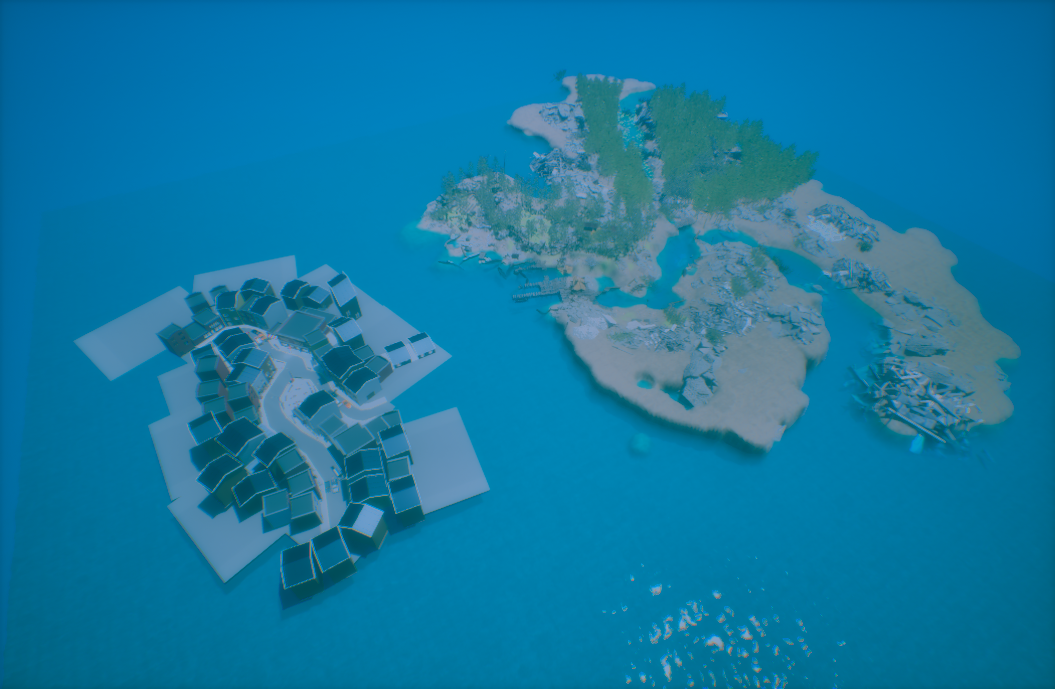
Village Scene – Early Version Overview 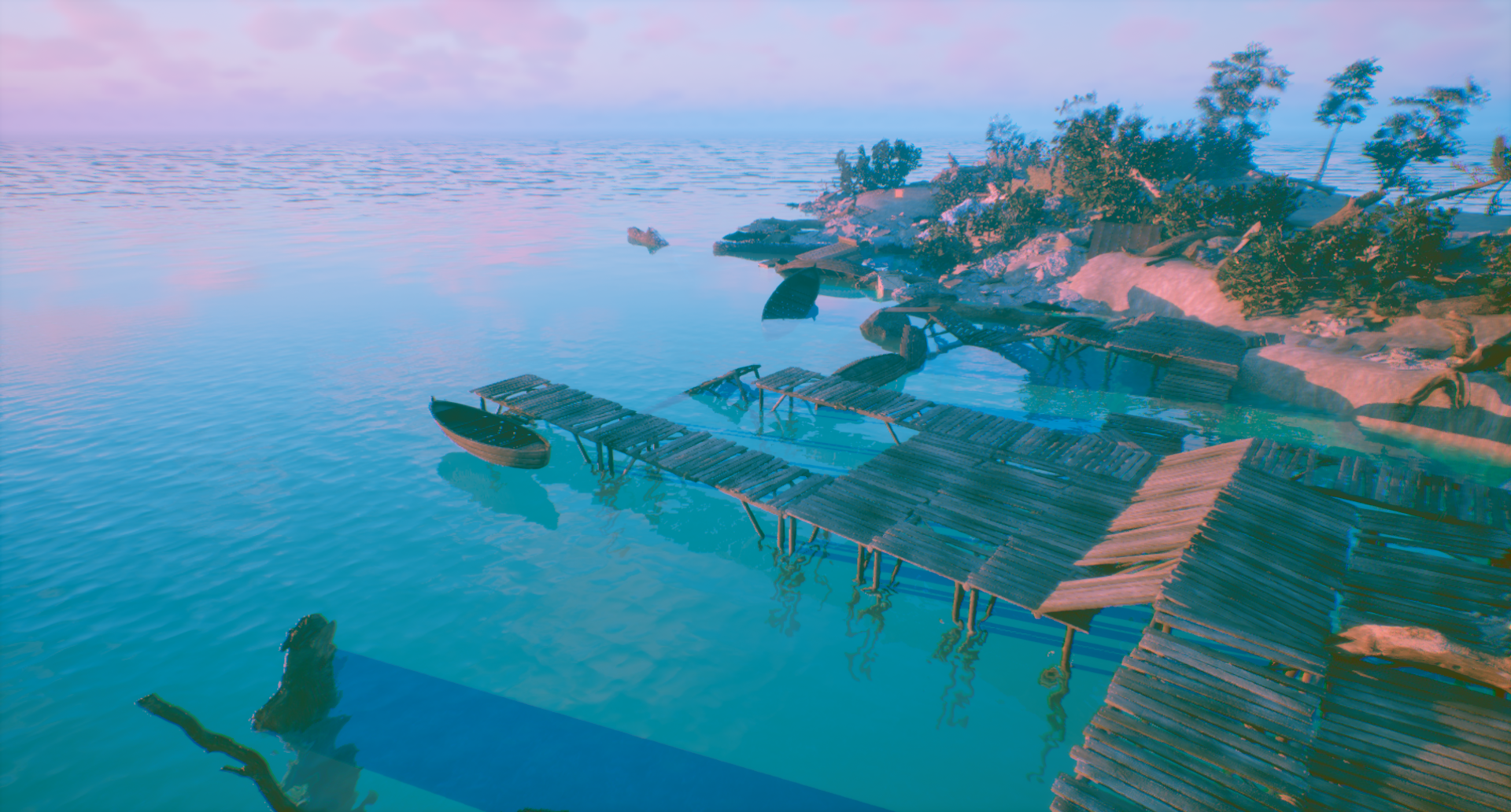
Village Scene – Early Version Post Process test 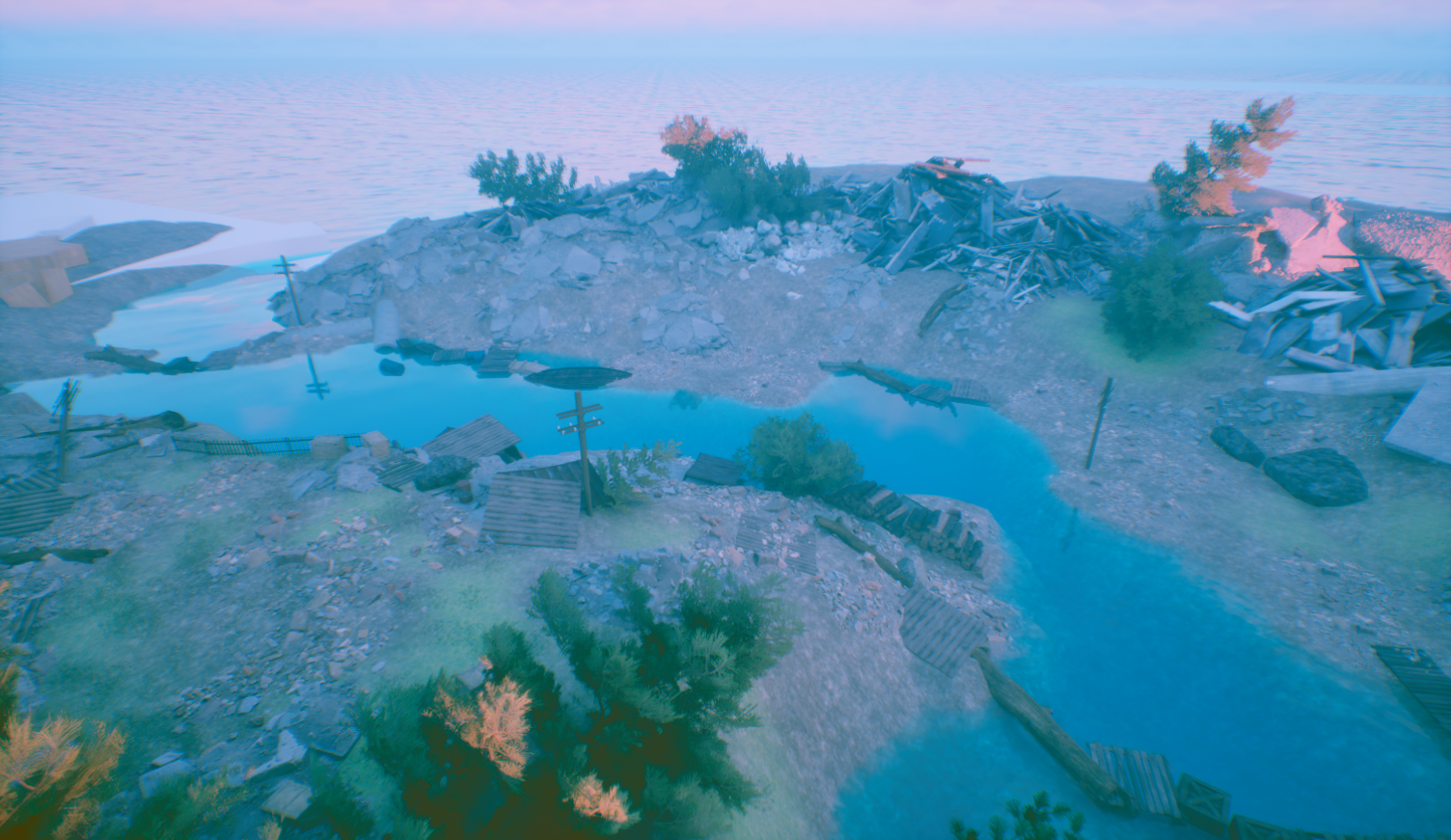
Village Scene – Early Version 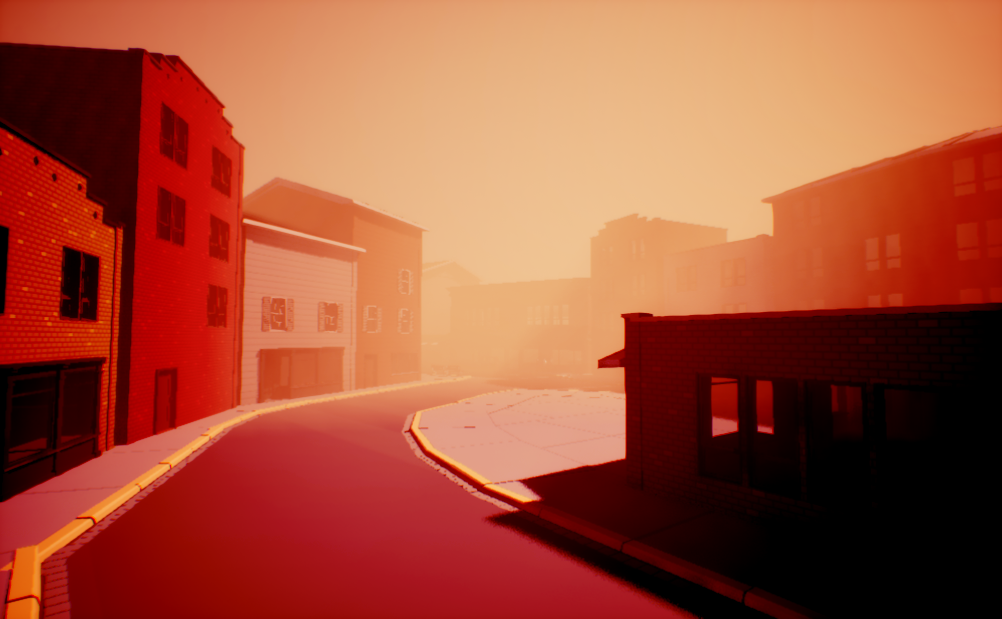
City Bank Scene – Whitebox version 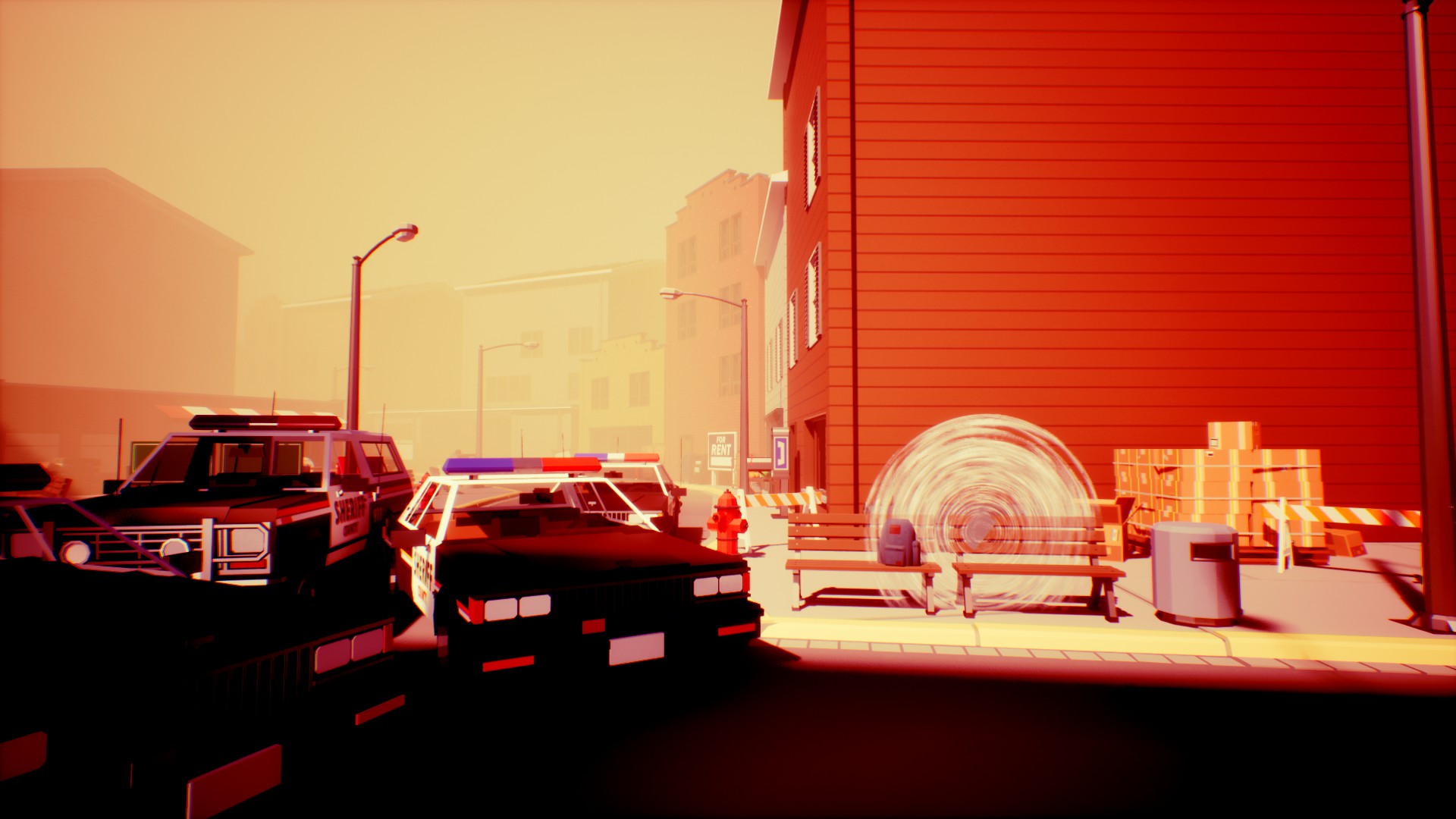
City Bank Scene – Ending Scene 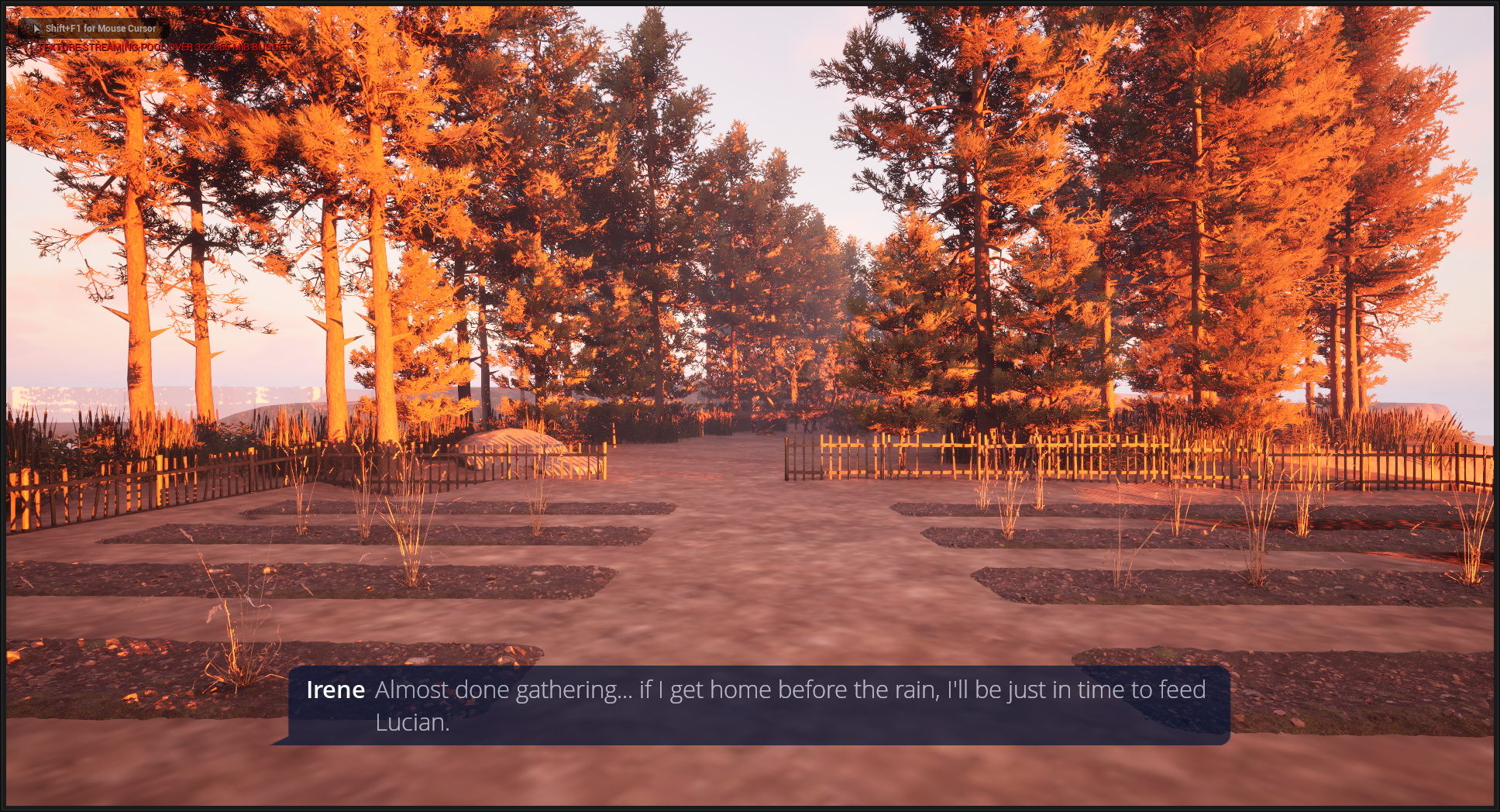
Garden Scene – Whitebox Version
Postmortem
(in progress)
What Went Well?
- Narrative-Theme centered design philosophy. Whenever we weren’t sure what to do next, we asked ourselves: Does this fit the theme? Does this help express what we want the player to feel?
What Went Wrong?
What I Learned?
Play The Game DEMO
Visit our steam page to play!
 Yuning "Anona" Yang
Leave a comment